
Table of Contents
High Court tightens its grip on detention, directs Udhayanidhi Stalin’s release today
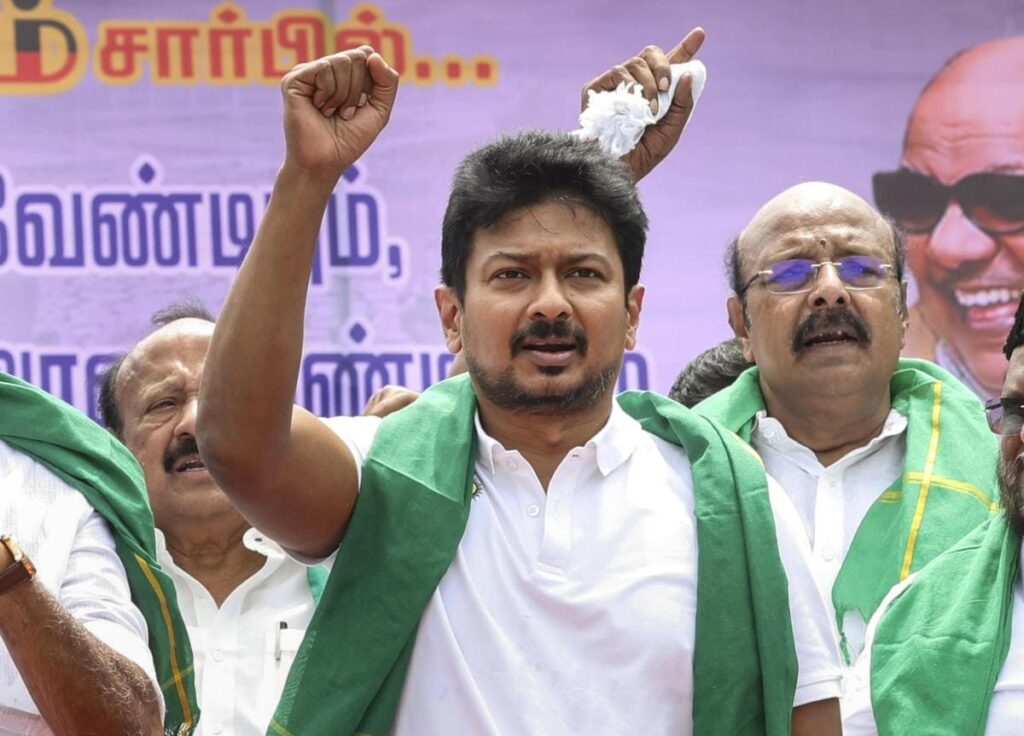
Amidst the ongoing controversy surrounding DMK leader and Leader of the Opposition in the Tamil Nadu Assembly, Udhayanidhi Stalin, the Madras High Court has ordered his release. During the hearing, the court made it clear that he should be released today itself. After this order, the entire matter has taken a new legal and political turn.
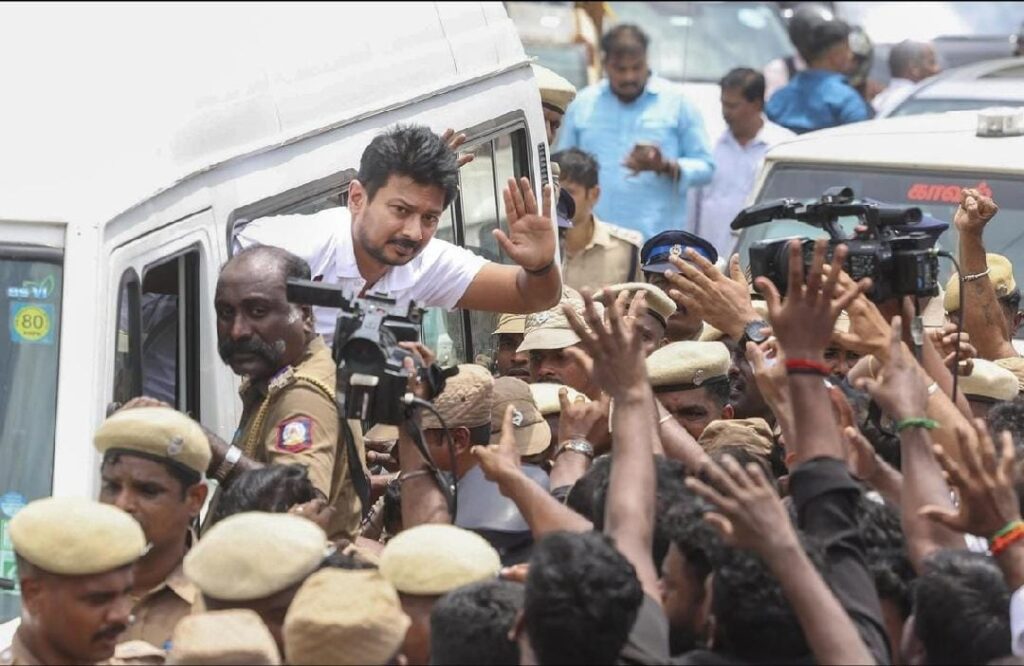
During the hearing, Advocate General Vijay Narayan, representing the state government, told the court that Udhayanidhi Stalin was taken to Thanjavur only for questioning. He said the police had no intention of sending him to judicial custody.
On the other hand, DMK has termed this entire action as political vendetta. Party leaders allege that police action was resorted to suppress the voice of the opposition. The administration says that the entire process has been done within the ambit of law.
The court’s comments changed the course of events.
During the hearing on Udhayanidhi Stalin’s anticipatory bail plea, the full details of the police action were presented before the court. The government said that the purpose of detention was only interrogation and further legal procedure would be followed as per the law.
After the High Court’s order of release, political rhetoric regarding the case has intensified. The DMK called it a victory of its arguments, while the ruling party said the investigation process would continue independently.
Currently the legal process of the case is going on. Now everyone’s eyes are on what further steps the investigating agencies take and what impact this entire incident has on the politics of Tamil Nadu.
What happened in the High Court hearing?
The case took a significant turn during the hearing of Udhayanidhi Stalin’s anticipatory bail plea in the Madras High Court. During the hearing, Advocate General Vijay Narayan, appearing for the state government, told the court that Udhayanidhi Stalin has been taken to Thanjavur only for the purpose of questioning. He also clarified that the police are not planning to send him to judicial custody.
The court considered the case after hearing the arguments of both the parties. After this, the High Court directed the release of Udhayanidhi Stalin on the same day. After the court order, new discussions started regarding police action and legal process.
Legal experts believe that the investigation into the case may continue even after the court order. However, further action will be decided entirely based on the facts gathered by the investigating agencies and the provisions of law.
Why did the DMK call the action political revenge?
After Udhayanidhi Stalin was taken for questioning by the police, the DMK reacted strongly to this action. Party leaders alleged that this entire action was taken out of political vendetta. He says that government agencies are being used to target opposition leaders.
DMK leaders claimed that the party has been putting forth its views democratically and such action was an attempt to influence the political atmosphere. He said that the law should be equal for all and fairness is most important in any action.
However, the state government said that the police have followed their procedure as per the law and the investigation is being conducted not under any political pressure but on the basis of the complaint and available facts.
What will be the legal process next?
Even after getting relief from the High Court, the matter is not considered to be completely closed. If the investigating agencies feel the need, they can conduct further investigation as per the law. The further course of action will be decided based on the evidence and statements collected during the investigation.
Legal experts say that in any criminal case, the court’s interim order and final judgment are different stages. Therefore, the next direction of the case will be clear only after the investigation is completed and the reports of the concerned agencies are received.
At present, the entire incident is being closely monitored by the political and legal circles of Tamil Nadu. Now it remains to be seen what further steps the investigating agencies take and what further legal developments emerge in the case.