
Why is gut health considered more important than your digestion?
Often people think that if the stomach is fine then the body will also be fine. But experts believe that good gut health is not limited to just digestion. It can also affect immunity, mood, energy and overall health.
There are millions of bacteria present in our stomach, which are called gut microbiome. Some of these may be good and some may be harmful. When their balance is disturbed, gas, bloating, constipation and digestion issues can increase.
Many people think that expensive supplements are necessary to improve gut health. But sometimes even small healthy habits can make a big difference. Eating right, drinking enough water, and reducing stress can make your body feel better.
Experts believe that healthy changes made gradually show greater effects. If you make small improvements every day, many people start to feel better digestion within 2 to 4 weeks. However, each person’s experience may be different.
Which 7 simple habits are considered most effective for improving gut health?
It is not necessary to change your entire lifestyle to achieve good gut health. Sometimes small, consistent changes prove to be easier and more effective in the long run. The methods mentioned below can help in gradually improving digestion.
- Include fiber-rich foods in your diet.
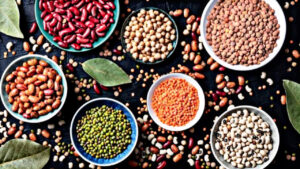
Fiber is essential for good gut health. Fruits, vegetables, pulses, oats and whole grains can help support digestion. This can make the stomach feel light for a long time.
Some people may experience discomfort if too much fibre is suddenly added to their diet. Therefore, it is considered better to make changes gradually so that the body can adjust easily. - Start eating foods containing probiotics daily.
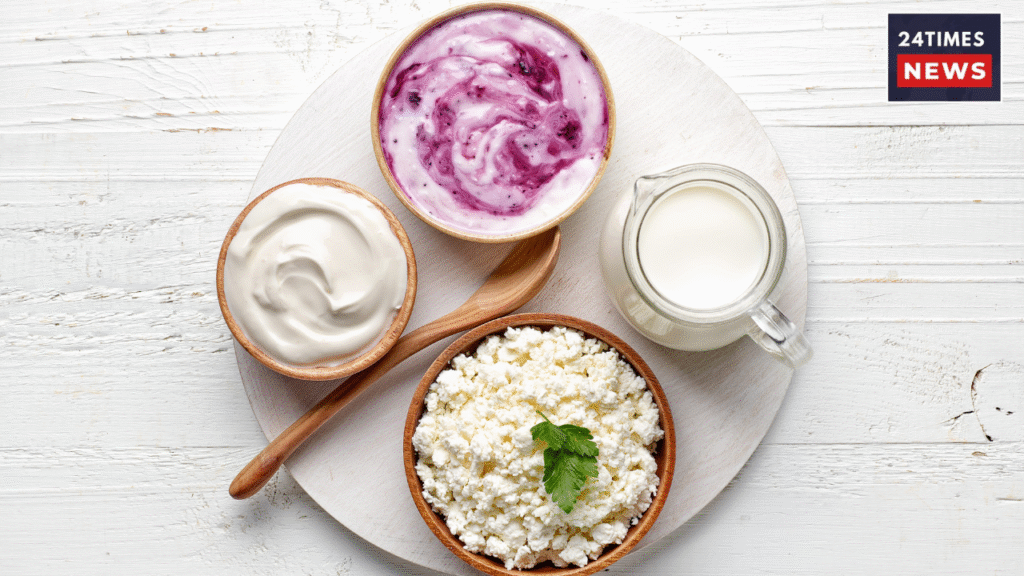
Yogurt, buttermilk, and fermented foods are considered good sources of probiotics. These can help support good bacteria, which are considered essential for gut health.
Adding just one probiotic food to your diet daily can be an easy start. Small steps are often more practical than making a lot of changes all at once. - Don’t ignore prebiotics
Many people know about probiotics, but forget about prebiotics. To put it simply, prebiotics act as food for good bacteria.
Bananas, garlic, onions, oats and some fruits are considered prebiotic foods. Gradually including these in the diet can be helpful for gut health. - Hydration, meaning adequate water, is crucial.
Sometimes, poor digestion can be simply due to insufficient water intake. Adequate water supports digestion and can help keep the body hydrated.
If drinking more water suddenly seems difficult, take small steps. For example, drinking a little extra water after every meal or keeping a bottle with you can be helpful. - Start taking proper sleep seriously.
A poor sleep routine can affect not only your mood but also your gut health. Staying up late at night and getting less sleep can make your digestion feel weak.
The habit of maintaining a fixed sleep timing every day can improve the natural balance of the body. Many people feel better simply by improving their sleep routine. - Stress management is equally important.
The effects of stress are often first visible in the stomach. Many people experience acidity, stomach pain or digestive issues when stressed, which can cause problems in the long run.
A light walk, breathing exercises, meditation, or just relaxing for a while can help reduce stress. Small habits can gradually make a big difference. - Small changes can be most effective.
If you change your entire lifestyle all at once, it may be difficult to follow it long-term. Therefore, making changes gradually is considered an easy and realistic way.
Like adding one fermented food every day, drinking a little more water or reducing processed food. These small changes can make a difference in gut health over time.
Why is Gut Health considered far more important than just your digestion?
People often assume that if their stomach is fine, their entire body will be fine as well. However, experts believe that good gut health is not limited merely to digestion. It can also have a significant impact on immunity, mood, energy levels, and overall health.
Our gut is home to billions of bacteria, collectively known as the gut microbiome. Among these, some are beneficial, while others can be harmful. When the balance between these bacteria is disrupted, issues such as gas, bloating, constipation, and other digestive problems may arise.
Many people believe that expensive supplements are essential for improving gut health. However, small, healthy habits can often make a substantial difference. Eating the right foods, staying adequately hydrated, and reducing stress can go a long way in making your body feel better.
Experts suggest that healthy lifestyle changes tend to yield the most effective results when introduced gradually. If you make small improvements on a daily basis, many people begin to notice improved digestion within just 2 to 4 weeks. However, each person’s experience may be different.