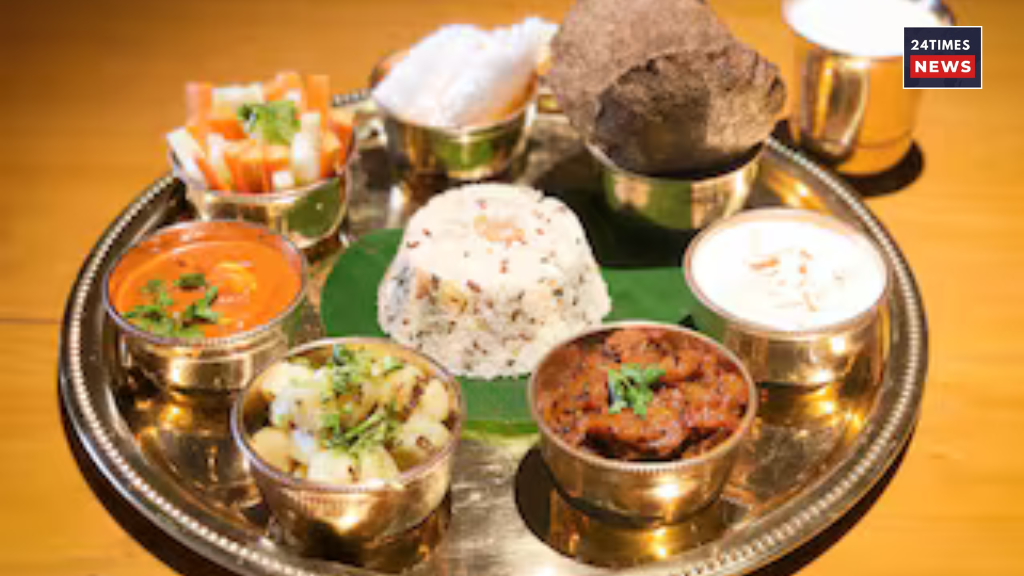
Fasting Benefits
During the nine-day holiday of Navratri, which honors the nine manifestations of Goddess Durga, people fast and offer prayers for happiness, peace, and prosperity. Many people eat greasy, sugary, or starchy items when fasting, even though it can help with detoxification, weight loss, and digestive relaxation if properly organized. Many people overindulge in fried or sugary meals during Navratri in the name of fasting, which weighs them down and negates the health benefits. When done correctly, fasting promotes detoxification, rests the digestive tract, helps control insulin, and keeps you feeling light. However, excessive amounts of sugar or oil can inhibit digestion, increase blood sugar, produce acidity, and even trigger weight gain in as little as nine days. For this reason, it’s crucial to adhere to a low-calorie , It not only preserves energy and weight but also functions like intermittent fasting, which experts globally advocate for improved health. If done properly, Navratri fasting becomes a blessing for both body and mind.
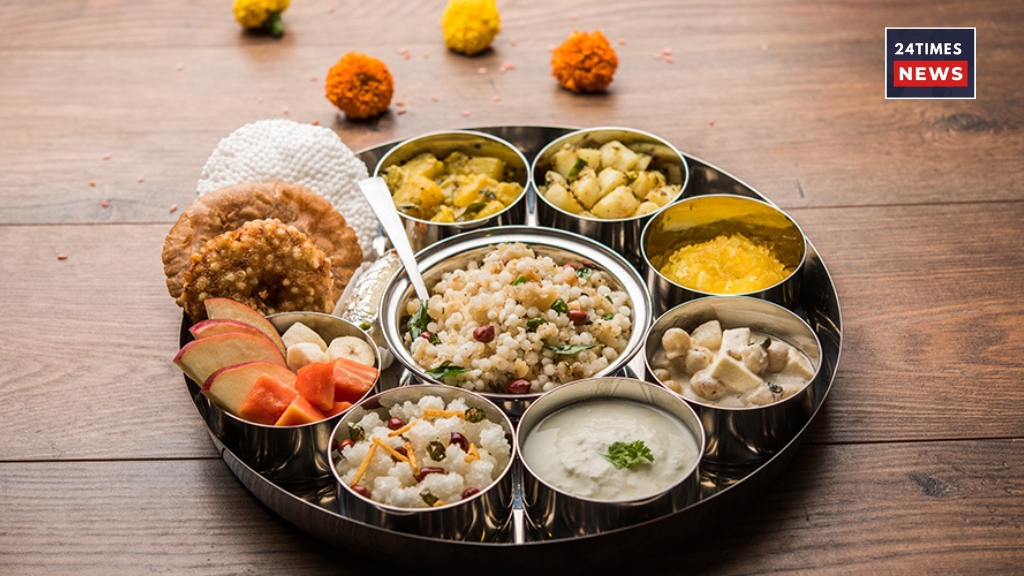
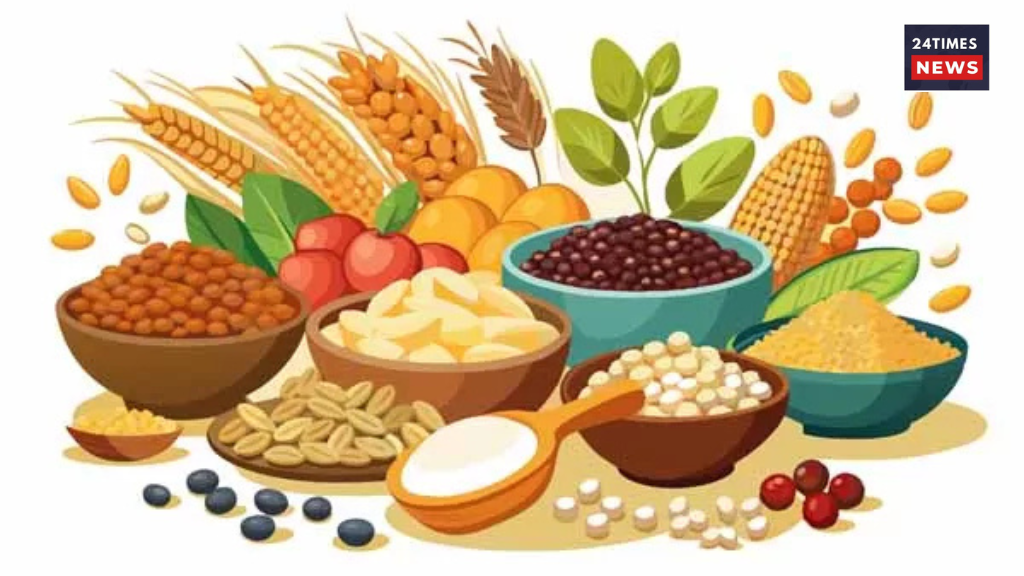
Pure, light, and natural, satitvic diet is said to support mental and physical health. Onion, garlic, non-vegetarian foods, and processed goods are avoided during Navratri because they can cause heavy digestion. In contrast, fruits, nuts, and grains like kuttu, rajgira, and barnyard millet are free of gluten, high in protein, and nutrient-dense, providing long-lasting energy without being overly calorically dense. Additionally, a sattvic diet cleanses the body, increases metabolism, and maintains a calm and optimistic mindset, acting as a natural detox.
Healthy carbohydrates, protein, fiber, and good fats should all be included in a fasting thali to keep it low in calories and fat. For energy, try barnyard millet rice, buckwheat roti, or amaranth porridge; for protein, try low-fat paneer, yogurt, or nuts; for vegetables, try bottle gourd, pumpkin, cucumber, and tomato; and for seasonal fruits, try papaya, apple, banana, or pomegranate.
The meal is healthy, light, and nourishing because it uses little ghee or cold-pressed oil to promote satisfaction while limiting fat intake. Additionally, resistant starch from millets helps prevent fat buildup.
Avoid fried foods such as sabudana papad, potato chips, and buckwheat fritters. They’re calorie-dense. Steer clear of desserts that are too sweet, such as creamy desserts or makhana kheer with too much sugar. Avoid using too much rock salt as this might lead to edema and increased water retention. Potatoes are high in starch and calories, so limit your intake. Steer clear of outdoor or packaged food since it may include hidden salt or sugar.
When cooked using healthy options, a Navratri thali can be both light and filling. One kuttu or rajgira roti with little ghee, a bowl of pumpkin or bottle gourd curry, cucumber-tomato salad, and low-fat curd topped with roasted peanuts can all be found in a low-calorie thali that has between 450 and 500 calories. The meal is finished with a glass of buttermilk and seasonal fruits like apples or papayas. While maintaining its protein, fiber, and vitamin balance, substitutes like lightly spicy sabudana khichdi can also bring variation.
During fasting, cooking techniques have a significant impact. Instead of deep-frying, try air-frying, roasting, baking, or steaming. For instance, air-fry sabudana tikki with a little oil or bake kuttu cheela. Buttermilk can be used in place of cream in curries to reduce fat content without sacrificing flavor.
Staying hydrated is similarly vital—drink water, coconut water, or lemon water to reduce weariness. Such long-term fasting practices promote immunity, weight control, improved digestion, and portion control.