Table of Contents
Dogecoin’s Place in the Crypto World
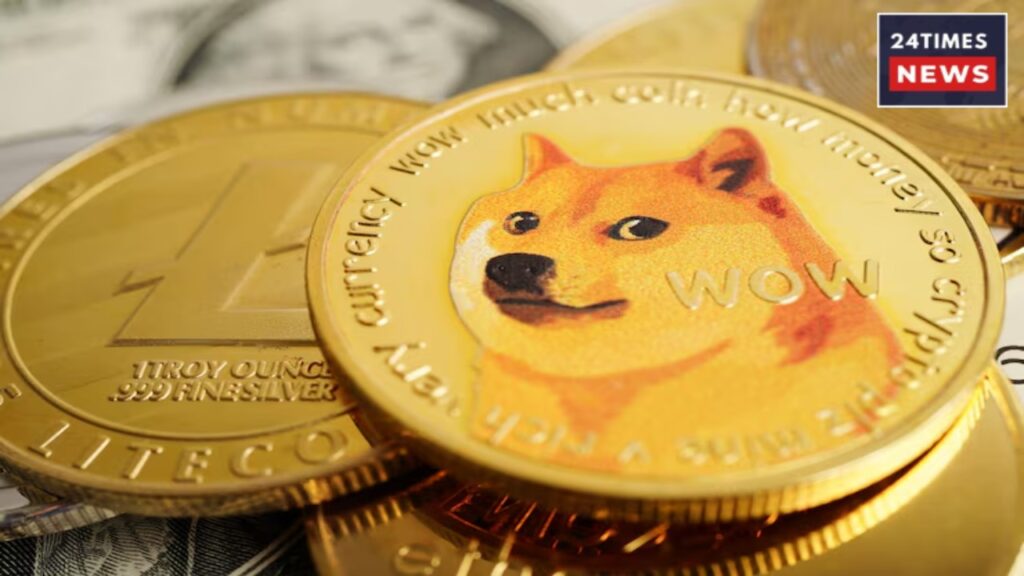
On August 6, 2026, the crypto market is going through some tough times global liquidity is tight and people are more careful about where they put their money. Dogecoin, which started back in 2013 as a silly internet joke, is still hanging on as one of the top digital coins. It’s a sort of mirror for retail investors and meme fans, showing us just how much appetite there is for risk in the market.
Dogecoin’s Market Snapshot
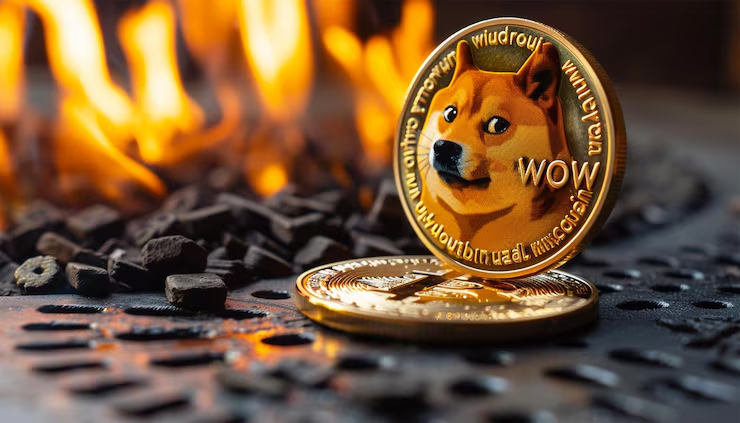
Here’s where things stand for Dogecoin:
- Spot Price: About $0.07 USD (₹6.63 INR)
- Market Cap: Between $10.8 billion and $11 billion USD
- Circulating Supply: 155.3 billion DOGE
- 52-Week Range: It hit a low near $0.07 recently, down from a high of $0.30
- Crypto Market Context: Total market value for all crypto is about $2.15–$2.19 trillion USD, with Bitcoin sitting near $63,000 and Ethereum around $1,850
- Market Sentiment: The Crypto Fear & Greed Index is at 35 traders are cautious as central banks and big investors keep a close eye on the market
Technical Analysis: Price Action
$0.07 Support Under Watch
Dogecoin is stuck at a big support level around $0.07. If it holds, there’s a chance the price could recover slowly toward $0.085 or even $0.10. If the price slips below $0.068, things might get ugly, and we could see DOGE dropping to $0.055 like in past bear markets.

From Meme Mania to Reality
Dogecoin’s wild ride in 2021 when it reached $0.737 and a $90 billion market cap feels like a distant memory. Since then, it’s dropped more than 90%. Unlike regular stocks or coins with strong business models, meme tokens don’t have steady cash flows or earnings, so they often plunge when the hype and trading dry up.
Comparing Dogecoin to Other Assets
Bitcoin has stayed steady near $63,000 thanks to ETF funds and some big corporations, but meme coins like Dogecoin have been pretty volatile. Over the past week, DOGE hasn’t moved much differently than other altcoins, mostly following the general market trend.
Dogecoin Tokenomics
Dogecoin’s Supply Model
Dogecoin runs on proof-of-work (Scrypt) and miners always get 10,000 DOGE per block. Each year, that adds up to 5 billion new coins. Since the total supply keeps growing, the inflation rate slowly drops. Right now, the new coins represent a 3.2% dilution. By 2036, that should fall to around 2.4%.
What This Means for Value
Since there’s no cap and no burning, Dogecoin needs new buyers every year just to keep the price from falling. At $0.07 per coin, about $350 million needs to come in to soak up all the new DOGE. If demand falls, the extra supply becomes a problem.

Merchant Adoption: Real-World Use
Where Do People Actually Use DOGE?
Globally, between 2,300 and 2,500 merchants take Dogecoin, either directly or through payment services like BitPay. Popular areas include:
- Digital Tips: Reddit and X (formerly Twitter) users like DOGE for fast, cheap micro-transfers
- Merchandise: AMC Theatres, the Dallas Mavericks, and even some Tesla stores take it for product purchases
- International Money Transfers: DOGE’s tiny fees help with cross-border payments, though stablecoins are still the main choice for big business
Limits Compared to Smart Contracts
Dogecoin is built for simple peer-to-peer transactions. It doesn’t have DeFi, NFTs, or advanced contracts like Ethereum or Solana. That makes it less flexible for investors who want more than just moving coins.
Wider Macroeconomic Context
What’s Happening in the Broader Market?
Crypto’s mood is shaped by central banks especially the U.S. Federal Reserve, which is keeping rates high. That drains liquidity from markets and keeps riskier assets out of favor. Most big funds are sticking to Bitcoin and Ethereum, while meme coins rely mostly on hype and online communities.
Dogecoin’s Social and Cultural Impact
Why Does DOGE Stay Popular?
Dogecoin has managed to stay in the top 10–15 coins thanks to a lively fan base and strong branding. It’s instantly recognizable because of the Shiba Inu meme and has had a boost from celebrities like Elon Musk. Community-driven charity projects (like the Jamaican Bobsled team and clean water causes) keep the spirit alive and set DOGE apart from other tokens.
Comparing Dogecoin, Bitcoin, and Ethereum
Here’s a quick rundown:
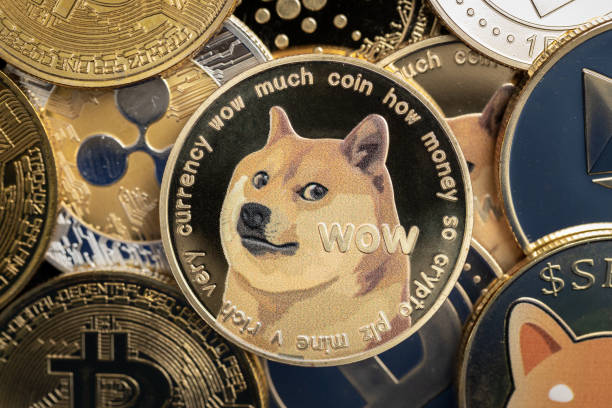
- Dogecoin: Peer-to-peer coin and meme token; unlimited supply (adds 5 billion every year); one-minute block times; tiny fees; not much institutional action
- Bitcoin: Store of value; hard cap of 21 million; ten-minute block times; higher fees; lots of institutional involvement
- Ethereum: Utility platform for smart contracts; dynamic supply; twelve-second block times; variable fees; lots of DeFi and NFT use
Dogecoin Outlook for 2026 and Beyond
What Could Shape Dogecoin’s Future?
- Defending the $0.07 mark is crucial to avoid deeper price dips; breaking above $0.10 could spark a bullish run.
- More merchants accepting DOGE would help soak up the new coins.
- Meme coin rallies usually happen when global liquidity is flowing, rates are low, and retail trading is strong. Changes in central bank policies will matter.
- Developers are working on Layer-2 solutions and cross-chain options, which might boost DOGE’s real-world utility.
Disclaimer
This article is for information and news only not financial advice. Crypto assets like Dogecoin are highly volatile and risky, especially since DOGE keeps inflating by 5 billion tokens every year. Always do your own research and talk to a real financial expert before investing. Only use money you can afford to lose.