Table of Contents
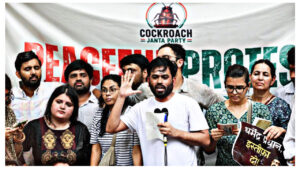
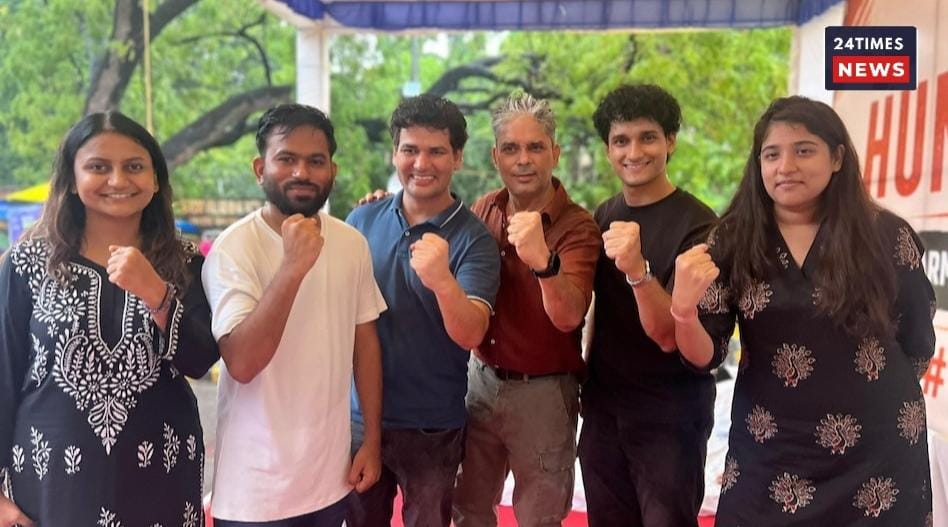
The Cockroach Janata Party has entered a new phase of its movement with the announcement of a march to Parliament.
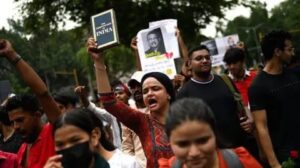
The protests at Jantar Mantar in Delhi, which have been ongoing for the past several days, have now reached a new turning point. The Cockroach Janata Party (CJP) has announced a “Parliament March” on July 20. The organization says that if no concrete action is taken on their demands, they will make their voices heard in Parliament through democratic means. With this declaration the movement has acquired a new political and social dimension.
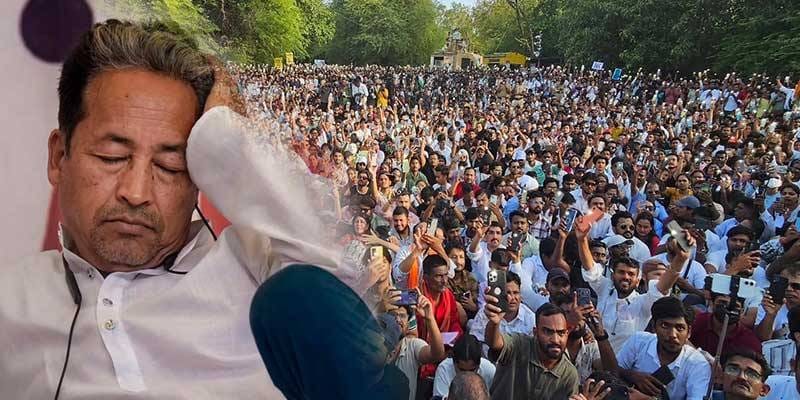
Meanwhile, social activist Sonam Wangchuk has also appealed to the supporters of the movement and the general public to put forward their views in a peaceful and disciplined manner. He said that the biggest strength of any mass movement is its non-violence, discipline and commitment to democratic values. His message has come at a time when discussions about the movement have intensified across the country.
The Cockroach Janata Party claims that its movement is not just against any one decision or person, but to demand accountability and reforms in the system. The organization says that the purpose of the Parliament March is to convey the voice of the people to the democratic institutions. At the same time, preparations have also started by the administration to maintain security and law and order.
Political analysts believe that declaring a Parliament march is considered an important phase for any movement. This helps the message of the movement reach more people nationally, but it also increases the responsibility to ensure that the protests remain completely peaceful and within the ambit of the law.
All eyes are now on July 20. It will be important to see how many people participate in the Parliament march, what arrangements the administration makes, and what the movement’s leadership’s future strategy will be. What is certain is that this announcement has brought the movement to the centre of new political and social discussion.
What is the purpose of the Parliament March and what do the protesters want?
Cockroach Janata Party says that the purpose of the Parliament March is not to create conflict, but to convey its demands to the Parliament and the Central Government in a democratic manner. The organisation claims that despite peaceful protests at Jantar Mantar for the past several days, there has been no concrete progress on their key demands. In such a situation, the Parliament March is being seen as the next phase of the movement.
The protesters want clear answers from the government on issues related to the education system, accountability and policy making. He says that in a democracy, citizens have the right to express their views peacefully and the Parliament march is a part of that right.
However, the priority of the administration is to maintain law and order. Delhi Police and other agencies are making preparations regarding security arrangements so that there is no situation of any kind of chaos. Experts believe that coordination between the protesters and the administration is very important in such big demonstrations.
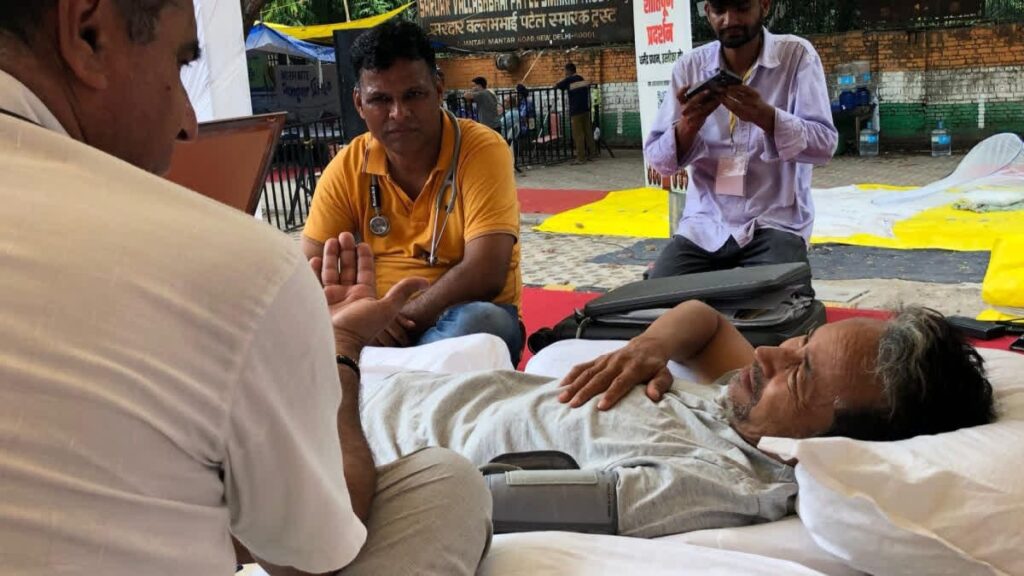
What is the significance of Sonam Wangchuk’s appeal?
Sonam Wangchuk has appealed to the supporters of the movement to maintain restraint, discipline and non-violence. He said that the strength of any democratic movement lies in its peaceful nature. He believes that if the demonstration is carried out within the limits of the Constitution and the law, then both its credibility and impact increase.
His appeal is being considered important for the movement as he has been active on issues of public concern for a long time. Political analysts say that in any mass movement, the language and appeal of the leadership plays an important role in deciding the direction of the movement.
Now it remains to be seen how the agitators will pursue their strategy during the Parliament March and how they will put forward their demands by coordinating with the administration.
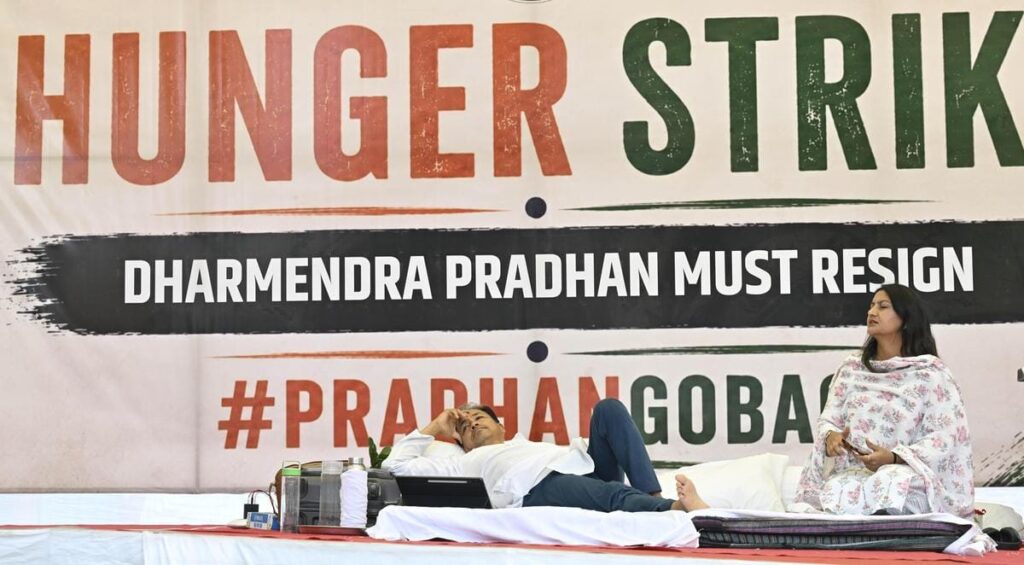
Will the Parliament March give a new identity to the movement at the national level?
This movement, which started from Jantar Mantar, has now become a topic of national political discussion with the announcement of Parliament March. For any mass movement, marching towards Parliament is not just a symbolic step, but it is considered an attempt to convey one’s views directly to the government and policy makers. This is why the proposed march on July 20 has now become important in the eyes of political parties, social organizations and common citizens.
Political analysts believe that if the movement remains completely peaceful and organised, it may succeed in putting forward its issues on a wider scale. At the same time, if any kind of chaos or conflict situation arises, then the basic objective of the movement may be left behind. Therefore the leadership is continuously emphasizing on discipline and constitutional methods.
This incident has also shown that protests are still an important means of creating public opinion in a democratic system. However, the success of any movement ultimately depends on how clearly and effectively it is able to present its issues before the society and the government.
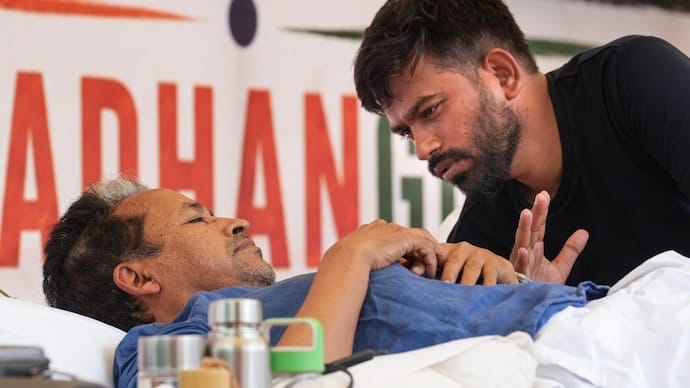
What’s next? A major challenge for both the government and the movement.
The Parliament march on July 20th is being seen not just as a demonstration, but as the next test for the movement. On one hand, the protesters want the government to seriously consider their demands, while on the other hand, it is the responsibility of the administration to maintain law and order and also respect the democratic rights of the citizens.
Sonam Wangchuk‘s appeal for peaceful protests has tried to give a positive direction to the movement. This has sent the message that the aim of the movement is not conflict, but to put forward one’s views through dialogue and democratic means.
In the coming days, it will become clear how much participation there is in the Parliament March, what the government’s response will be, and whether any initiative is taken on the main demands of the movement. At present, the announcement of the Parliament March has certainly given new energy and new identity to this movement at the national level. Now everyone’s eyes are fixed on the events of July 20 and its political and social impact.