
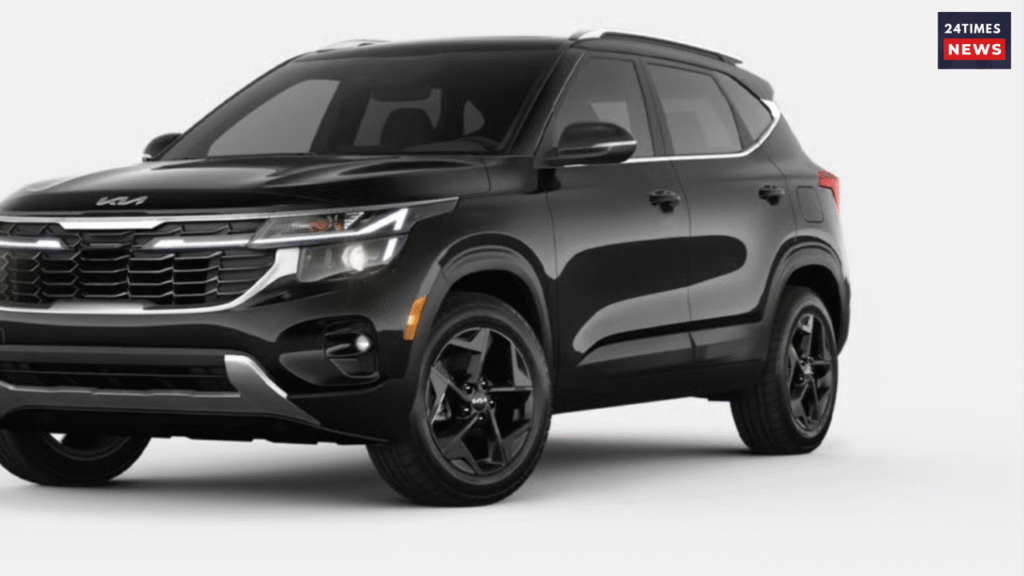
Kia India has announced a price increase of up to 2% on selected models from July 1, 2026, due to rising input and operational costs. The company said it has absorbed a significant portion of the increased expenses to keep the price hike as low as possible. The revision will affect several popular Kia vehicles, including the Sonet compact SUV, Seltos midsize SUV, Carnival MPV, and the stylish Carens Clavis. Premium electric models such as the EV6 and EV9 will also become more expensive. Customers planning to buy a Kia vehicle may benefit from booking their car before July 1 to avoid the upcoming price increase.
Reason Behind Rising Costs
Kia India has explained that the planned price increase from July 2026 is primarily driven by rising global input costs and higher operational expenses. The company said that increasing prices of raw materials, logistics, and production-related activities have put pressure on overall manufacturing costs. After carefully reviewing current market conditions and the growing cost of vehicle production, Kia decided to revise prices across selected models. However, the automaker has emphasized that maintaining high product quality, advanced features, and a strong ownership experience for customers remains one of its key priorities. Kia also noted that it has absorbed a significant portion of the additional costs internally to reduce the impact on buyers. By limiting the extent of the price hike, the company aims to continue offering competitive and value-for-money vehicles. This balanced approach reflects Kia’s commitment to delivering reliable products, quality service, and long-term customer satisfaction despite challenging market conditions.
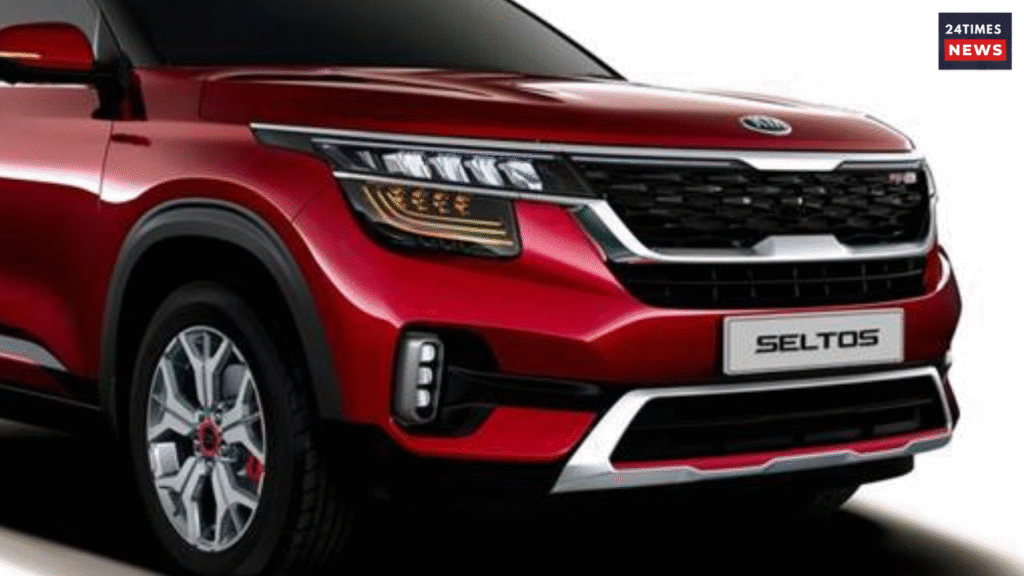
Kia aims to maintain the affordability
According to Kia India, the upcoming price revision has been designed carefully and will not be applied uniformly across all models and variants. The company stated that the increase will vary depending on the vehicle, ensuring that every model continues to offer a strong value proposition to customers. This means buyers may see different levels of price adjustments based on the specific car and variant they choose. Kia emphasized that the decision was made after considering market conditions, rising input costs, and increasing operational expenses. To minimize the impact on customers, the automaker has absorbed a significant share of these additional costs instead of passing the entire burden on to buyers. By keeping the price hike as limited as possible, Kia aims to maintain the affordability and competitiveness of its vehicles. The company said this move reflects its ongoing commitment to providing high-quality products, reliable services, and a rewarding ownership experience for customers across its lineup.