
Table of Contents
Major action plan to tackle winter pollution in Delhi
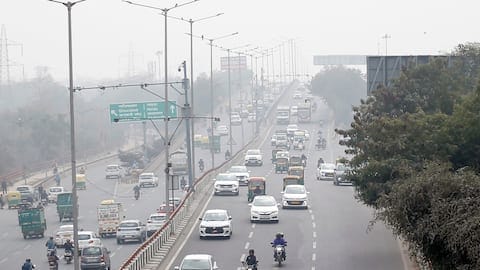
The Delhi government has announced several measures to combat the increasing air pollution during winter. From November 1, 2026, steps like increasing parking fees, allowing 50 percent of employees in offices to work from home and banning the movement of polluting vehicles will come into effect.
This Winter Pollution Action Plan of the government focuses on preparing in advance rather than waiting for pollution to increase. Under this, action will be taken at different levels to reduce traffic, construction dust and vehicle emissions.
Along with these measures, office timings in Delhi will also be changed. The objective of the system of having 50 percent employees present at a time in government and private institutions is to reduce the pressure of vehicles on the roads during peak hours.
Parking fees will increase starting November 1st.
Parking fees will be doubled at authorized parking lots in Delhi starting November 1st. However, parking lots operated by the Delhi Metro Rail Corporation (DMRC) will remain exempt from this provision.
The government believes that making parking expensive can discourage the use of private vehicles. With this, people will be encouraged to adopt options like public transport, carpooling and ride-sharing.
The increase in parking charges is part of a seasonal arrangement that will remain in effect until February 28, 2027. This means that this measure will be in effect not just for a few days, but throughout the major winter season.
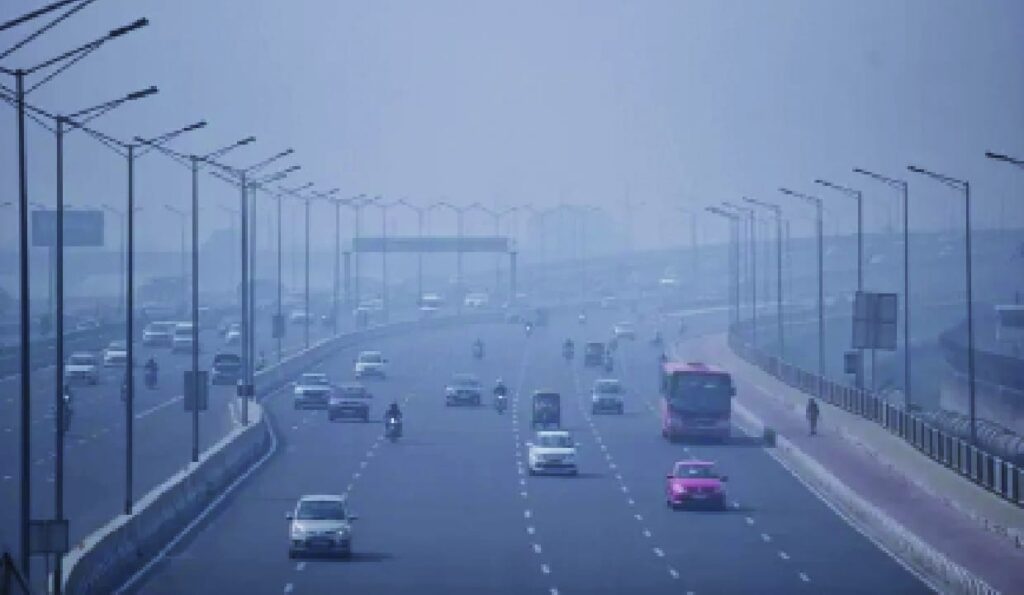
50% WFH in government and private offices
The Delhi government and private institutions will have to limit employee attendance to 50% in the office. The remaining 50% will work from home. Essential services have been exempted from this arrangement.
Office timings have also been changed. MCD offices will operate from 8:30 am to 5 pm and Delhi government offices will operate from 10 am to 6:30 pm.
Private companies have also been asked to promote carpooling, ride-sharing and the use of public transport. Its aim is to reduce the number of vehicles on the roads and traffic emissions during office commuting.
Entry of old vehicles from outside Delhi banned from November 1
From November 1, entry and movement of petrol and diesel vehicles registered outside Delhi that do not meet BS-VI emission standards will be banned. CNG and electric vehicles along with some essential service vehicles have been exempted.
Apart from this, strictness is also being increased regarding valid Pollution Under Control Certificate i.e. PUCC. Starting October 1st, an enforcement drive will be launched against vehicles that do not have a valid pollution certificate.
The government’s plan will also prohibit providing fuel to vehicles without a valid PUCC. This can be monitored through digital systems such as vehicle records and number plate recognition.
Strict restrictions on construction and demolition
To control pollution and dust, open dust-generating construction and demolition work will be prohibited from November 1st to January 31st. Essential public infrastructure projects may receive specific exemptions.
This will be followed by a stricter ban on construction and demolition activities from December 10 to January 20. This period is considered one of the most sensitive phases of winter in terms of pollution.
Technology like Dust Portal, cameras and pollution sensors are being used to monitor large construction sites. There is a plan to link the monitoring of construction sites larger than 500 square meters to this system.
Regular inspections and monitoring of hotspots
Emphasis has also been placed on regular monitoring of pollution and traffic hotspots in Delhi. In these areas, action will be taken on pollution sources such as waste management, construction debris and dust.
The government has identified pollution hotspots and emphasized on monitoring and making arrangements for improvement at the local level. Along with technical monitoring, the concerned agencies will also be given the responsibility of taking action on the spot.
Under the Winter Plan, this arrangement will not be limited to action only after pollution increases. The government aims to maintain regular monitoring and enforcement in pre-identified areas during the winter.
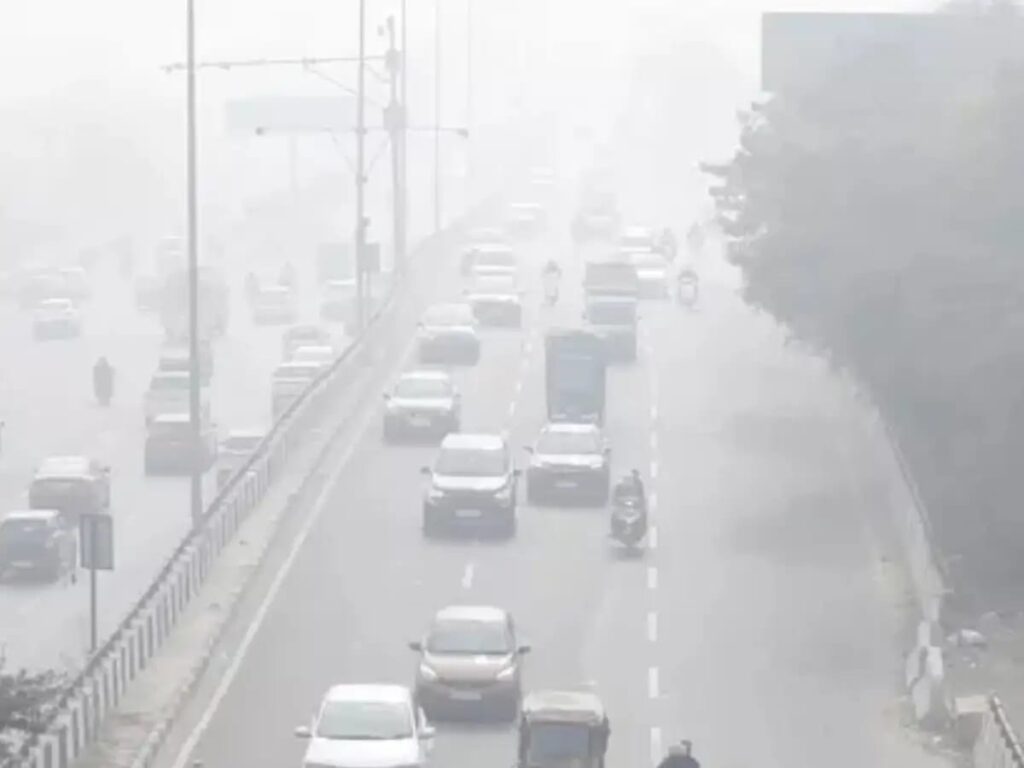
Delhi’s transport and work will change this winter.
Delhi’s new winter pollution plan will directly impact private vehicles, office commuting, and construction activities. Measures such as increased parking fees, 50% WFH, and a ban on non-BS-VI petrol and diesel vehicles will come into effect from November 1.
Also, a moratorium on dust-generating construction work will be in effect from November 1 to January 31, and more stringent construction restrictions will be in place in December and January. Arrangements have also been made to step up monitoring of Pollution Under Control Certificate (PUCC) compliance throughout the year.
This government framework is based on taking pre-emptive action to control pollution during winter. However, its impact will be assessed by how effectively various departments implement these rules on the ground.