Madras High Court Supreme Court Criticism: Why are big questions raised regarding the delay in election matters?
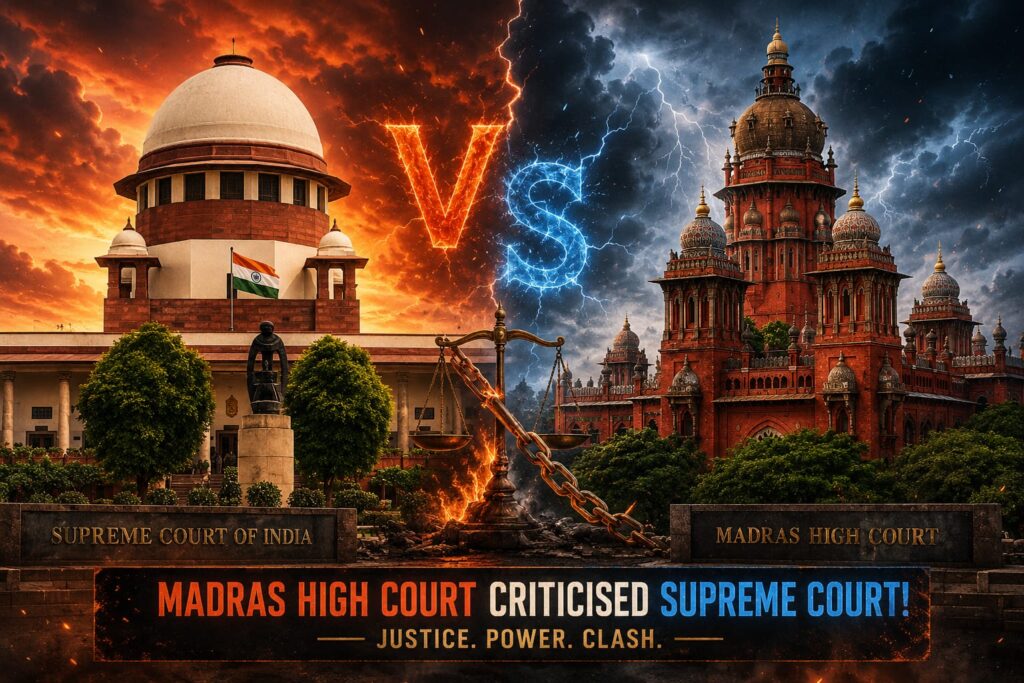
A recent comment by the Madras High Court has sparked a new debate on the justice system and the handling of electoral matters. Expressing concern over the long pendency of election disputes, the court said that if the courts do not seriously implement their own observations and directions, it could impact the democratic system. After this comment, the discussion on the speed and seriousness of the judicial process has intensified.
Actually, the matter is related to the early resolution of election related disputes. Many times in the past, the courts have said that election matters should be resolved quickly on priority basis, because they have a direct impact on the democratic system. But when cases remain pending for years, it not only raises questions about the judicial process but can also raise concerns about electoral fairness.
The remarks made by Justice G. Jayachandran during his remarks are particularly in the news. Expressing concern, he said that if the courts continue to ignore their own observations, there could be a danger of weakening the democratic structure of the country. Many people are also seeing this comment as a serious warning, because it raises questions about both judicial accountability and the role of institutions.
However, this matter is not considered to be limited to just one court’s comment. Many legal experts say the need for timely resolution of electoral disputes is more pressing than ever, especially since elections are considered the most important process in democracy and disputes related to them can have long lasting consequences.
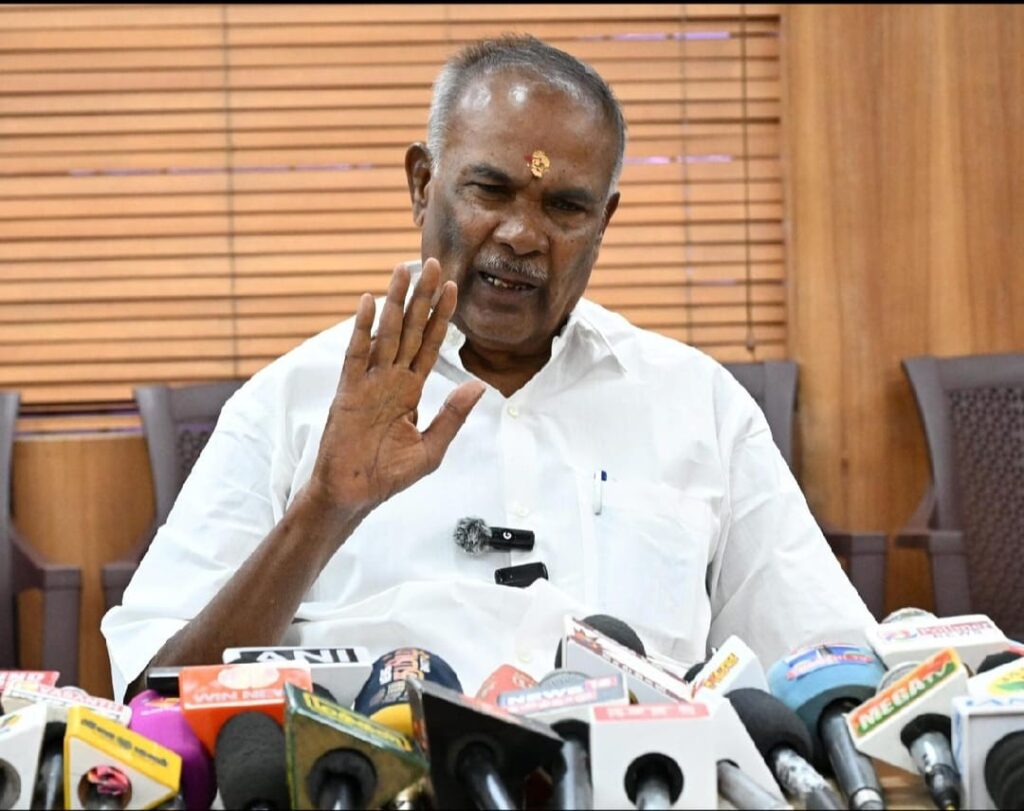
Why did the court’s concern increase regarding early disposal of election disputes?
- What did the Madras High Court say?
The Madras High Court expressed concern over the delay in election matters, calling it a serious issue. The court said that if it itself lags in implementing its observations, the credibility of the judicial process may be affected. - Why is early resolution of election disputes considered important?
Election-related matters are directly related to public representation and democracy. If such cases remain pending for a long time, the importance of the decision sometimes diminishes as the election term comes to an end. - Why are Justice G. Jayachandran’s remarks in the news?
Justice G. Jayachandran remarked that if the courts do not seriously implement their own observations, the strength of democratic institutions could be affected. His comment has now become a topic of widespread debate. - Why were the old observations of the Supreme Court mentioned?
The court pointed out that earlier, too, emphasis had been laid on early resolution of electoral disputes. In such a situation, the question arises: when the instructions are already in place, why is there such a delay in resolving the cases? - Is this a big question on the judicial system?
Many legal experts believe that this comment is not limited to just one case, but also raises big questions about the speed and accountability of the judicial process. However, it is also considered important to understand the broader context before drawing final conclusions.
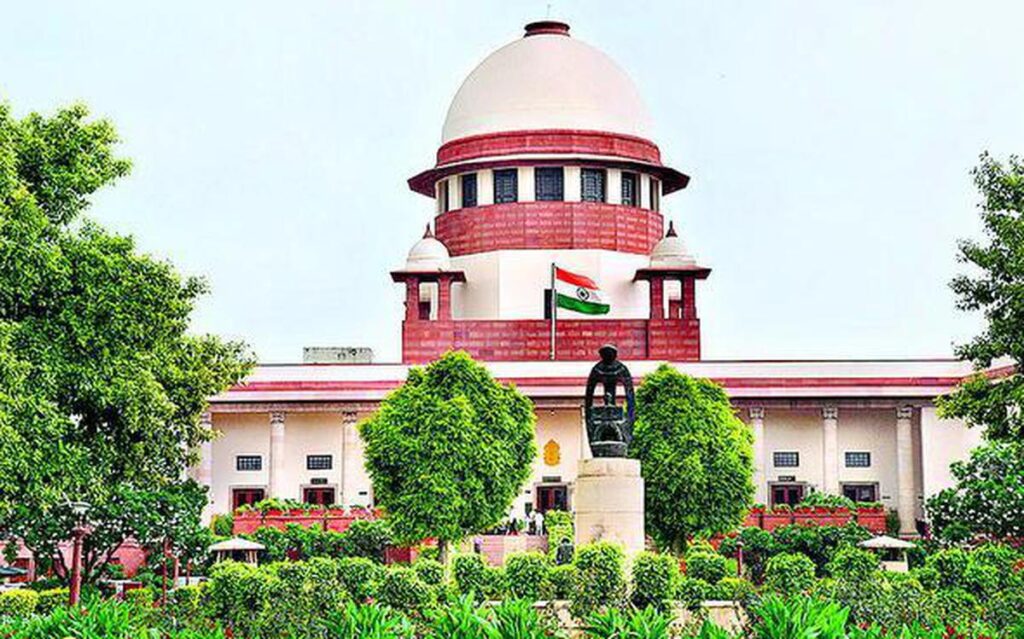
Can the debate on judicial reforms intensify after Madras High Court Supreme Court Criticism?
This comment of the Madras High Court is not being considered only as a debate within the courts, but it is also being linked to the democratic process. Timely resolution of election disputes is considered essential because their impact is not limited to the candidates alone, but can also impact public trust and the democratic process.
If an election case remains pending for many years, sometimes the circumstances may have completely changed by the time the decision is given. In such a situation, the question arises whether justice was delivered on time or not. This is why the need to implement the directions and observations given earlier by the courts has been repeatedly emphasized.
At present, discussions are going on regarding the Madras High Court and Supreme Court criticism. It will be interesting to see in the times to come whether such comments spark a new debate on judicial reforms and the speedy disposal of electoral cases.