Why is the preparation to implement the National Health Mission in West Bengal being considered important?
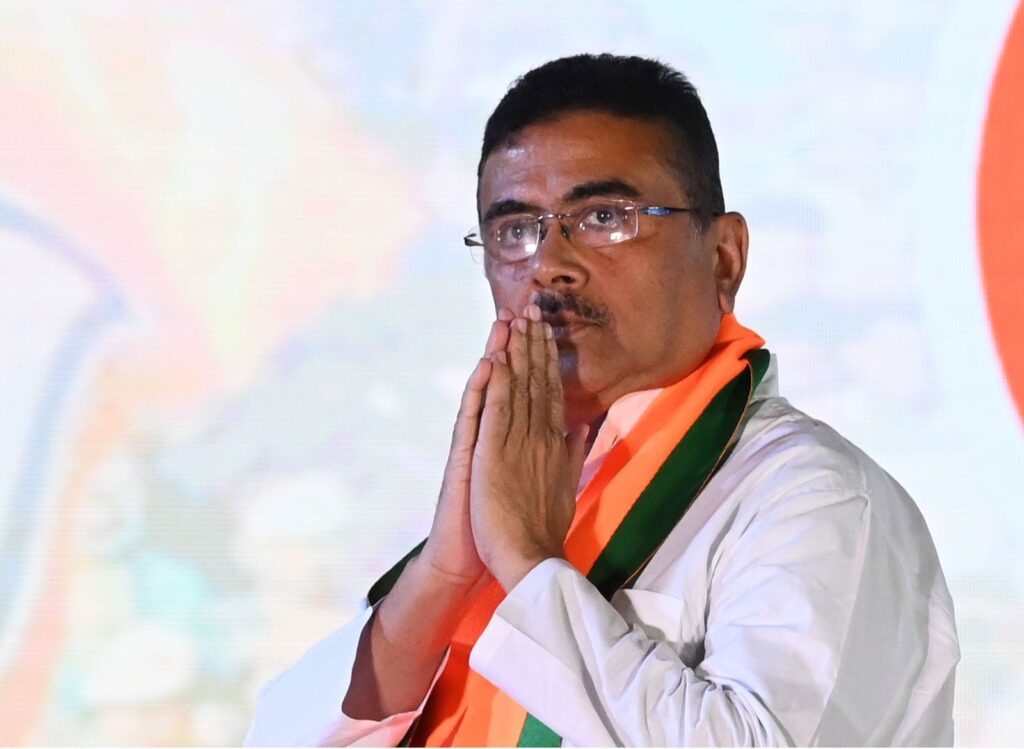
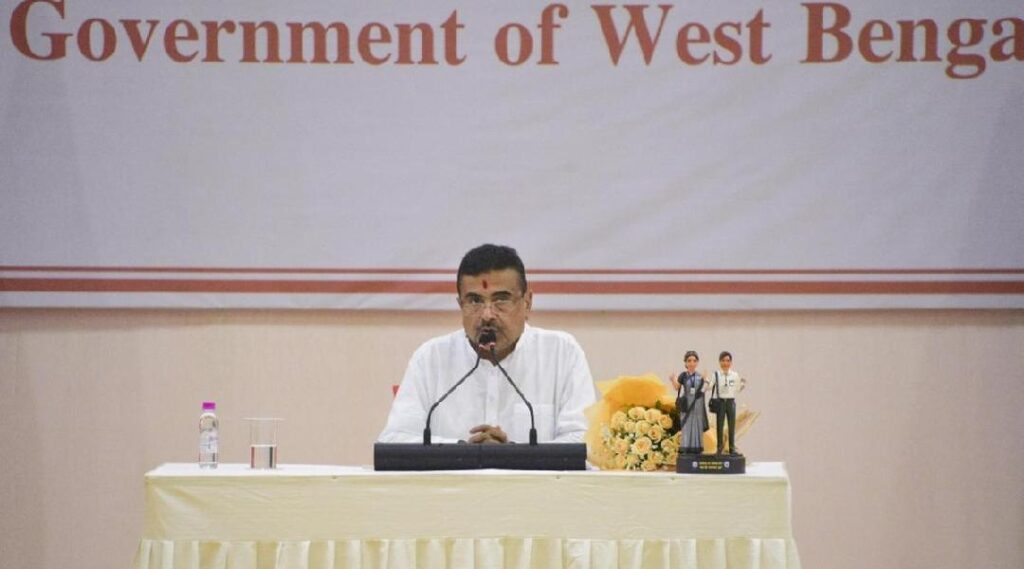
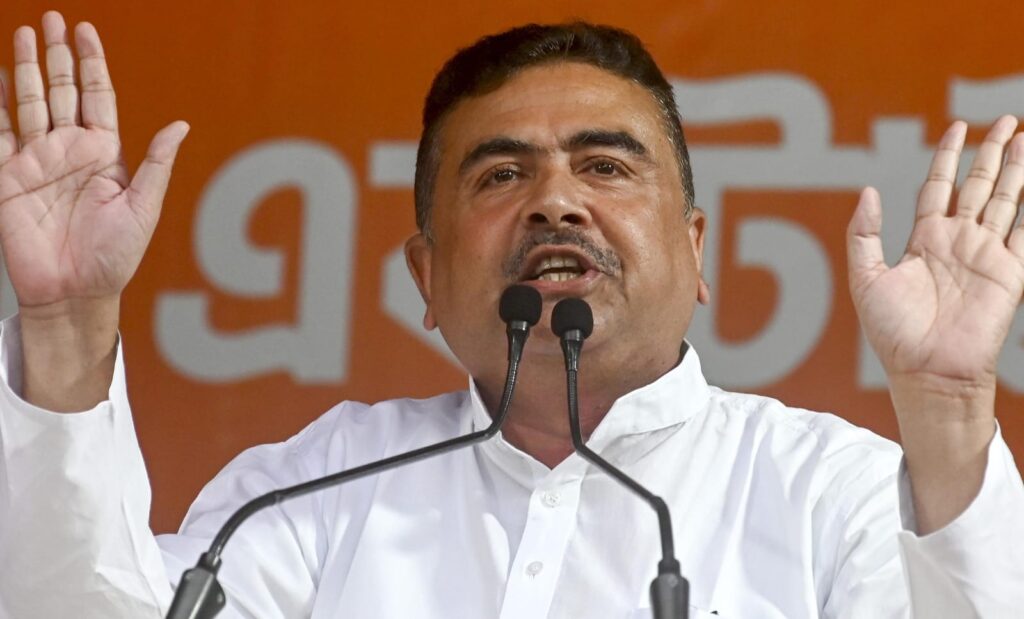
A major political and administrative decision has come out regarding the health system of West Bengal. Chief Minister Suvendu Adhikari has said that the state is now moving towards implementing the National Health Mission. This announcement is being considered important because discussions were going on between the state and the centre regarding health schemes for a long time.
CM Suvendu Adhikari said that the Central Government has approved ₹2,103 crore for this scheme. He also said that out of this amount, ₹527 crore has already been received by the state. In such a situation, it is believed that in the coming times, work can be done rapidly on the expansion and improvement of health facilities.
The aim of the National Health Mission is to provide better health services to the common people. This scheme is considered especially important for people living in rural and remote areas, where health facilities are often limited.
Health experts say that if such schemes are implemented properly, there can be improvement in hospitals, health centres and infrastructure. However, the real impact will depend on how quickly and effectively it is implemented on the ground.
What benefits can West Bengal get under the National Health Mission?
If the National Health Mission is fully implemented, its direct impact can be seen on the health services of the state. Improvement is especially expected in primary health centres, district hospitals and rural health services.
Even today in many areas, people have to travel long distances to get treatment for minor ailments. In such a situation, efforts to strengthen the health infrastructure can provide relief to the people. Chief Minister Suvendu Adhikari said that the amount sanctioned for the scheme will be used to improve health services. Although it has not been made clear yet how much will be spent in which area, it is believed that changes can be seen at many levels.
1. Strengthening health services in rural areas
Health facilities are still limited in many rural areas of the state. In many villages, people have to go to cities even for basic treatment. If the National Health Mission is implemented properly, the availability of doctors in village health centres can increase and infrastructure can be strengthened.
2. Hope for improved facilities in district hospitals
District hospitals often experience high patient volumes, but there have also been complaints about limited resources. Under this scheme, work can be done on new equipment, testing facilities and better treatment arrangements in hospitals. This may make patients less dependent on hospitals in big cities.
3. Shortage of doctors and medical staff may be reduced
The shortage of doctors, nurses, and medical staff remains a major challenge in many government hospitals. If the funds are used on recruitment and training, the quality of health services can improve.
4. Relief for poor and middle-class families
Strengthening the government hospital system can benefit families who cannot afford expensive private hospitals. From treating minor ailments to undergoing complex medical procedures, people can look forward to accessing superior healthcare services at a significantly lower cost.
5. Impact on Women’s and Children’s Health Services
Emphasis can also be placed on improving maternal and child health services. Schemes related to examination of pregnant women, vaccination of children and nutrition can be further strengthened.
What will be the biggest challenge before the government after implementing the National Health Mission?
Like any big scheme, implementation of National Health Mission will not be limited to mere announcement. The real challenge will be to get it off the ground. Many times schemes are started, but it takes time for their full benefits to reach the people.
The biggest responsibility before the government will be to ensure that the approved amount is used in a transparent manner and its benefits are directly visible in health services. Just building buildings will not be enough, doctors, nurses, medicines and better management will also be equally important.
People would hope that long queues in hospitals should be reduced, treatment should be made easier and health services should reach villages in a better way.
At present, after the announcement of Chief Minister Suvendu Adhikari, discussions regarding this decision have intensified in the state. In the coming times, it will become clear how much change the National Health Mission can bring in the health system of West Bengal.