
Why might Mumbaikars be shocked by the increase in CNG prices?
People living in Mumbai have once again been hit by inflation. CNG prices have been hiked by ₹2 per kilogram. Along with this, the prices of domestic pipe gas i.e. D-PNG have also been increased. In such a situation, its impact can be felt by everyone from daily commuters to those managing household budgets.
Daily life in Mumbai is already under the pressure of inflation. In such a situation, the news of increase in the prices of CNG and pipe gas has further increased the concern of the people. CNG prices have been increased by ₹2 per kg in the city. At the same time, the price of domestic pipe gas i.e. D-PNG has also increased by ₹0.5 per standard cubic meter.
The first impact of this change can be on those people who use CNG vehicles daily. A significant number of taxis, auto-rickshaws, and private vehicles in Mumbai run on CNG. In such a situation, those who travel long distances every day may feel a difference in their expenses.
Although the increase of ₹2 may seem small at first glance, but if we look at the monthly calculations, its impact can be clearly felt on the pocket. Especially for those whose vehicles are on the road every day, this expense can seem to add up slowly.
In this era of inflation, people are already feeling pressure regarding fuel, food and other expenses. In such a situation, increase in CNG prices may mean making new budget calculations for many families.
What does piped gas becoming expensive with CNG prices mean?
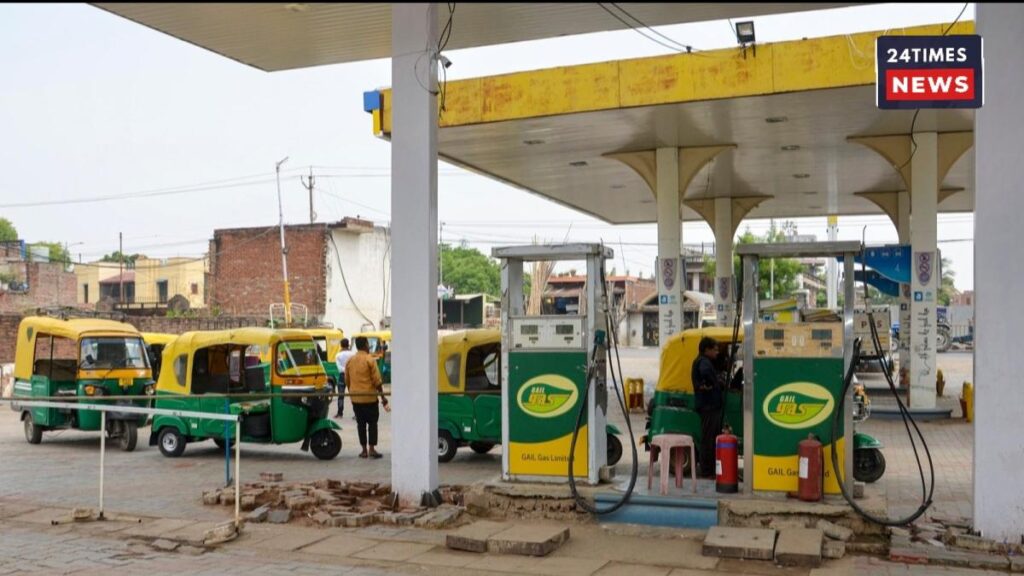
Along with CNG, the prices of domestic pipe gas i.e. D-PNG have also increased. D-PNG is used for cooking in many homes. In such a situation, it can directly impact the household budget.
An increase of ₹0.5 may not seem like much, but it can have an impact in the long run. Especially for large families or households that use more gas, there may be a slight difference in monthly expenses.
On the other hand, the cost of taxi and auto drivers may also increase due to the increase in the price of CNG. If prices remain like this for a long time, then fares of some services may also be affected. However, no formal decision has been taken in this regard yet.
In a city like Mumbai, where millions of people depend on public transport and taxi services every day, the impact of changes in fuel prices is gradually felt at multiple levels. This is the reason why the news of increase in CNG prices is not being considered limited only to the increase in fuel prices.
1. Will the impact increase on daily commuters?
If a person uses a CNG car for daily commuting to office, the fuel cost may seem a bit high at the end of the month.
2. Concerns for Auto and Taxi Drivers
For auto and taxi drivers, fuel costs are directly linked to earnings. Consequently, the rising price of CNG could heighten their financial concerns.
3. Household expenses may also be affected
The increase in piped gas prices means that monthly household expenses may increase slightly, especially in homes with high gas consumption.
What challenges do common people face after the increase in CNG prices?
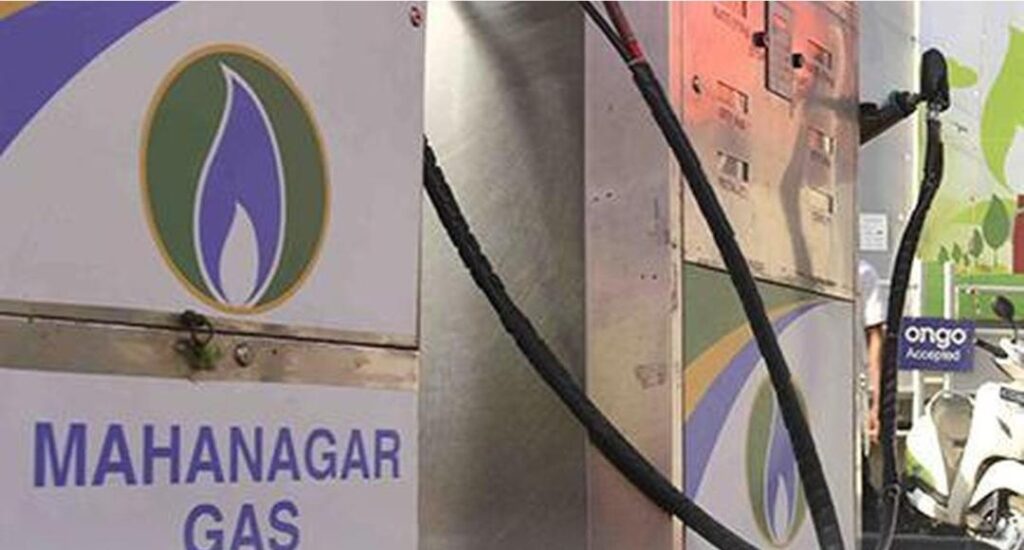
The effects of inflation are often felt gradually. Small changes may appear at first, but over time, those same changes turn into big expenses. Increase in CNG prices can also have a similar effect.
People who use their vehicles daily may now have to pay a little more attention to fuel consumption. Many people already consider CNG to be a cheaper option than petrol and diesel, but due to frequent price hikes, this difference may be felt less.
Families using piped gas at home may also have to recalculate their monthly budget. Although this increase is not said to be very big, but amid the ever-increasing costs, every change affects the people.
For now, people will keep an eye on whether prices increase further or if some relief is seen. But this change in CNG prices will certainly affect the daily lives of millions of people in Mumbai.