The Chief Justice’s remarks have sparked a new debate on unemployment, youth anger, and activism.
Chief Justice B. R. Gavai’s comment sparks major debate
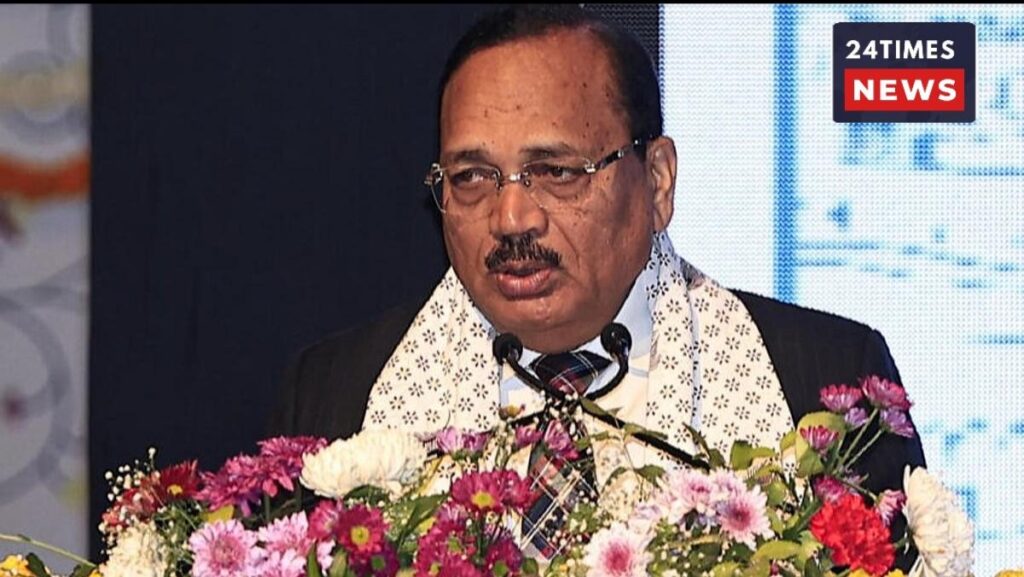
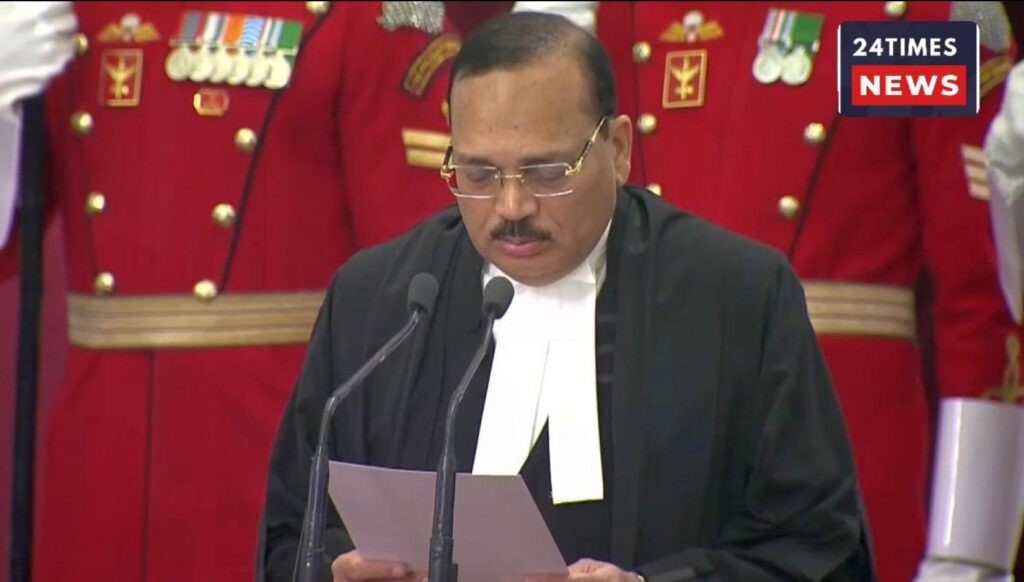
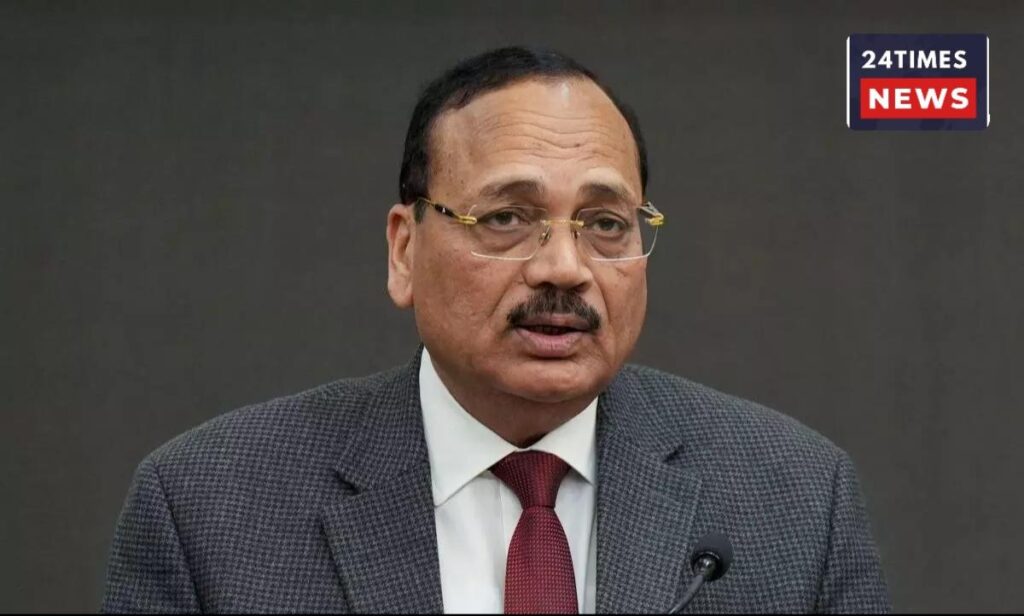
A comment by Chief Justice B. R. Gavai has sparked political, social, and legal debate across the country. During a court proceeding, the Chief Justice commented on unemployed youth and growing activism, saying that some young people “spread everywhere like cockroaches and start attacking everyone.”
This statement sparked a heated debate on social media and public forums. Some considered it a comment on aggressive and directionless activism, while many said the statement also highlighted the real problems of youth and the frustration caused by unemployment.
Unemployment has long been a major issue in India. Every year lakhs of students complete their studies and go out in search of jobs. Many young people spend years preparing for government jobs and competitive exams. But due to limited opportunities, increasing competition and delays in recruitment processes, many youth face disappointment.
Experts believe that unemployment is not just an economic problem; it also creates mental and emotional stress. Repeated failures, delays in recruitment exams, incidents like paper leaks, and uncertainty about the future can fuel anger and frustration among young people.
After the Chief Justice’s comment, the discussion has intensified about how deep is the connection between unemployment and social discontent. Some legal experts say the court’s comments may be directed at those who aggressively protest or criticize every issue without any solid basis.
Unemployment and growing youth discontent remain a matter of concern.
India has one of the world’s largest youth populations. Consequently, the issue of employment concerns millions of families. Unemployment, delay in competitive examinations and recruitment controversies have been in constant discussion in the last few years.
Many young people prepare for government jobs for long periods of time. Some students stay away from home to study at coaching institutes, and their families’ hopes rest on them. When exams are cancelled, recruitment gets stalled or incidents like paper leaks occur, it creates deep disappointment among the youth.
Experts say that social media has given a big platform to the youth to express their views. Now, students and youth openly express their discontent, problems, and demands. However, sometimes this protest becomes aggressive, and debate escalates to personal attacks.
Sociologists believe that activism is a vital part of democracy. Throughout history, youth have played a key role in many major social and political changes. However, in the age of social media, the nature of activism has changed significantly. Now reactions spread rapidly and sometimes anger and negativity also increase without complete information.
Some analysts suggest that the Chief Justice’s comments may have been directed at those who attack every institution and every individual without responsibility. Today, courts, government, media and other institutions face constant sharp criticism and trolling on social media.
On the other hand, many argue that the youth’s anger should not be viewed solely as criticism. He says that the feeling of insecurity regarding employment and future is troubling the youth and this problem demands serious attention.
A new debate on activism, freedom of expression, and responsibility
Following the Chief Justice’s remarks, a new debate has begun regarding activism and freedom of expression in a democracy. Many legal experts say that citizens have the right to question, protest, and express their views.
India has a long history of student movements and social movements. Youth have repeatedly raised their voices on issues such as education, employment, corruption, and social justice. Experts say that both criticism and dialogue are essential in a healthy democracy.
However, experts also believe that it is important to understand the difference between criticism and personal attacks. In the age of social media, misinformation, anger, and hatred spread rapidly. Sometimes, people attack individuals or organizations without any evidence.
Political analysts believe that the growing anger among the youth also reflects the economic and social challenges of the country. Inflation, lack of employment, career pressures, and insecurity about the future are creating stress among young people.
Psychologists say that persistent unemployment and failure can affect the mental health of young people. At such a time, it is the responsibility of both the society and the government to provide better opportunities, skill training and an environment of positive communication to the youth.
Several student organisations and youth groups supported the activism, saying asking questions and demanding accountability is part of democracy. He says that when the future of the youth is affected, it is natural for them to raise their voice.
Experts believe that this entire controversy is not limited to just one statement, but it has become a big discussion about unemployment, youth anger and the state of democratic dialogue in the country.
Many are now hoping that this debate will lead to serious attention being paid to issues of employment, education and youth issues, so that future generations can have better opportunities and a stable future.