As a new financial year kicks off, the Indian automotive industry finds itself in a different mood than last year. Instead of worrying about a slowdown, automakers, dealers, and investors are talking about “normalization.” After a record-breaking FY2026 that saw almost 3 crore retail vehicle sales and new highs in nearly every major category, companies are now regrouping and planning their next moves.
Table of Contents
Why Are April Numbers Lower? It’s Just the Calendar
April 2026 felt quieter than March. New passenger vehicle registrations landed near 4.16 lakh units, down from March’s 4.68 lakh. But this isn’t a sign of falling demand. March tends to be a rush as companies chase year-end targets, push out inventory, and offer heavy discounts. April is the reset month. With only 26-28 selling days this April, the slower pace makes sense.
When you look at daily sales averages, things line up with the steady growth seen in the second half of last year. The Battery Electric Vehicle (BEV) segment dipped 8 percent to 22,266 units. That drop is mostly because March saw fleets picking up electric cars in bulk to close their books, not because buyers lost interest.
SUVs Hold Their Ground, Redefining the Market
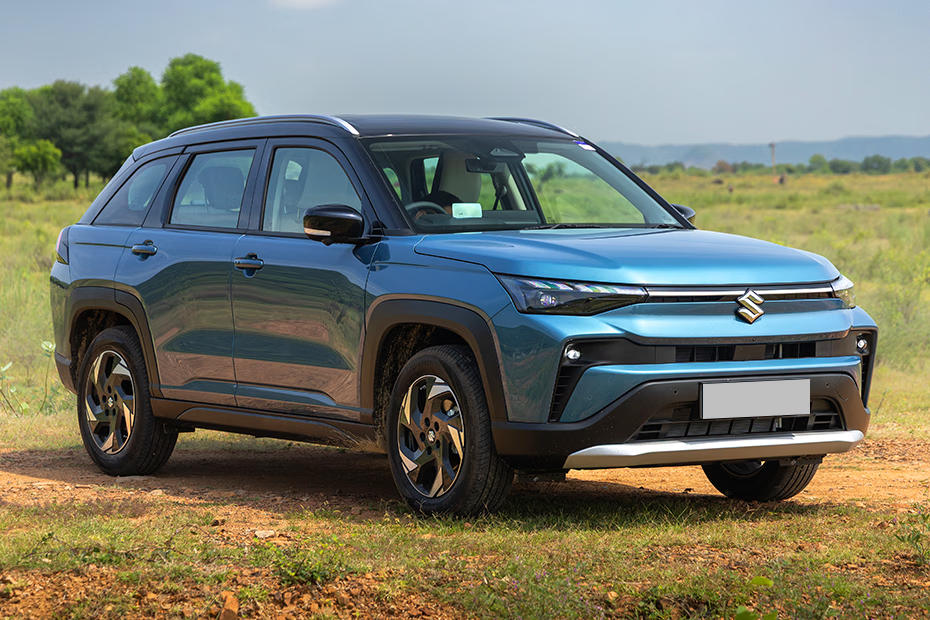
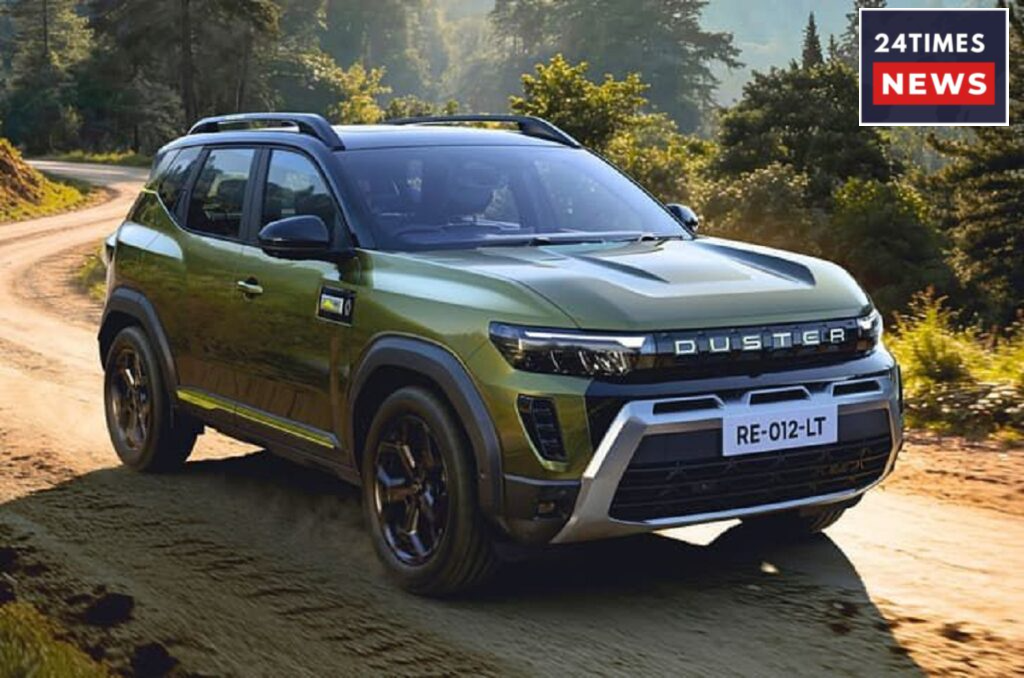
The Indian car buyer is changing, and so is the market. SUVs are now the hottest segment. In April, they made up nearly 60 percent of all passenger vehicle sales, hitting around 2.52 lakh units. From the smallest crossovers (seen as the next step up for motorcycle owners) to mid-size models acting as the new family car, the SUV craze shows no sign of slowing.
This shift is deliberate. Automakers are lining up their big launches for May and June almost entirely around SUVs. The much-awaited MG Majestor and Tata Sierra EV are both aimed at this crowd. Despite higher interest rates, the industry is betting that Indians will keep trading up for the space, presence, and style that SUVs offer.
Hybrids Carve Out Their Niche Amid Electrification Hype
You can’t open the news without reading about electric cars, but the sales data tells a more nuanced story. Hybrids are today’s practical choice for city buyers. In April, sales hovered around 12,298 units. Why? Hybrids promise great fuel economy (sometimes above 27 km per litre) and sidestep worries about charging infrastructure and range anxiety. They strike a balance between cost, convenience, and eco-friendliness.
For companies, this means the road to lower emissions in India will have multiple lanes, hybrids, and BEVs; both have their place. Automakers offering more options are better positioned to capture an evolving, value-seeking middle class.

Dealers Breathe Easy as Inventories Return to Healthy Levels
In the past, dealerships often carried 50-60 days’ worth of stock, choking up working capital and forcing unwanted discounting. That’s changed. By March 2026, inventory levels were down to about 28 days, according to the automobile dealers’ association. Manufacturers are matching supply to real demand better than ever, which helps keep prices stable and protects dealer profits.
New Launches Signal a Re-acceleration in May and June
April’s pause sets the stage for a burst of activity in the coming months. Key launches kicking off soon include:
- MG Majestor: A new three-row SUV aiming to rival the Toyota Fortuner
- Tata Sierra EV: The iconic SUV returns, now all-electric and targeting the popular mid-size segment
- Volkswagen Taigun Facelift: Refreshed styling, new tech, and improved engines
Manufacturers used April to clear out old stock, making space for these launches. If buyers snap up these new models, it’ll confirm that demand is alive and well.
Industry Remains Watchful Amid Global Uncertainties
Despite these strengths, no one is ignoring potential bumps in the road. Two major concerns stand out.
First, the Middle East situation keeps global crude oil prices on edge. While fuel prices are stable for now, any sharp increase would hit car buyers hard, making them hesitate before signing on the dotted line.
Second, access to credit is stable at the moment (with over 70 percent of dealers reporting no problems), but watchful eyes are on the Reserve Bank of India. Any move to raise interest rates could hurt the entry-level market, where price and monthly payments matter most.
Looking Ahead: Resilient Foundations and Expanding Reach
Compared to five years ago, the sector looks far stronger. Growth isn’t coming from just one place; five out of six major categories broke sales records last year. Rural markets are catching up with urban centers, with rural vehicle retail up by 13 percent last year. This points to both deeper aspirations and a broader customer base.
Industry insiders see the sector “growing up.” It’s no longer just about chasing month-to-month growth. There’s a focus on sustainability, premium products, different powertrains, and tighter inventory control.
As showrooms open on Monday, May 4, the industry won’t rush. Instead, there’s a patient confidence that India’s mobility revolution is just getting started. The buzz is not about the total number of cars sold anymore, but about how the Indian customer is changing in taste, in expectations for technology, and in demands for cleaner, premium, reliable cars.
April’s slower sales are a breather, not a setback. The industry is setting a solid base for its next leap ahead, with India now starting to shape the automotive future not just for itself, but for all of the world’s fast-growing economies.