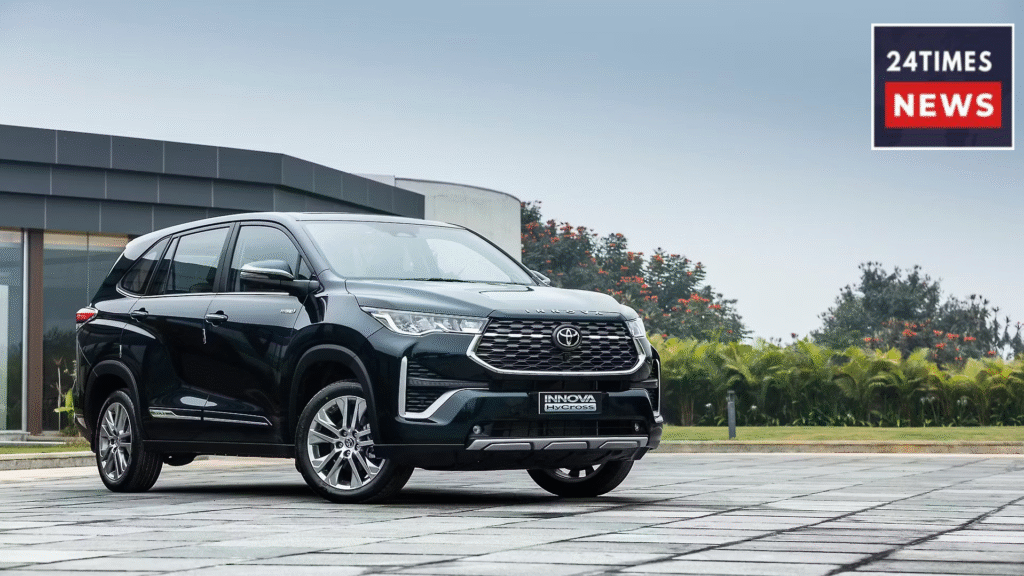
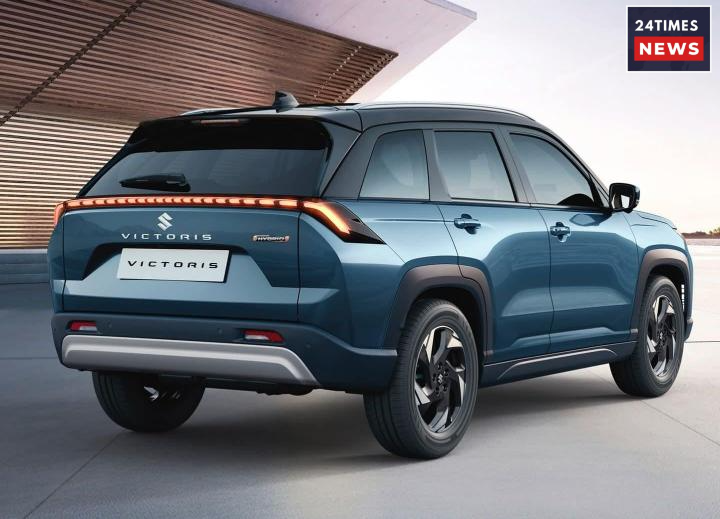
Hybrid SUVs are having a big moment in India. As April ends, new data from JATO Dynamics and the VAHAN Dashboard shows that Hybrid Electric Vehicles (HEVs) are standing out as the top choice for buyers who want electrification without the worries that come with electric cars. While total car sales have settled back to normal levels, interest in strong hybrids is showing no signs of slowing down. This isn’t just another car trend; it’s a shift powered by big promises on mileage and some real concerns about electric vehicle resale.
Table of Contents
Mileage Drives the Revolution
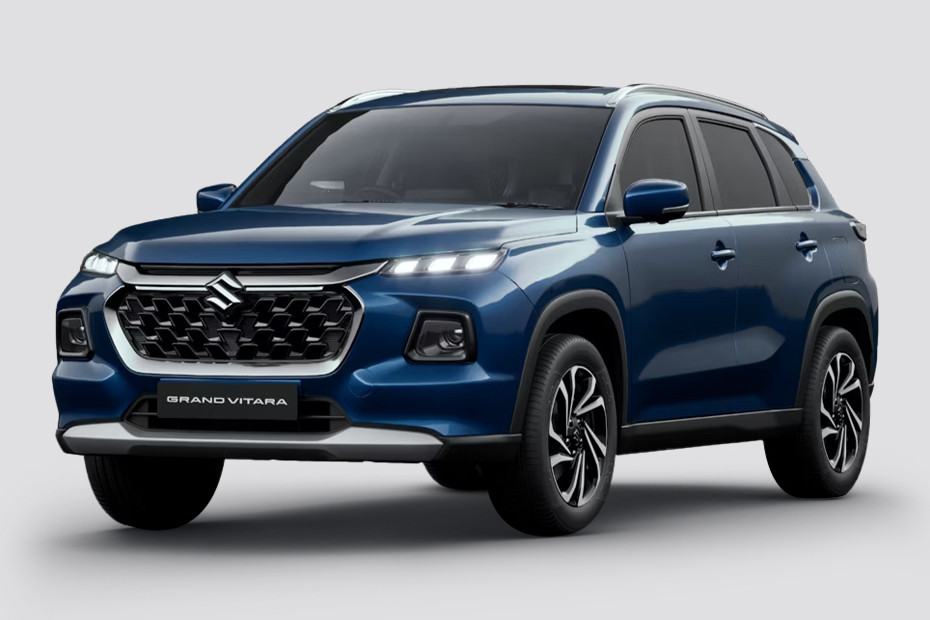
Imagine seeing “27.97 kmpl” everywhere. That’s the impressive fuel efficiency claimed by the Maruti Suzuki Grand Vitara and Toyota Urban Cruiser Hyryder, and it’s become a badge of honor for families and everyday Indian drivers. People commute through heavy city traffic, and in these conditions, these hybrids run on electric mode for most of the journey, up to 70%. That’s not just good for your wallet; it feels futuristic, too.
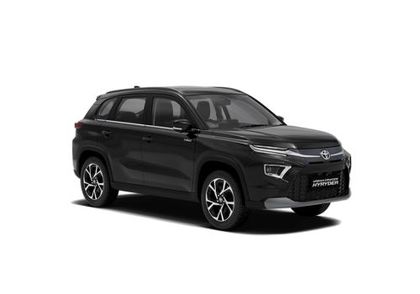
Hybrids Don’t Bring Range Anxiety
Pure EVs promise low running costs but still depend on a charging network that’s catching up. April saw many buyers hesitate. EV sales dropped as fleets trimmed their orders, and some doubted whether chargers would be there when needed. In comparison, hybrids promise the feel of electric power without leaving you stranded.
Resale Concerns Set Hybrids Apart
Another big reason people are leaning toward hybrids is resale value. Battery degradation is something buyers can’t ignore. New surveys show that strong hybrids hold 82-85% of their value after three years. Electric cars lose value much faster, sometimes selling for just 60-65% of their purchase price in the used market. Used car buyers, who tend to be careful with their money, prefer hybrids because their batteries are smaller and cheaper to replace. That makes buying a used hybrid feel safer and means you don’t lose as much if you sell later.
Maruti Suzuki and Toyota: Winning Together
Partnerships matter, and Maruti Suzuki and Toyota Kirloskar Motor are now leading the hybrid charge. They’re not just testing the waters; they’re dominating. Both brands will launch five new hybrid and electric MPVs over the next year and a half. Maruti’s also almost ready with its own strong hybrid system for the Fronx facelift, using a petrol engine as a generator. This new tech means you get the electric driving feel without paying luxury EV prices.
Why EVs Still Face Obstacles
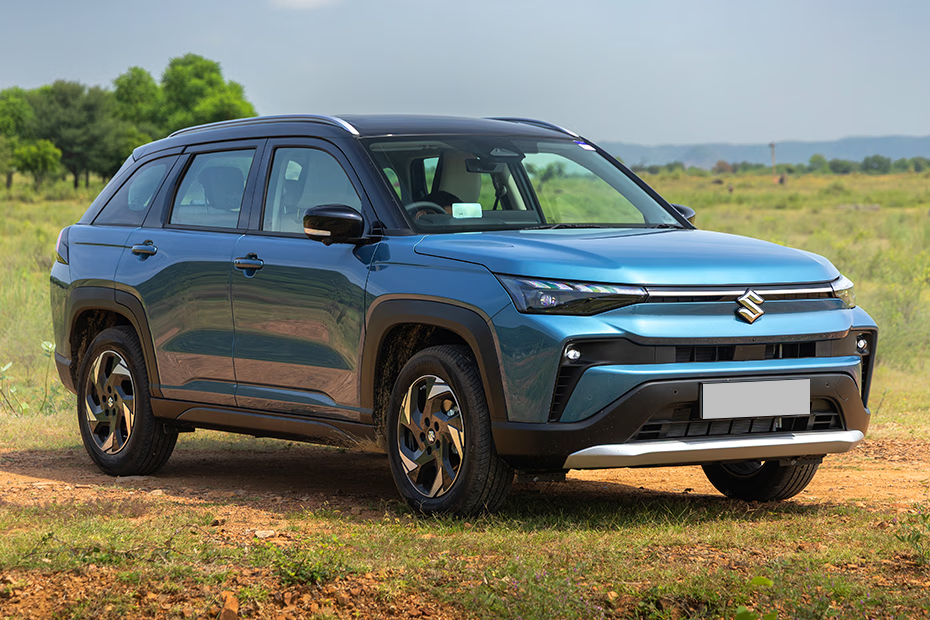
A new Deloitte study explains that full electric SUVs remain too expensive for most buyers, about ₹7 lakh more than petrol ones. Even with fuel savings, that gap is tough to ignore. High loan interest rates make buyers even more cautious. For most, hybrids feel like the smart middle path: better mileage, lower running costs, but not as expensive as going fully electric. There’s also the problem of charging. Most buyers want to charge at home or work, but apartment complexes rarely have the setup ready, and that puts people off switching to pure EVs.
India’s Powertrain Puzzle
India’s not moving to EVs all at once. The market is splitting up. Big cities are seeing more EVs and hybrids. Semi-urban areas are opting for CNG, which now covers almost 22% of sales. Rural and heavy SUV buyers are sticking with diesel, which still holds nearly 18% of the market.
Here’s a quick look at how things stand in April 2026:
- Strong Hybrid: Most resilient, 27.97 kmpl, high resale value
- Electric (EV): Facing a technical pullback, the lowest running cost if charging is available
- CNG: Growing quickly, great for small cars, cheap fuel
- Petrol: Slowly declining, still popular for entry-level buyers
In short, hybrids are leading the way, and they’re showing why India’s car market is more than just a race to go electric. Buyers want savings, reliability, and peace of mind, and for now, hybrids tick all those boxes.