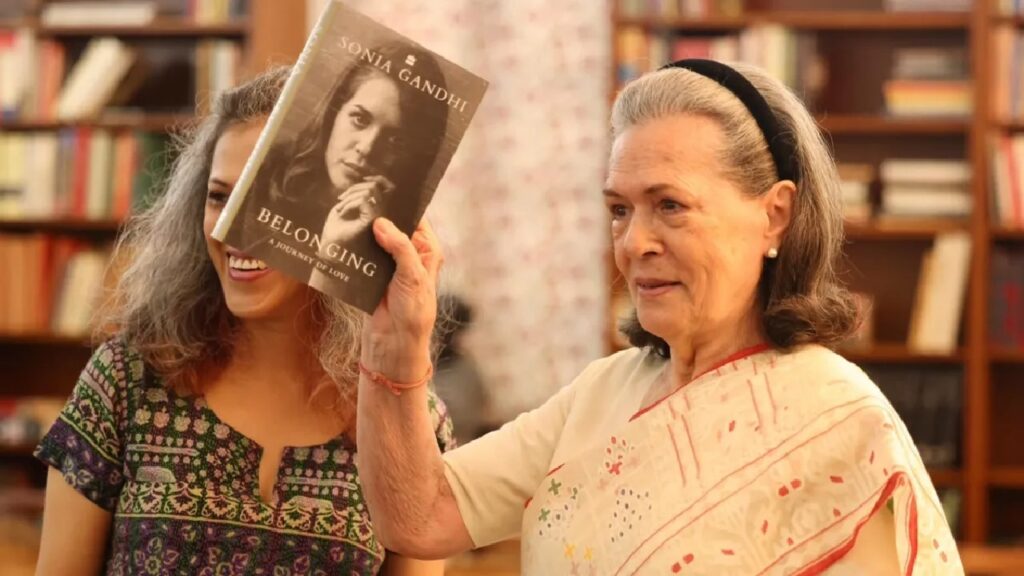
New Delhi: Several significant revelations have been made in Sonia Gandhi’s autobiography, ‘Belonging: A Journey of Love’. In the book, Sonia Gandhi touches upon various topics ranging from Rahul Gandhi’s security and the process behind Rajiv Gandhi becoming Prime Minister to the Godhra incident, while raising questions about the role of the BJP and Prime Minister Narendra Modi. The mention of the Sabarmati Express fire in the book has intensified political discourse. The text addresses the 2002 Godhra train fire and the subsequent communal riots in Gujarat; the train fire is specifically discussed on page 401.
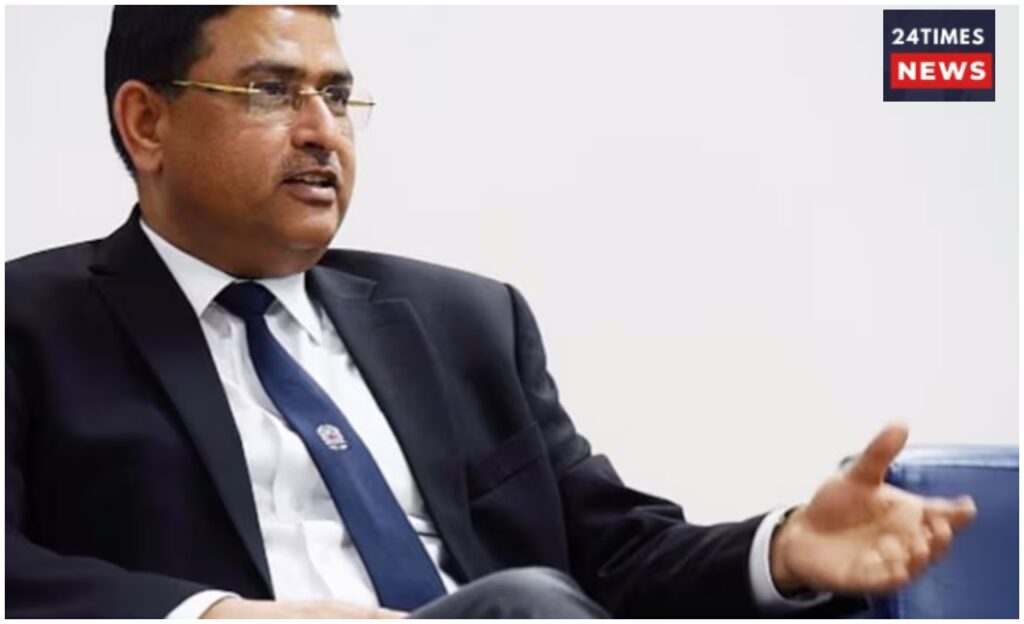
The BJP has termed these claims controversial. Meanwhile, Rakesh Asthana, who, as part of the Gujarat Police SIT, investigated the Sabarmati Express fire,e has spoken out. In an interaction with the news agency ANI, he explicitly stated that it is incorrect to suggest that the cause of the fire is a matter of dispute. He asserted that the fire on the train was set deliberately.
What did Rakesh Asthana say?
According to Rakesh Asthana, a former Indian Police Service (IPS) officer, the case regarding the fire was built upon forensic evidence, eyewitness testimonies, confessions from certain accused individuals, and a forensic examination of the burnt coaches and the surrounding area.
He further noted that the prosecution’s case did not rely solely on these confessions; the forensic evidence and the accounts of independent witnesses were sufficient to secure convictions in both the trial court and the Gujarat High Court. Asthana explained that the forensic investigation revealed exactly how the fire was ignited and how the conspiracy was orchestrated. “I am proud that the investigation was conducted strictly based on evidence and witness testimony,” he said.
Asthana clarifies the cause of the fire.
Refuting the claims made in Sonia Gandhi’s book, he provided a clear explanation regarding the cause of the fire. He stated that at 8:10, as the train was moving away from the platform, the emergency alarm chains were pulled in 3–4 coaches simultaneously, bringing the train to a halt. When the train began moving again, the chains were pulled once more in 4 coaches at the same time.
The train was brought to a stop by manipulating the vacuum-release mechanism, a key-operated device located between the coaches—which caused the train to come to a standstill again after travelling another half-kilometre. He mentioned that the train stopped near the ‘Signal Faliya’ area, where a crowd of 150–200 people had already gathered, positioned directly in front of the S6 coach. Among this crowd, a group of 20–25 young men had already stockpiled petrol.
What did the former CBI Special Director say?
The former CBI Special Director stated that the vestibule (the connecting passage) between two coaches was cut open. The vestibule of the S6 coach was made of canvas dating back to 1987, while the vestibule of the S7 coach was made of rubber. The youths attempted to enter the S6 coach by cutting through its vestibule and accessing the sliding door; however, the passengers had already locked the door due to the heavy stone-pelting by the crowd. First, they poured petrol into the carriage, then set it on fire.
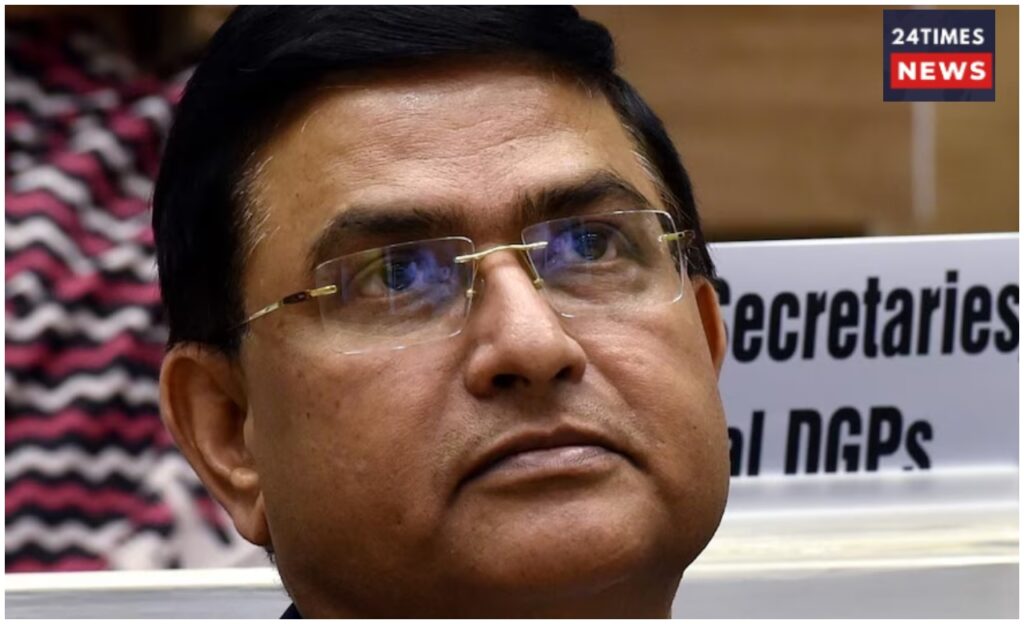
Rakesh Asthana stated, “Some of the youths forced the door open, entered the carriage, poured 140 litres of petrol inside, and then exited by opening the door from within. Meanwhile, the mob outside threw flaming torches through the windows, which had already been shattered by stone-pelting. Within five minutes, the entire carriage was engulfed in flames. This incident resulted in the deaths of 59 people, including 27 women, 10 children, and 22 men.”
Furthermore, Rakesh Asthana noted that a separate investigation revealed that those who managed to jump out of the carriage in an attempt to save their lives were pursued and killed by the mob. Addressing the claim in Sonia’s book that the cause of the fire is a matter of dispute and the suggestion that it might have been an accident, Asthana emphasised that the investigation does not support such a conclusion.