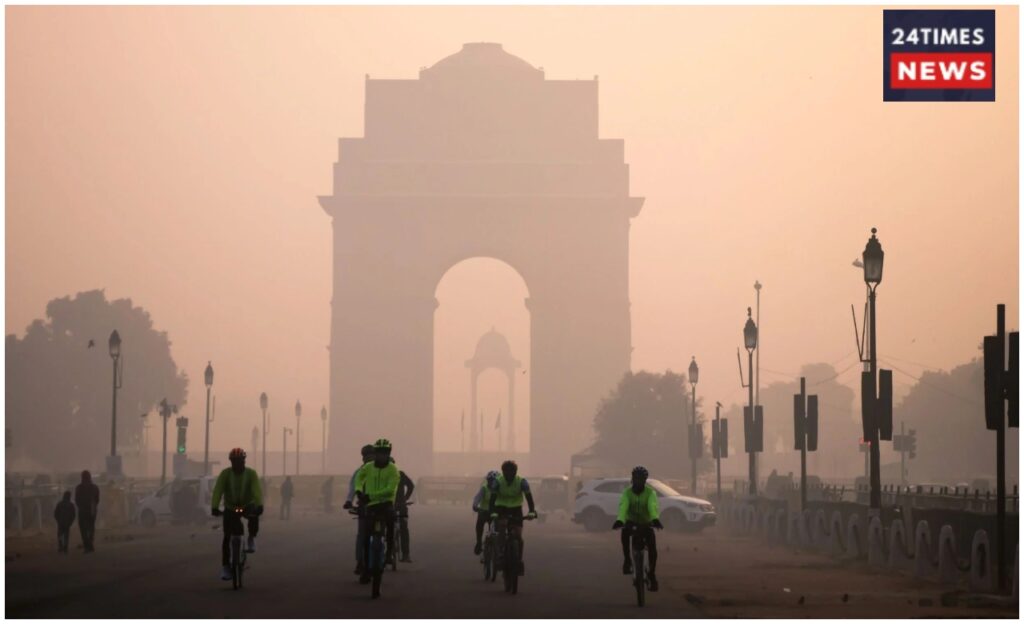
New Delhi: India’s capital, Delhi, once renowned globally for its vibrant lifestyle and dazzling lights,s has now become “blinded,” even in broad daylight. A thick haze blankets the city from the sky down to the ground, disrupting daily life. The rising Air Quality Index (AQI) is causing persistent air pollution; the presence of pollutants in the air is making it difficult for people to breathe, leading to symptoms like chest discomfort and stinging eyes. On November 14, at 2:00 PM, Delhi’s average Air Quality Index was recorded at 563.
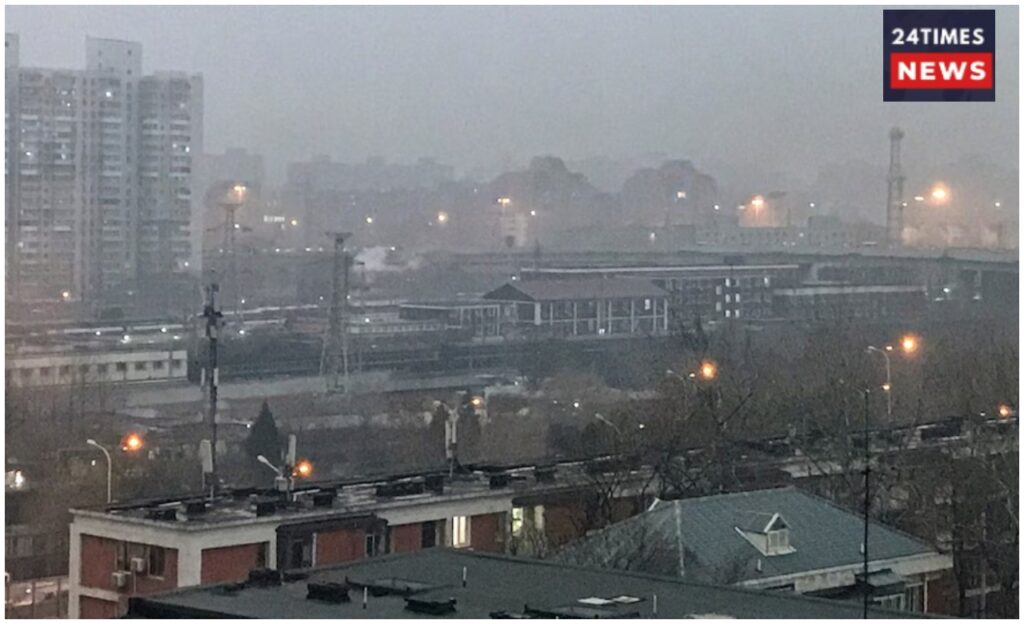
Did you know that Beijing, the capital of China, a nation bordering India, once faced a similar crisis, with toxic air posing a severe threat to public health? However, thanks to timely decisions, the situation there has since turned positive. In the past, Beijing used to be so shrouded in thick smog that even large buildings would disappear from view. That is no longer the case.
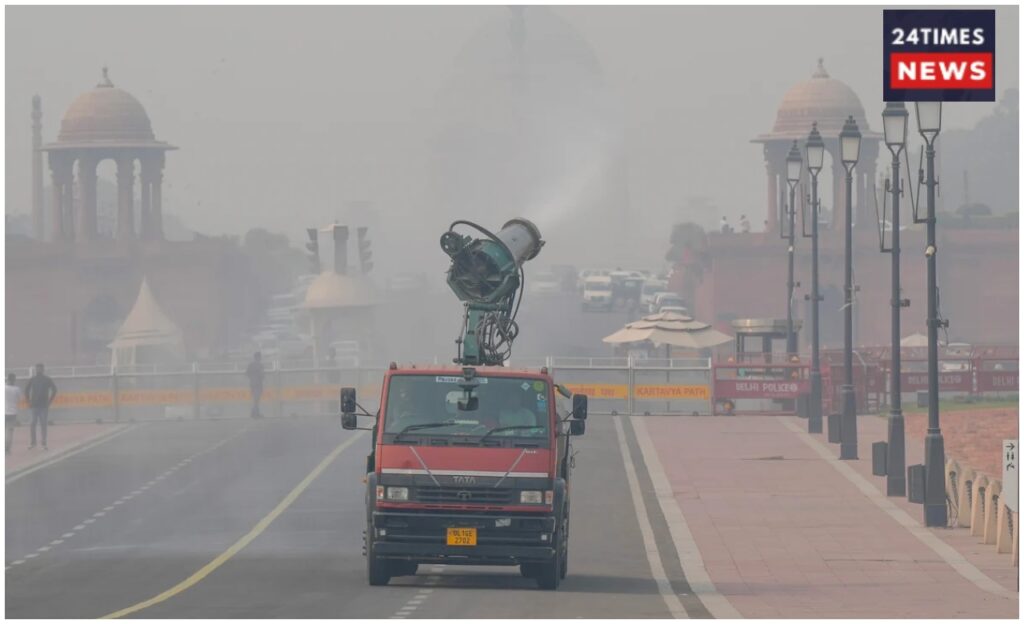
In Delhi, the administration is taking various measures to combat pollution, yet there are no signs of improvement. According to air quality monitoring centres, no immediate relief is expected.
Do you know how high the AQI used to reach in Beijing during the winter?
Based on past reports from air quality monitoring centres, the AQI in Beijing would often climb above 700 during the winter months. People would avoid stepping outside; the streets would fall silent, and those who were compelled to venture out would rely on masks or scarves for protection. Through a combination of strategic policies, stringent regulations, and significant investment, China achieved something akin to a miracle, transforming the situation entirely.
According to a report by the United Nations Environment Programme (UNEP), Beijing began efforts to control air pollution as early as 1998. However, the real turning point arrived in 2013, when the Chinese government implemented a comprehensive five-year plan to combat pollution. This initiative placed Beijing among those cities globally that recorded a significant improvement in air quality within just a few years.
How did Beijing end up in the grip of pollution?
China, once known as the “kingdom of bicycles,” saw pedal-powered bikes replaced by fuel-powered vehicles. This created a mountain of challenges for the nation’s economy, society, and environment. Exhaust fumes from vehicles became a major public health crisis. As the number of fuel-powered vehicles and their usage surged, the gleaming capital of Beijing became shrouded in a thick blanket of smog. The entire city fell into the clutches of severe air pollution. Rapid economic growth, a rising population, and an increasing number of vehicles severely degraded the city’s environment, particularly its air quality. In recent years, air pollution in many Chinese cities became so critical that a specific term, Chinese haze, was coined to describe the situation. The very creation of this term underscores the severity of the problem in China.
China’s campaign against pollution
For a long time, Beijing remained completely engulfed in smoke and smog, making it difficult for children, adults, and the elderly alike to breathe. In 2013, the Chinese government implemented proactive measures to combat air pollution in Beijing. Before long, the city began to regain its former character; the smog cleared from the sky, and pollution levels improved significantly.
What does the World Bank report say?
According to a World Bank report, during that period, the 24-hour average level of PM 2.5 in Beijing reached as high as 569 micrograms per cubic meter on certain days. In terms of comparison, this was measured against the pollution levels of November 2017, when PM 2.5 concentrations here reached 576 micrograms per cubic meter. Following such severe conditions in the city, China’s State Council implemented an ‘Air Pollution Prevention and Control Action Plan’ in September 2013.