Table of Contents
Thursday, November 5, 2026: The Day Tech Stocks Crashed
If you were watching the Nasdaq on Thursday, November 5, 2026, you probably felt like the floor disappeared beneath your feet. Wall Street saw one of the wildest sessions in recent memory as panic spread across global markets. The day started with some hope, but by the closing bell, tech stocks had suffered their worst crash in a year and a half. All those gains from the week’s earlier midterm-election bounce were wiped out in just a few hours.
Institutional investors dumped shares in artificial intelligence hardware, semiconductor giants, and huge tech companies. By the end of the day, correction territory was more than just a technical term it was cold reality for anyone watching their portfolio.
Day’s Numbers: A Brutal Sell-Off Across the Board
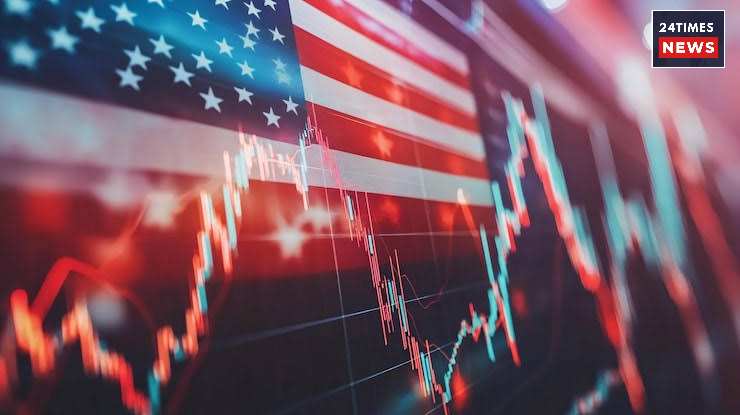
The Nasdaq Composite Index lost a jaw-dropping 1,421.52 points, sliding 5.52% to finish at 24,315.00. That’s one of the largest one-day drops in the benchmark’s entire history. Things started off at 25,558.11 after the morning bell, but it was all downhill from there. By the time trading closed, the index had hit a session low of 24,262.15.
The selling didn’t let up, with the Nasdaq-100 dropping 5.44%. The PHLX Semiconductor Index dove even deeper, crashing nearly 7%. The numbers speak for themselves:
- Nasdaq Composite: 24,315.00 (-5.52%, down 1,421.52 points)
- Nasdaq-100: 20,201.10 (-5.44%, down 1,162.70 points)
- Semiconductor Index: 9,758.40 (-6.85%, down 717.40 points)
Across the Nasdaq, losers outnumbered gainers nearly eight to one. The mood was downright fearful, with the CBOE Volatility Index (VIX) shooting up above 26.5, showing just how many traders were desperate to hedge against more losses.
Why Did the Market Crash? The Real Triggers
Election Surprises: New Political Risks and AI Regulation Fears
It wasn’t just another market correction. The real shock came from surprisingly dramatic results after the U.S. midterm elections. Suddenly, with new faces leading key states and changes in Congress, everyone was worried about tougher rules for artificial intelligence, including possible limits on new data centers and stricter standards for energy use.
There was talk about stricter reviews of data center building permits and worries about new taxes on companies building massive AI infrastructure. As soon as the news spread, investors scrambled to get out of AI-related stocks. Nvidia shares slumped over 9%, CoreWeave lost almost 10%, and bond proxies tied to SpaceX fell about 9% as well. These companies have become poster children for the risks of regulation.
Semiconductor Meltdown: Hardware Takes the Biggest Hit
Big semiconductor companies led the slide. Nvidia tumbled, taking over 1,400 points off the Nasdaq Composite and shaving 335 points off the S&P 500. AMD, which had been doing fine just days earlier, slid more than 8%. Chip-makers Broadcom and Marvell each lost between 8% and 9% over worries that big tech customers would delay their orders for custom chips and networking gear.
It got so bad that the PHLX Semiconductor Index crashed almost 7%, falling below its 200-day average, a sign that even the strongest upward trends were broken.
Bond Yield Spike and Oil Prices Add Pressure
It wasn’t just stocks. The 10-Year U.S. Treasury yield jumped back above 5%, piling on troubles for tech stocks that already felt stretched. And with Brent crude oil rising over $108 a barrel because of ongoing Mideast tensions, fears grew about tech supply chains facing more expensive input costs. Put simply, money got tighter and costs went up at the worst possible time for high-growth tech.

Which Companies Were Hit the Hardest?
AI and Cloud Leaders Take the Bulk of the Losses
- Nvidia (NVDA): down 9.26% dragged down by bond market losses and regulatory risk
- CoreWeave (CRWV): down 9.83% investors worried about a freeze on new data center spending
- SpaceX Proxy (SPCX): down 9.05% credit markets marking down debt prices, fueling more selling
- Broadcom (AVGO): down 7.80% concerns about delayed orders from the giants building huge cloud server farms
- Microsoft (MSFT): down 4.85% hit hard by doubts about future data center projects
- Alphabet (GOOGL): down 4.40% investors second-guessing big cloud investment returns
- Apple (AAPL): down 3.15% risk-averse traders pulled out, worried about future margins
One area that held up a little better was biotech. The Nasdaq Biotechnology Index fell “only” 3.2%. Companies like Vertex Pharmaceuticals and Gilead saw smaller losses, thanks to their stable business models and steady demand.
Market Data at a Glance
Here are the numbers that show just how painful the day was:
- Nasdaq Composite lost 1,421.52 points
- Nasdaq-100 down 1,162.70 points
- PHLX Semiconductor Index tumbled 717.40 points
- Nvidia closed at $118.40, down 9.26%
- CoreWeave ended at $72.10, down 9.83%
- 10-Year U.S. Treasury yield: 5.045%, up 11.5 basis points
Technical Trouble: Chart Support Crumbles
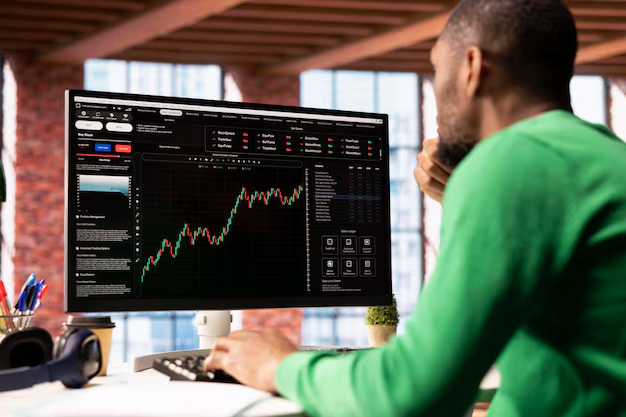
Thursday’s fall smashed through key chart support levels. The Nasdaq Composite closed at 24,315.00 well under its 200-day moving average of 24,850, confirming a rough correction after setting an all-time high of 27,599.79 in early October. Year-to-date gains shrank to just 4.6%, down sharply from over 14% not so long ago.
Meanwhile, the Nasdaq-100 broke under its key support at 20,800, finishing at 20,201.10, and the Relative Strength Index (RSI) fell deep into “oversold” levels at 28.4, showing just how quickly sentiment had turned.
What’s Next? Where the Market Stands Now
Traders and analysts are still bracing for more turbulence. For now, everyone’s watching for:
- Clear signs about AI regulation people are hanging on every word from Congress and state leaders
- Corporate bond markets if bond prices linked to AI leaders keep falling, worries about a credit squeeze will grow
- Federal Reserve’s moves with bond yields above 5%, central bank signals on rates and inflation matter more than ever
Right now, the level everyone’s watching on the Nasdaq is 24,262. If it drops below that, some think a new round of panic selling could hit. If stocks hold between 24,262 and 24,850, a period of sideways trading might follow. To get any kind of relief rally, the index needs to recover and push back up over 24,850.
In Summary
Thursday proved how fast things can shift on Wall Street. Just days before, the mood was hopeful after the midterms. But with major political change and new worries about how tech especially artificial intelligence will get regulated, the market turned on a dime. Panic selling hit mega-cap tech, semiconductors, and anything linked to big data centers. Defensive sectors like biotech softened the blow a little, but the message was clear: when uncertainty rises, even the giants can fall hard.
Always remember, markets can bounce, but these kinds of shocks remind everyone that risk is real. If you’re trading or investing, keep an eye on policy news, interest rates, and, maybe most of all, your own appetite for risk. What happens next? With the dust still settling, that’s the billion-dollar question.
This performance report uses data from November 5, 2026, and is provided for informational purposes only. Investing always comes with risk. Do your research, stay informed, and never bet more than you can afford to lose.