
Table of Contents
Limited consensus reached on Artificial Intelligence at the Trump-Xi Summit
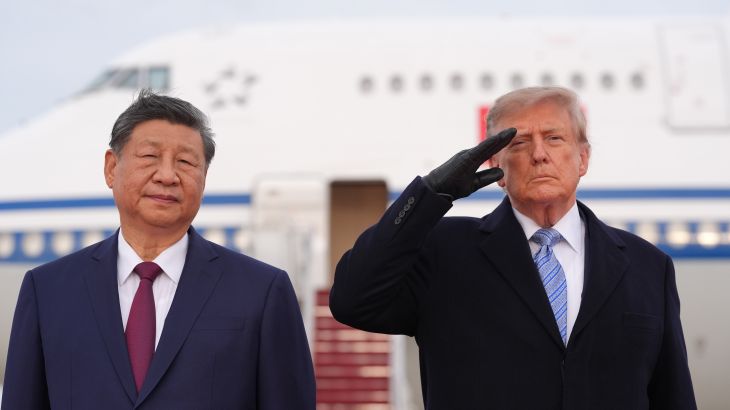
During US President Donald Trump and Chinese President Xi Jinping’s visit to the US and their talks, which began on September 23rd, an agreement was reached to advance discussions on artificial intelligence. Both sides have moved to establish a separate dialogue mechanism to discuss the risks and potential benefits of artificial intelligence.
An important aspect of this conversation was that America and China appeared ready to continue the dialogue on the issue of AI, but their terminology regarding the subject remained different. The US side’s document used the term ‘Super Intelligence,’ while the Chinese side’s consensus points referred to it as ‘China-US dialogue on artificial intelligence.’
This suggests that while the two countries share some common issues regarding AI safety and cooperation, differences remain regarding the definition of the technology and its strategic use.
Proposed dialogue on the risks and benefits of artificial intelligence.
The proposed dialogue between the US and China will focus on the risks and potential benefits of advanced AI systems. This dialogue between the two countries is taking place at a time when concerns have grown about the capabilities of cutting-edge AI models and the cybersecurity risks associated with them.
The US side also stressed the need to establish a communication system for AI-related matters that could impact national security. Its purpose is to maintain a direct line of communication between the two countries in case of any serious incident.
This arrangement is considered a framework for initial dialogue rather than a comprehensive AI agreement. Differences between the two countries related to technological competition and national security still persist.
Emphasis on a channel for sharing information on artificial intelligence incidents
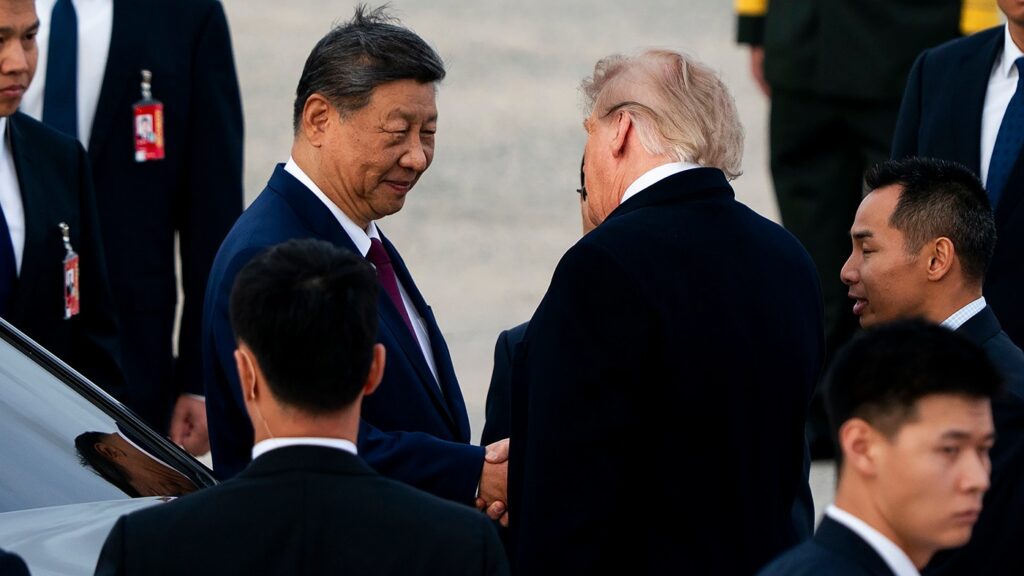
Discussions between Washington and Beijing highlighted the need for a communication channel for sharing information on serious AI-related incidents. Particular attention is paid to incidents that could impact national security or critical digital systems.
The purpose of such a channel is to reduce misunderstandings in times of crisis and maintain communication between the two governments. However, it is unclear from the available consensus how widespread this arrangement will be in the future.
AI was also included in the dialogue between US Treasury Secretary Scott Bessant and Chinese Vice Premier He Lifeng in September regarding the trade mechanisms between the two countries.
Why are the US and China using different terminology regarding artificial intelligence?
Despite the talks on AI, the use of different words in the documents issued by both the countries has become a topic of discussion. According to the White House, the US side preferred the term ‘Super Intelligence’, while China directly referred to the ‘Artificial Intelligence’ dialogue in its agreement document.
This difference cannot be limited to mere words, as the US and China have different policy priorities regarding the development, safety, and regulation of AI. Both countries are trying to enhance technical capabilities in AI as well as influence its global regulations.
At present, both sides have kept the door open for dialogue, but it would be premature to conclude any broad regulatory consensus or technical partnership from this dialogue.
The next meeting is expected to be held by November.
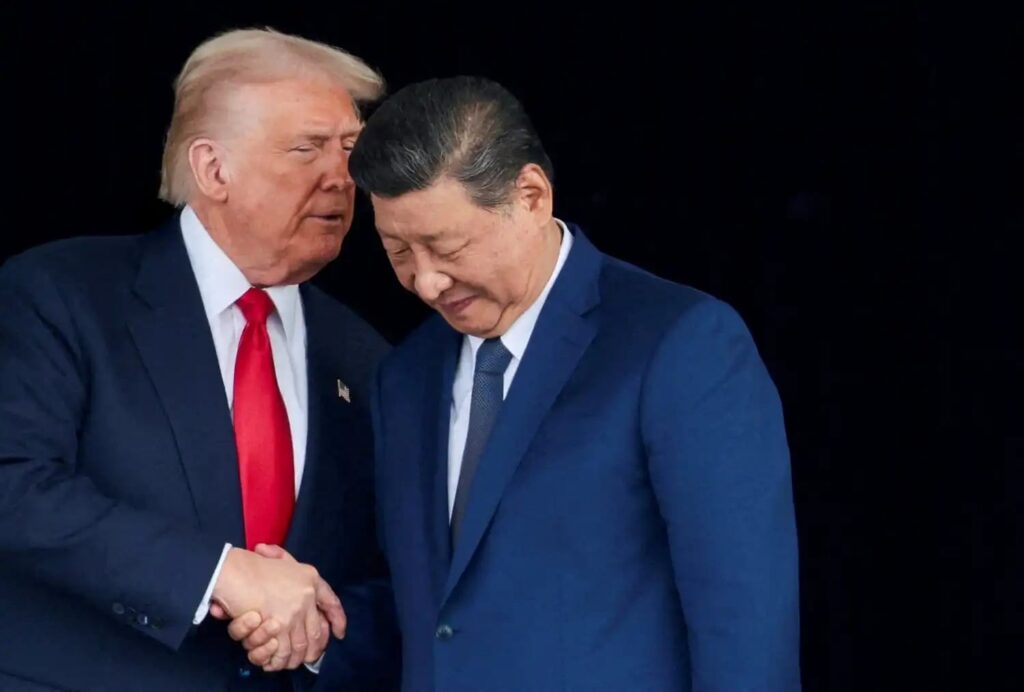
As agreed, the next meeting is planned for November to advance the dialogue on AI. This indicates that both countries do not want to limit this issue to a one-time discussion.
However, it is not yet completely clear what issues will be discussed concretely in the upcoming meetings. Many questions remain between the two sides regarding the safety of advanced artificial intelligence models, national security risks, technology access, and regulations.
According to experts, the importance of the US-China AI talks is not limited to just the two countries. Their decisions could also influence future global AI regulations and technology policies of other countries.
India faces the challenge of enhancing its capabilities in the global artificial intelligence race
With the increasing dialogue between the US and China on AI, the question of developing its domestic AI capabilities has become increasingly important for India. According to an analysis published in the Indian Express, relying solely on a single foreign technology ecosystem could pose long-term risks for India.
Experts have stressed the need to pay special attention to aspects such as security, local control and reliability in the use of government systems, critical infrastructure and sensitive data in India. Technological access from both China and the US has its advantages and limitations.
Therefore, in India’s AI policy, it will be important to focus on developing domestic models, computing capabilities, data infrastructure and skilled talent along with the use of foreign technology.
Why a balance between American and Chinese artificial intelligence is important for India?
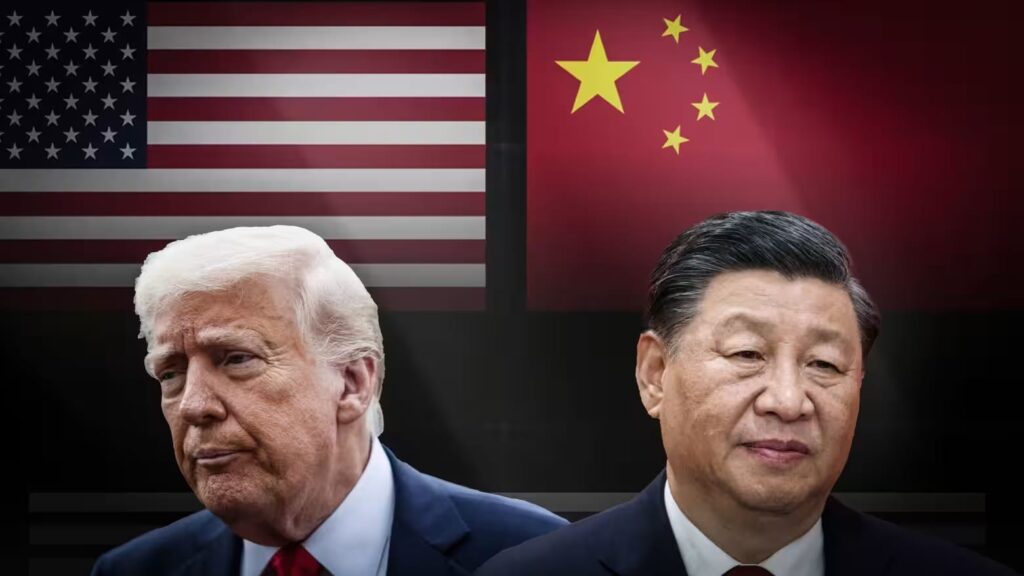
The US-China competition is not just a technical issue for India, but also a matter of strategic autonomy. A recent MP-IDSA analysis also emphasized that India needs to go beyond accessing foreign AI and develop its own capabilities.
India’s challenge will be to adapt both American and Chinese artificial intelligence models to its security and strategic needs, rather than simply adopting them as ready-made solutions. Issues such as data control and security testing are especially important for sensitive government and critical systems.
The Trump-Xi talks have certainly opened a new channel for discussion on AI, but the technological competition between the US and China has not ended. In such a situation, strengthening domestic AI capabilities and maintaining its independent policy amidst different technology partnerships will be a big challenge for India in the times to come.