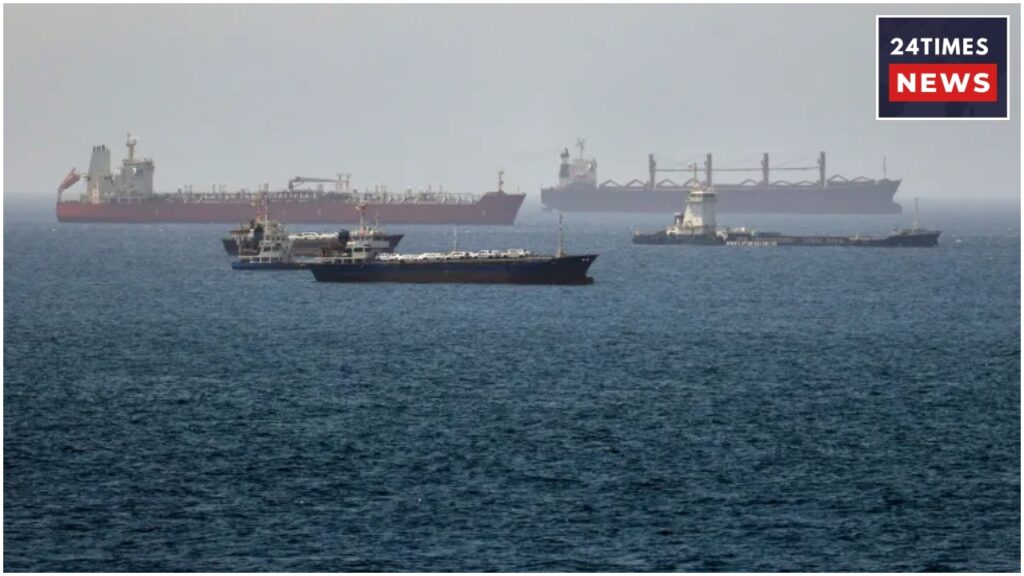
New Delhi: Tensions between the US and Iran remain high, with no sign of a middle ground emerging. The US has maintained an aggressive stance, seeking to teach Iran a lesson, while Iran remains fully prepared for a confrontation and shows no signs of backing down. In recent weeks, the US Navy has withdrawn its major vessels from the waters surrounding Iran.
Satellite imagery confirms the absence of any US aircraft carriers or destroyers in the Gulf of Oman and the Arabian Sea; these ships have been missing from the region since early September. Iran’s ‘Qasim Basir’ ballistic missile is cited as a key factor behind this significant shift. Iran claims that the missile used in actual combat for the first time posed serious challenges for US naval vessels.
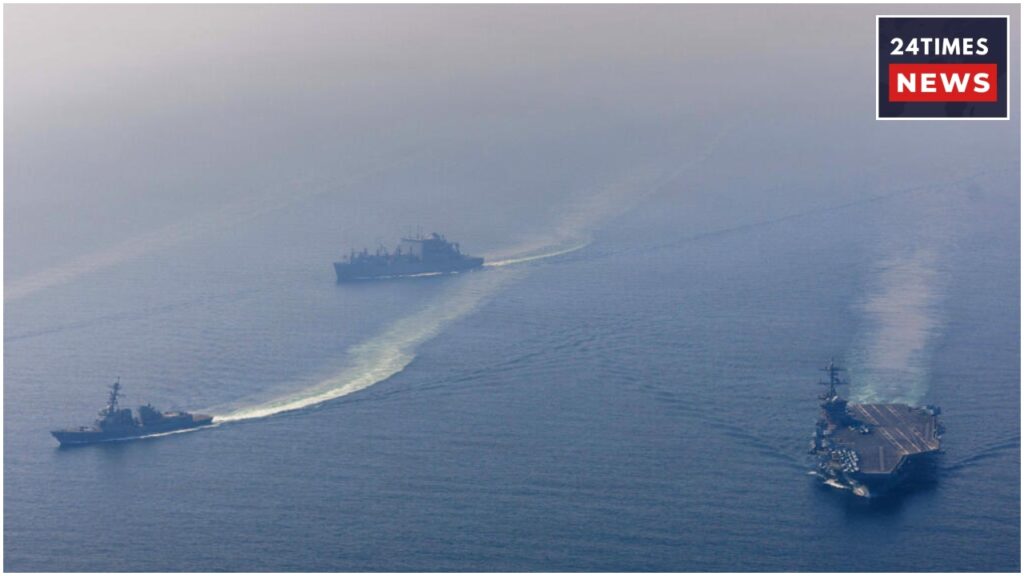
US Ships Withdraw
Amidst the heightened tensions, Iran asserts that this missile has created a hellish” situation for US forces. While the blockade remains in effect on paper, the ships responsible for enforcing it have retreated significantly. The impact of the Qasim Basir missile has earned it the moniker “Carrier Killer a weapon designed to target large warships. It reportedly has a range of approximately 1,200 kilometres and is equipped with thermal and optical seekers to assist in locating warships.
The US fleet altered its positioning following claims of the missile’s combat debut. Specifically, vessels such as the USS George Washington, USS George H.W. Bush, USS Tripoli, and several Arleigh Burke-class destroyers have withdrawn from the area. The USS Gerald R. Ford has moved out of the Middle East entirely. A Ford-class aircraft carrier costs around $13 billion and carries a crew of approximately 4,500 sailors; the cost of a missile is far lower by comparison. This calculation drove the blockade line back beyond a range of 1,200 kilometres. Satellite imagery confirms this shift.
Understand the regional impact and the evolving situation.
It is worth noting that this withdrawal could affect the security architecture of the Gulf region. A reduced US presence may prompt regional nations to re-evaluate their security arrangements. Iran is framing this as a success for its missile capabilities, while for the US, it presents a challenge on both technological and strategic fronts. While the blockade remains in effect on paper, the practical reality has changed due to the withdrawal of the ships responsible for enforcing it.
Issues such as the security of maritime routes and oil shipments could be impacted. Although statements from both sides differ, satellite evidence and official acknowledgements make it clear that the US fleet has increased its distance.