Table of Contents
Swatantra Bhardwaj’s claim during the bail hearing
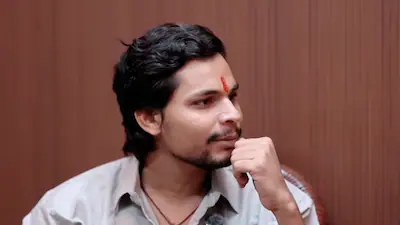
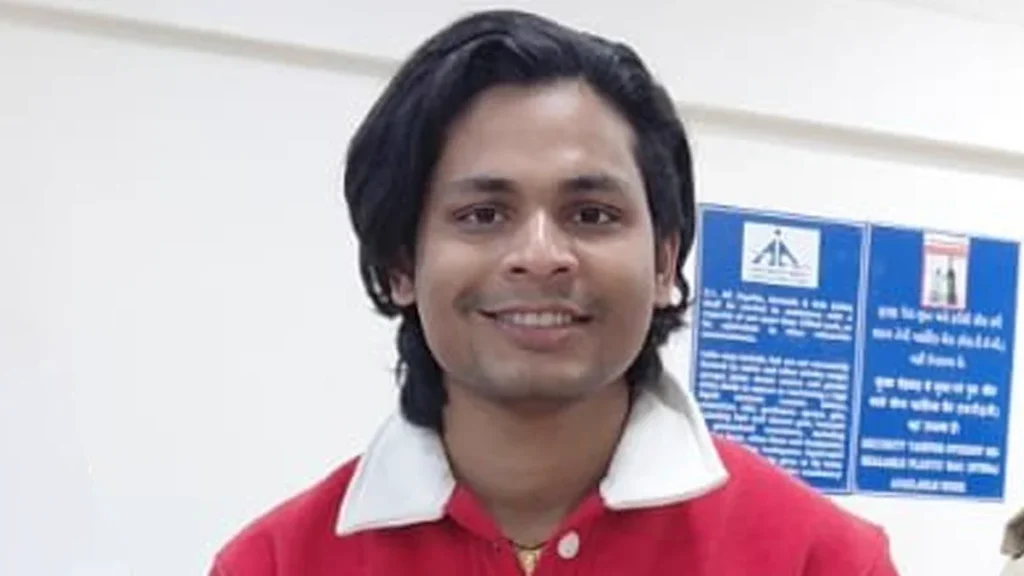
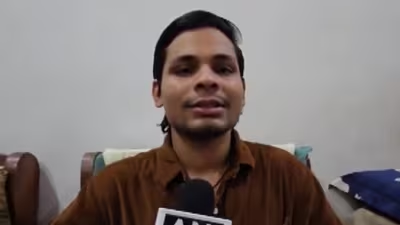
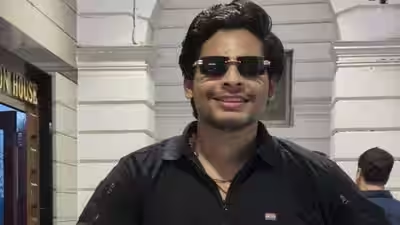
Swatantra Bhardwaj, arrested in connection with the alleged assault on the father of a student activist during the CJP’s Jantar Mantar protest, told a Delhi court that his arrest was politically motivated. During the hearing on the bail plea, his lawyer Umesh Sharma claimed that it was the complainant who had attacked Bhardwaj during the incident.
The case was heard in-camera in the court of Additional Sessions Judge Saurabh Pratap Singh Laler. The lawyer appearing for Bhardwaj said that he has a video in which the complainant can allegedly be seen attacking Bhardwaj.
The lawyer also alleged that the Delhi Police did not take any action against the complainant on the basis of that video. After hearing the arguments of both the parties, the court reserved its decision on the bail plea.
The lawyer cited a video to defend himself.
Bhardwaj’s lawyer, Umesh Sharma, claimed in court that a video of the incident exists. According to him, in the video the complainant is allegedly seen attacking Bhardwaj and after this Bhardwaj falls down.
The defence questioned why the police did not take action against the complainant if this aspect of the incident was visible in the video. The lawyer also raised questions before the court regarding the police investigation.
However, this is a claim presented by the defence. The final conclusion on the interpretation of the video and who attacked first in the incident will be based on the court’s decision and investigation.
The complainant’s lawyer made different allegations.
On the other hand, Swati Khanna, representing the complainant, opposed Bhardwaj’s bail. He alleged that Bhardwaj had used casteist words against the complainant.
The complainant’s lawyer also claimed that Bhardwaj himself had admitted in a video that he had attacked the complainant. This argument questioned the defence’s claim that the complainant had attacked first.
In this way, different pictures of both the parties regarding the incident emerged before the court. Now the court has to decide on the bail plea based on the available material and arguments of both the parties.
The police explained their reasons in court regarding the SC/ST Act.
The Delhi Police told the court that the initial complaint did not mention caste-related slurs. According to the police, when the statement was recorded again later, the use of casteist words came to light.
After this, sections of the Scheduled Castes and Scheduled Tribes (Prevention of Atrocities) Act, i.e. SC/ST Act, were added to the case. This was the reason given by the police to the court for this change.
On this point also, different arguments were presented between the two parties in the court. The final position on the legality of action under the SC/ST Act in the case and other aspects of the investigation will be clear only after the court order.
He was summoned for questioning on the first notice.
The defense told the court that the police had issued a notice to Bhardwaj for questioning on June 27th. According to him, Bhardwaj had appeared before the police for questioning on June 29 and was later let go.
The lawyer claimed that after this some political developments took place and Bhardwaj was arrested on September 4. The defence also said that after his arrest, a fresh FIR was registered against him under the POCSO Act.
These claims were used by the defense to argue that there were political reasons behind the arrest. However, the arguments of the police and the complainant side are different and the matter is still pending in the court.
The case also includes sections of the SC/ST Act and the Protection of Children from Sexual Offences (POCSO).
Bhardwaj was arrested in Uttar Pradesh. He is accused of allegedly assaulting the father of a Dalit student-activist during a CJP protest at Jantar Mantar in July.
Initially, a case was registered against him under sections 115(2) and 126(2) of the Indian Penal Code. These sections relate to causing simple hurt and wrongful restraint.
Later, action was also taken in the case under SC/ST Act and POCSO Act. After Bhardwaj’s arrest and the change in sections, the matter came into discussion at both political and legal levels.
The arrest case also reached the High Court.
The complainant informed the court that Bhardwaj had filed a habeas corpus petition in the Delhi High Court challenging his arrest. According to him, the High Court had rejected that petition.
There are also differences between the two parties regarding political claims in the matter. The defence is linking the arrest to political developments, while the complainant side has opposed the bail by making serious allegations.
At present, the Delhi court has reserved its decision on the bail plea after hearing the arguments of both the parties. Now it will be clear from the court order whether Bhardwaj gets bail or he will have to remain in judicial custody.