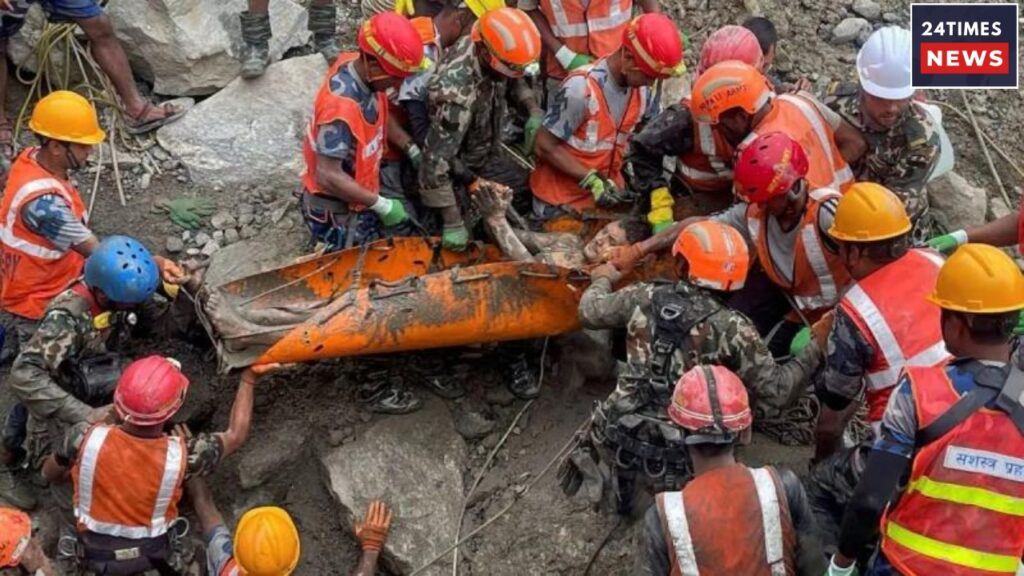
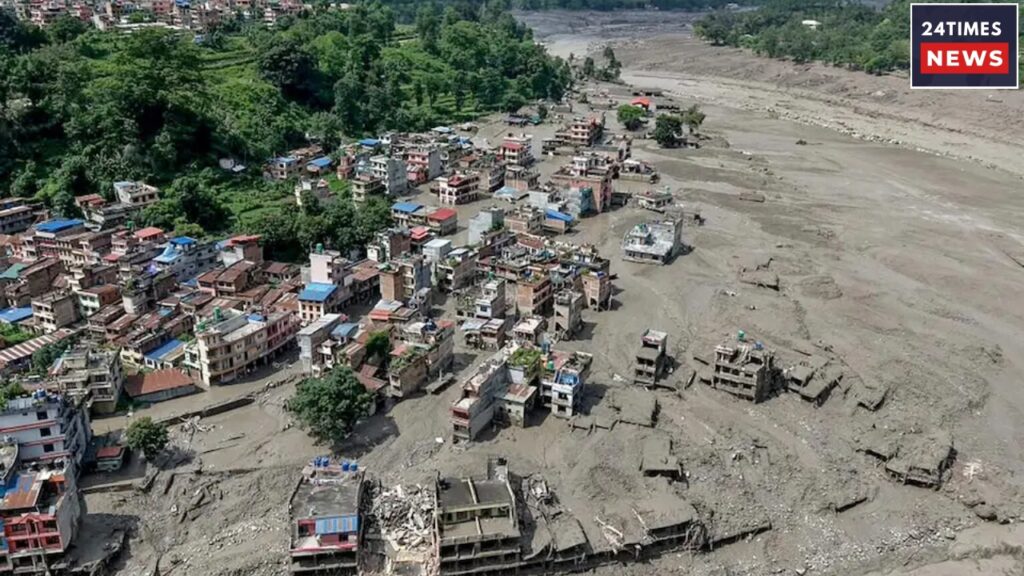
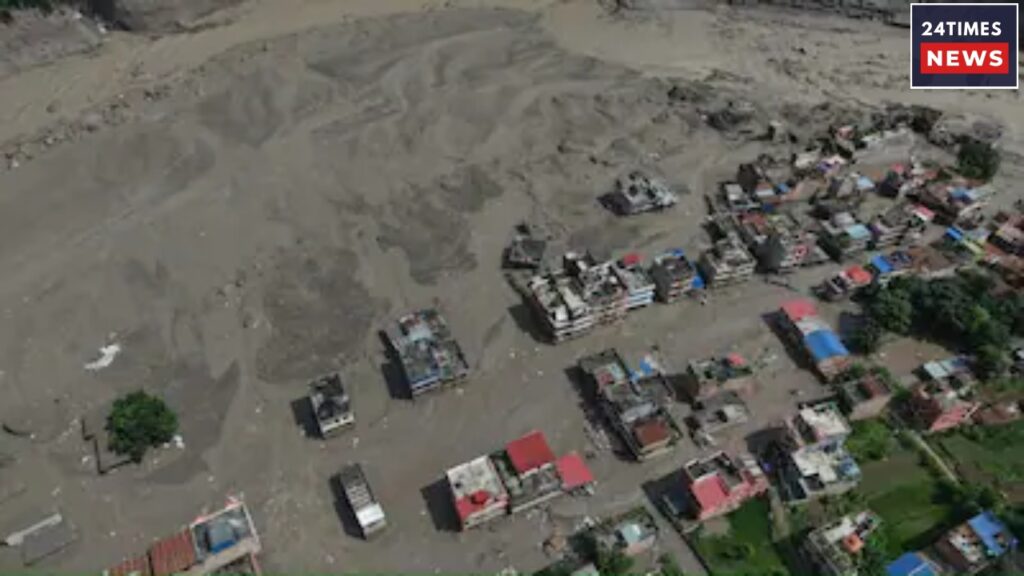
New Delhi: A glacier burst caused widespread devastation and chaos in Nepal. Rescue operations for those missing in the catastrophic floods are still underway. The death toll has risen to 1,344. According to the latest figures from the Nepal Police, 4,898 people are still reported missing; consequently, the death toll in Nepal is likely to increase further.
The bodies recovered from the debris include 489 men, 269 women, 52 boys, and 33 girls. Additionally, 501 bodies or partial remains have been recovered that have not yet been identified. DNA reports are being utilised to assist in the identification process. According to a report, approximately 618 foreign nationals are currently reported missing in Nepal.
Number of lives saved through rescue operations
Rescue operations are ongoing in the flood-affected areas. So far, 8,631 people have been safely rescued from the debris; this includes 7,387 Nepali citizens and 1,244 foreign nationals. Due to the floods, 3,655 people have been displaced and are currently housed in relief camps. Meanwhile, 1,030 of the recovered bodies have been disposed of through burial.
The process of collecting DNA samples to identify the deceased has also gained momentum, and the bodies are expected to be identified soon. To date, DNA samples have been collected from 1,260 deceased individuals and the relatives of 972 deceased persons—totalling 2,232 samples. According to the Nepal Police, details regarding the 1,270 unidentified individuals have been uploaded to a website to enable their families and concerned individuals to assist in the identification process.
When did the tragedy strike Nepal?
It is worth noting that a catastrophic disaster struck Nepal on August 26, 2026, causing immense devastation. The devastation was so severe that rescue operations are still underway. The flooding originated near the Nepal-Tibet border in the Langtang Lirung region, triggered by an ice-rock avalanche or a glacier collapse,pse causing sudden, violent floods in the Bhote Koshi, Trishuli, and associated rivers.
This caused massive destruction and loss of life across districts such as Rasuwa, Nuwakot, Dhading, Gorkha, Chitwan, and Nawalparasi. The disaster drew global attention to Nepal, prompting a widespread outpouring of aid and support.
India Continues to Provide Assistance
Nepal continues to grapple with the impact of floods, with relief and rescue operations proceeding rapidly. Meanwhile, India is consistently sending relief supplies, medical aid, and specialised rescue teams to the country. The Indian Embassy in Kathmandu is actively engaged in search and recovery efforts. Addressing a question regarding Nepal seeking compensation from India, China, and the US—citing their significant contributions to climate change Spokesperson Jaiswal stated that, as a close friend, India is continuously striving to provide necessary assistance to Nepal.