
Table of Contents
From NEET to campus disputes, student issues are once again at the centre of politics
Issues related to campuses and education are once again rapidly gaining ground in the country’s politics. Medical entrance exam, law university convocation, recruitment test or a dispute related to campus land- at first glance, all these may seem to be different events. But a common political thread runs through them. Questions related to NEET students are no longer limited to universities or examination centres, but are becoming a part of political debate.
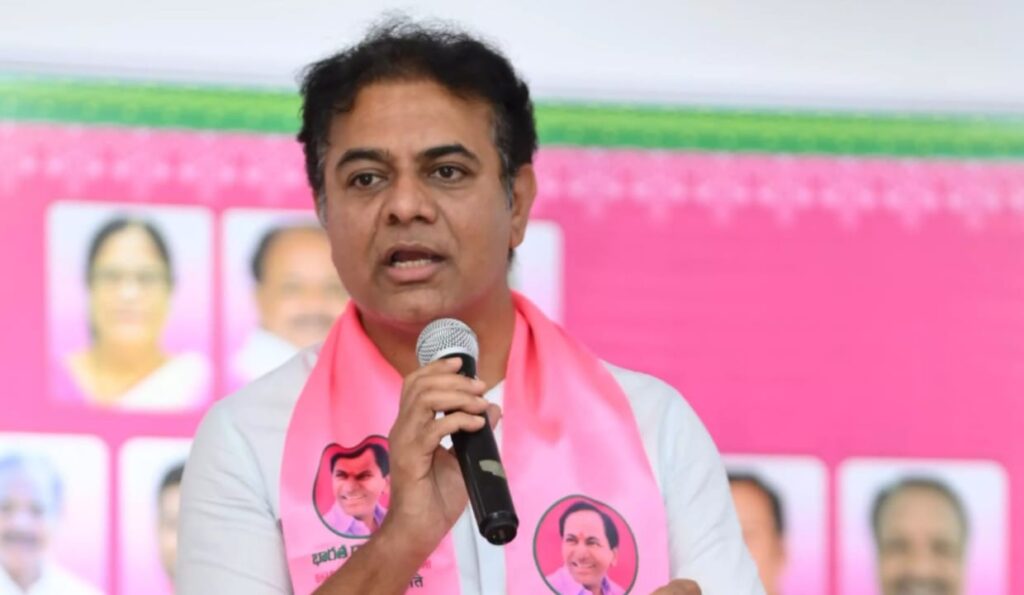
This change is especially visible in South India. Here young political faces are trying to directly raise issues related to students. Issues such as examinations, employment, campus autonomy, accountability of institutions and the right of NEET students to express their views are now finding greater space in political speeches and movements.
This change is not just a strategy of the leaders. There is also growing restlessness among students and youth behind this. Delays in competitive exams, questions over the recruitment process, rising cost of education and controversies over university decisions have raised a number of concerns among the youth. Political parties can no longer ignore these issues.
The protests surrounding NEET brought these concerns into national discussion. Although it may have started with alleged irregularities in the examination and related questions, gradually the debate moved beyond the NEET examination system and reached institutional trust and government accountability.
The NEET controversy brought student voices to the center of political debate.
The protests surrounding NEET demonstrated how quickly an education issue can escalate into a widespread political movement. The questions raised among students regarding the examination process and its results not only led to discussions on the education system but also brought the accountability of the government and the concerned institutions under question.
A section of students has been raising the question that if allegations of large-scale irregularities or malpractices are made in any examination, then its impact is not limited to only a few candidates. The hard work of millions of students, the financial investment of their families and their future are linked to it.
For this reason, the issue of NEET gradually became important for political parties also. Opposition leaders linked it to the government’s accountability, while the government presented its position regarding the examination system and investigation. This entire development made it clear that education issues related to young voters can now play an important role in electoral and political discussions.
Young leaders in South India are linking NEET student issues with politics.
A new style of young leaders is emerging in South Indian politics. Instead of limiting their politics to traditional ethnic, regional or ideological issues, these leaders are also making everyday issues related to students and youth a part of the political debate.
Issues related to examination and employment are the most prominent among these. For the youth, government job is not just an employment option but is also linked to economic stability and social security. When a recruitment exam is delayed or a controversy arises over the result, it directly impacts thousands of candidates.
This is why young leaders are now trying to reach out to the students themselves instead of leaving these issues to the NEET student organisations alone. This is also changing the language of politics. Along with larger ideological issues, questions are now being asked about when exams will be held, when jobs will be available, how independent universities will be, and how much of the students’ voice will be heard in the decisions of institutions.
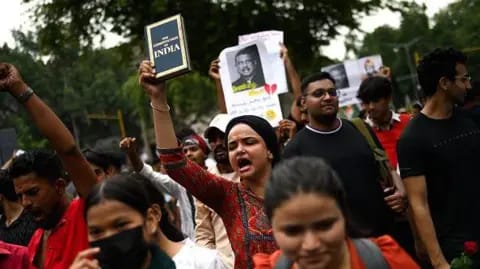
Campus autonomy and institutional accountability have also become major issues.
Political controversies surrounding education are not limited to exams and jobs. The autonomy of universities and the accountability of institutions are also constantly being discussed.
Be it an administrative decision in a university, a dispute over land or differences between students and the institution – political parties and leaders now appear to be more active in such matters. One reason for this is that campus has long been considered a place for the formation of political ideas of youth.
But in today’s politics the role of campus seems to be changing. Students are emerging not just as supporters of any ideology or party, but as citizens who raise questions on issues related to their rights and future.
Young leaders are trying to understand this changing role. For him, campus is no longer just a place to deliver election speeches, but is becoming an important medium to understand the concerns of the youth and convert them into political issues.
Why is the question of recruitment exams and jobs important?
The relationship between education and employment is becoming one of the most important issues in youth politics. The process of recruitment examinations is very important for the youth looking for employment opportunities after obtaining a college degree.
When there is a delay in conducting exams, results are not declared for a long time or questions are raised on the recruitment process, it is natural for dissatisfaction among the youth to increase. This dissatisfaction also becomes an important issue for political parties.
Young leaders in South India are trying to connect themselves with the concerns of the new generation by raising these questions. This is shifting the focus of their politics beyond mere traditional power struggles to more direct issues like education and employment.
However, merely raising students’ issues will not be enough. To build political credibility among the youth, leaders will also have to explain how they will solve these problems if they come to power.
Is campus politics again influencing national politics?
Campus politics has a long history in India. Many prominent political leaders have emerged from student politics or universities to reach national and state politics. But in the last few years, the way education-related issues have become part of broader political movements, the political role of the campus seems to be strengthening again.
The NEET controversy is an example of this. Grievances about the exam gradually escalated into student protests, political party reactions, and debates in Parliament. This shows that the impact of any education issue can no longer be limited to the academic system alone.
Young leaders of South India are trying to make their place in this changing political environment. The challenge before them is to not only use the students’ anger for political rhetoric, but also to transform it into a concrete policy debate.
Education and employment could be the next focus of youth politics.
The growing political importance of issues related to students and young voters in South India indicates that education and employment could become important political centers in the future.
From medical entrance exams to recruitment tests, from university autonomy to campus disputes, these issues reflect a common concern: young people want answers about their future and the credibility of their institutions.
This is both a big opportunity and a challenge for young leaders. Reaching out to students may be easy, but maintaining their trust in the long run will only be possible if political parties work on their issues continuously, not just during protests.
Campus politics is making a comeback, but this time its form need not be the same as before. The politics of the new generation may focus more on direct questions like exams, jobs, fees, institutional independence and accountability rather than big slogans. The activism of young leaders in South India can be considered an initial glimpse of this change.