Table of Contents
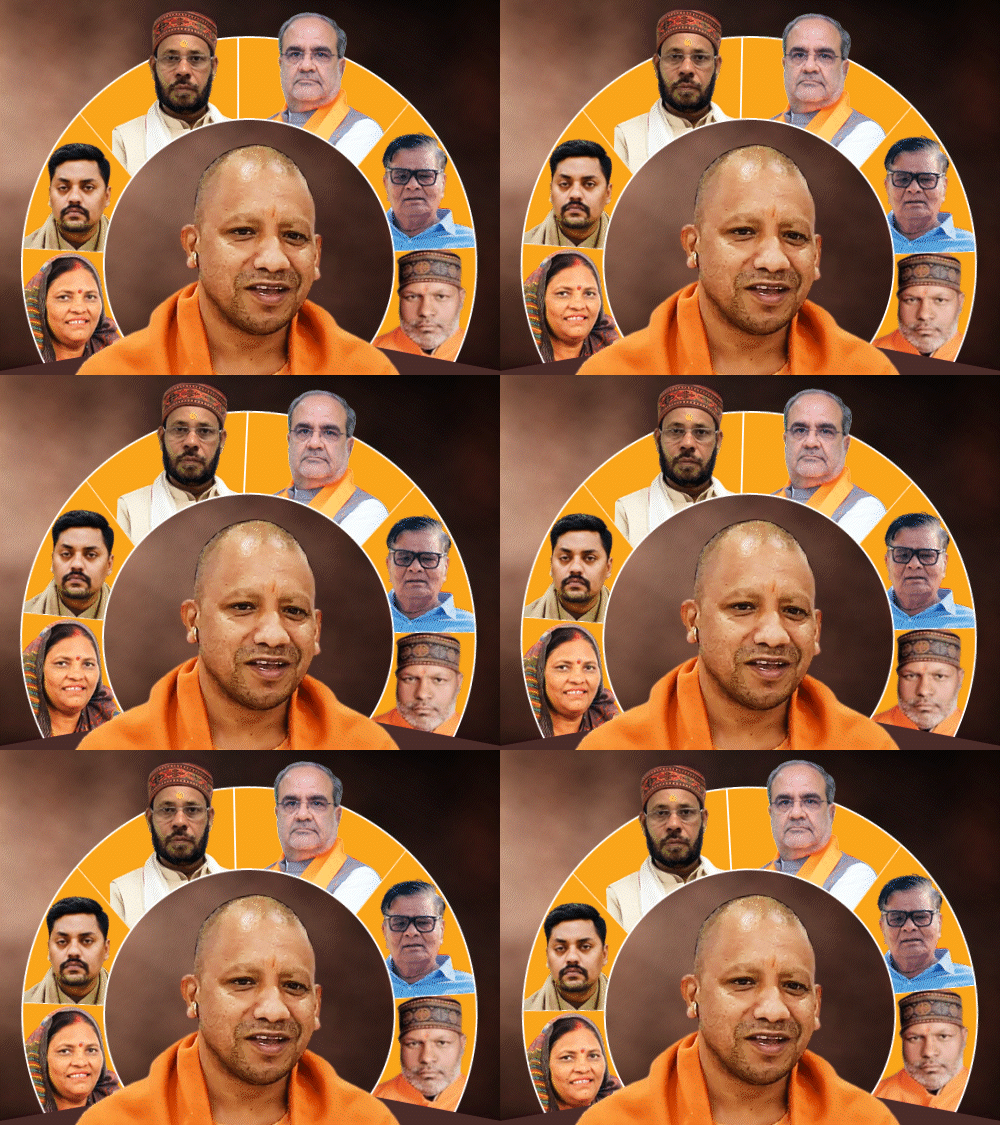
Trend of party-hopping is increasing in UP politics, with one in three leaders switching parties.
The trend of party-hopping in UP politics has once again become a topic of discussion. According to available political data, almost one in every three prominent leaders of the state has changed party at least once in his political career. These include 122 MLAs, while some leaders even changed their political party five times. This situation shows that in the politics of Uttar Pradesh, the importance of electoral equations and political opportunities has increased more than ideological commitment.
Being the largest state in the country, the politics of UP also has a deep impact on national politics. Apart from BJP, Samajwadi Party, Bahujan Samaj Party and Congress, many regional parties are active here. From time to time, leaders have decided to change parties keeping in mind the changing political situation, ticket distribution, change of power and personal political future.
Defection is not a new phenomenon, but its pace has increased in the last few decades. There have been many leaders who left one party and joined another and later joined a third party. In some cases, leaders also returned to their old party. This has also raised questions on political stability, voter trust and democratic values.
Political analysts believe that social equations, caste politics and possibilities of change of power have been the main reasons for defection in Uttar Pradesh. At the same time, many leaders see it as a strategy to maintain their political existence and public representation.
122 MLAs have changed political parties.
According to available data, 122 current or former MLAs from UP have changed parties at least once during their political careers. Among these, some leaders joined different political parties two or three times, while some even five times.
Several reasons lie behind these party-switching incidents.
Many times, when leaders do not get tickets before the elections, they join other parties. In some cases, even after the change of power and the political situation, the leaders joined the new party. At the same time, some leaders also cited ideological differences or organizational dissatisfaction as reasons.
Almost all the major political parties in UP have given tickets to leaders from other parties from time to time. This makes it clear that defection was not limited to any one party, but almost the entire political system of the state was a part of it.
Political experts say this trend impacts election strategies. However, maintaining public trust is also a big challenge for leaders who change parties.
What impact does this have on democratic politics and voter trust?
The frequent incidents of changing parties raise questions on the political commitment of public representatives in a democratic system. Voters often support a candidate based on his party affiliation, ideology and election promises. In such a situation, when a leader changes parties repeatedly, a situation of confusion and dissatisfaction may arise among the voters.
On the other hand, some political analysts argue that in a democracy any leader has the right to choose his own political path. If the working conditions in a party are not favourable or there are differences of opinion, then changing the party comes under the scope of democratic rights.
Nevertheless, frequent defections can impact political stability and public trust. This is why political and constitutional debates have been taking place on this issue from time to time.
Electoral politics in Uttar Pradesh is constantly changing.
New social alliances, regional equations and possibilities of power shifts influence the political decisions of leaders. Many leaders decide to change parties in view of better electoral prospects in their area.
Defections can also result in electoral gains or losses for political parties. The joining of an influential leader can strengthen the party at the local level, whereas the departure of a big leader can also cause a setback to the organization.
However, it is not easy to win elections even after changing parties. Ultimately, it is the voters who decide whether to accept a leader’s decision or not. Therefore, maintaining public support after defection is the biggest test for the leaders.
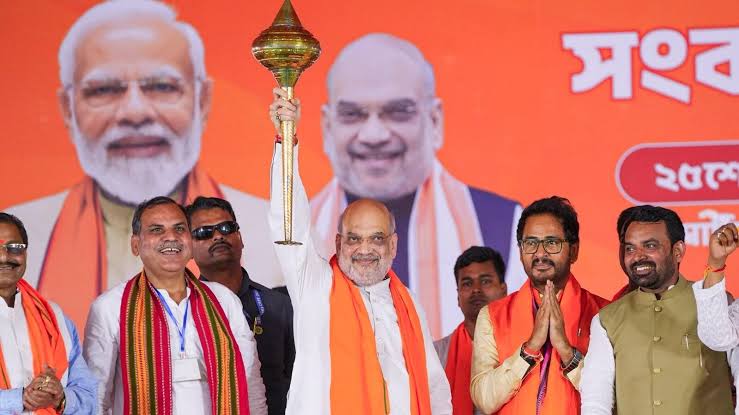
Why does the debate on defection remain important in Uttar Pradesh politics?
Defection has been an important issue in Uttar Pradesh politics for a long time. The defection of 122 MLAs and some leaders changing parties up to five times shows the prevalence of this trend. This situation shows that electoral strategies, organisational changes and power equations keep changing continuously in the state politics.
Different political parties and experts have their own opinions on this issue. While some consider it a democratic right, others link it to voters’ mandate and political morality.
Defection may remain an important issue in the politics of Uttar Pradesh in the times to come. This issue will continue to influence the state’s politics with changing electoral circumstances, political alliances and leadership.