Table of Contents
What has changed since Kakoli Ghosh was recognised as the NCPIP chief?
Political activities have intensified after Kakoli Ghosh was recognised as the NCPIP chief in parliamentary politics. Parliamentary Affairs Minister Kiren Rijiju has invited him for the all-party meeting. This development comes at a time when preparations are underway for political dialogue between the government and the opposition ahead of the monsoon session of Parliament.
With Kakoli Ghosh being recognised as the NCPIP chief, she can now be included in important meetings with opposition parties. The all-party meeting is considered an important platform to create coordination between the government and various political parties before the Parliament session.
In the all-party meeting, discussions are held regarding the upcoming work of the Parliament, important issues and smooth running of the proceedings of the House. In such a situation, Kakoli Ghosh getting the invitation is being considered important from both political and parliamentary point of view.
This development is also important for the parliamentary role of NCPIP. After a party leader receives formal recognition, the situation regarding his role and political representation in Parliament becomes clearer. Rijiju’s invitation to Kakoli Ghosh for the meeting can be seen as an attempt by the government to take all major political parties along. However, during the Parliament session, there is a possibility of heated debate between the government and the opposition on various issues.
Many political and public interest issues are likely to be raised by the opposition parties. In such a situation, the all-party meeting also provides an opportunity to discuss the issues of possible conflict between the government and the opposition before the session.
At present, the recognition of Kakoli Ghosh as the NCPIP chief and the subsequent invitation to the all-party meeting is being considered an important development in parliamentary politics. Now her role in the meeting and the issues raised by the party will be monitored.
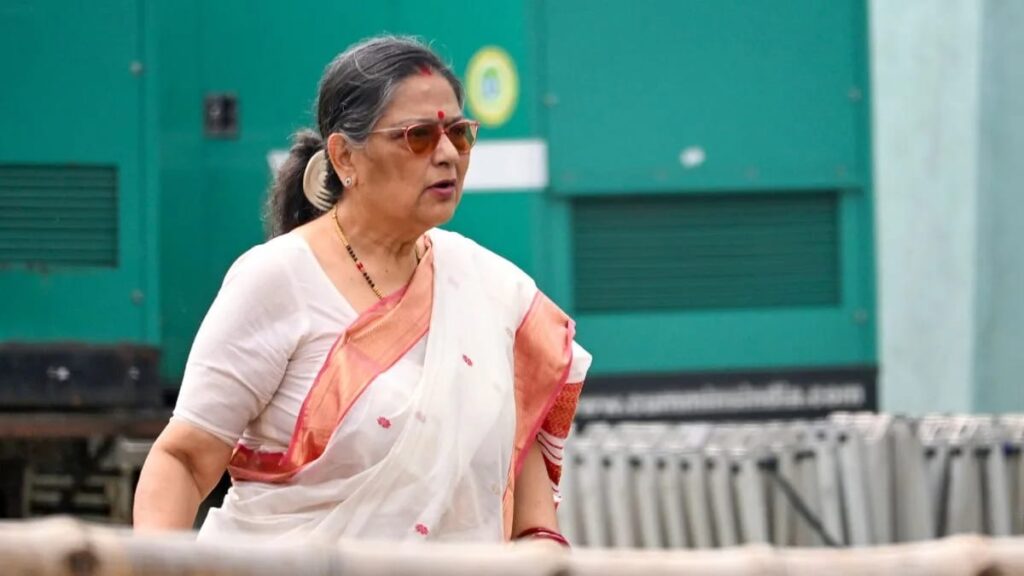
What is the political significance of calling Kakoli Ghosh to the all-party meeting?
Kakoli Ghosh’s invitation to the all-party meeting after being recognised as the NCPIP chief is being considered important in parliamentary politics. In such meetings held before the Parliament session, important issues are discussed between the government and various political parties.
The invitation suggests that Kakoli Ghosh is now being accorded a formal role as the party’s principal representative at the parliamentary level. This will enable the party’s voice to be heard in important discussions with the government and other political parties.
The meeting, organised by Parliamentary Affairs Minister Kiren Rijiju, is likely to discuss the upcoming business of Parliament and issues related to the session. The government usually tries to establish communication with all the parties before the session and reach a consensus to run the proceedings of the House smoothly.
However, it is not necessary that the political differences between the government and the opposition in Parliament will end after the meeting. But the all-party meeting definitely gives an opportunity to the political parties to put forward their issues.
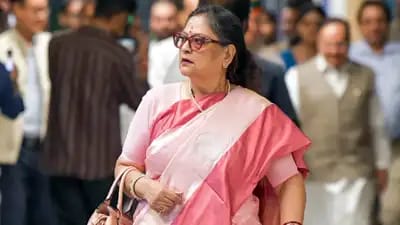
Why is this development significant regarding the parliamentary role of NCPIP?
The recognition of Kakoli Ghosh as NCPIP chief is significant for the parliamentary role of the party. Once a key representative of a political party receives formal recognition, her participation in parliamentary dialogue and meetings becomes more visible.
Now Kakoli Ghosh can raise important parliamentary and political issues on behalf of the party. This will provide the party a formal platform for dialogue with the government and other opposition parties.
There is a possibility of debate between the government and the opposition on many issues in the upcoming Parliament session. In such a situation, there will be political scrutiny on the strategy of NCPIP and the role of Kakoli Ghosh.
Her participation in the all-party meeting will be an opportunity for the party to put forth its priorities. Now it remains to be seen which issues NCPIP raises prominently during the meeting and what will be its political strategy during the Parliament session.
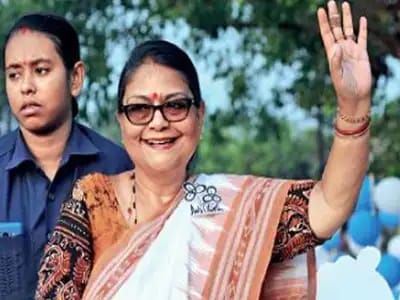
What will change between the government and the opposition after Kakoli Ghosh gets recognition?
With Kakoli Ghosh being recognised as the NCPIP chief, the situation regarding the party’s parliamentary role has become more clear. Her invitation to the all-party meeting is an indication that the party is now being formally included in the political dialogue related to Parliament.
There is a need for discussion on many issues between the government and the opposition before the monsoon session of Parliament. In such a situation, Kakoli Ghosh’s participation will give NCPIP an opportunity to put forward its priorities and political issues directly before the government.
However, attending an all-party meeting does not guarantee consensus between the government and the opposition. Different parties in Parliament support or oppose the government according to their political interests and issues. Nevertheless, pre-session communication often helps to understand potential conflict issues.
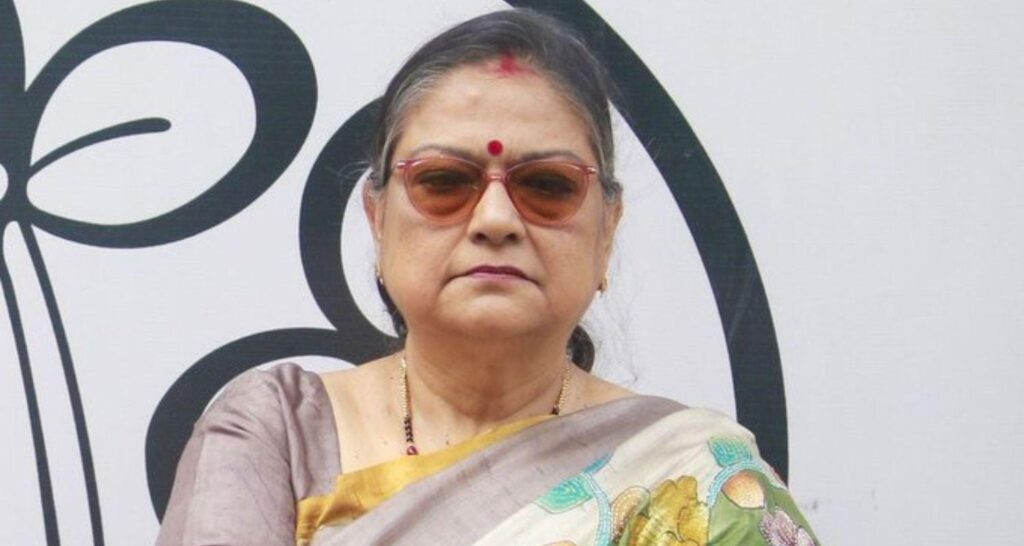
What’s next? The NCPIP’s strategy will be closely watched during the Parliament session.
Following the recognition of Kakoli Ghosh, the NCPIP’s role during the Parliament session will now be under political scrutiny. The issues the party prioritises and its stance on the government’s legislative agenda will be important in parliamentary politics.
After participating in the all-party meeting, the party will get an opportunity to further its political dialogue with the government and other political parties. Apart from this, the party can also clarify its strategy regarding the issues to be raised in the Parliament.
Coordination among opposition parties could also be important in the upcoming session. If different parties take a common stand on an issue, political pressure on the government may increase. At the same time, it will be a challenge for the government to answer the questions of the opposition while carrying forward its work in the House.
At present, the recognition of Kakoli Ghosh as the NCPIP chief and the invitation to the all-party meeting are being considered important steps for the parliamentary role of the party. Now everyone will be keeping an eye on his activism and the party’s political strategy in the upcoming Parliament session.