Table of Contents
Why are AAP and the Central Government at odds over E20 petrol?
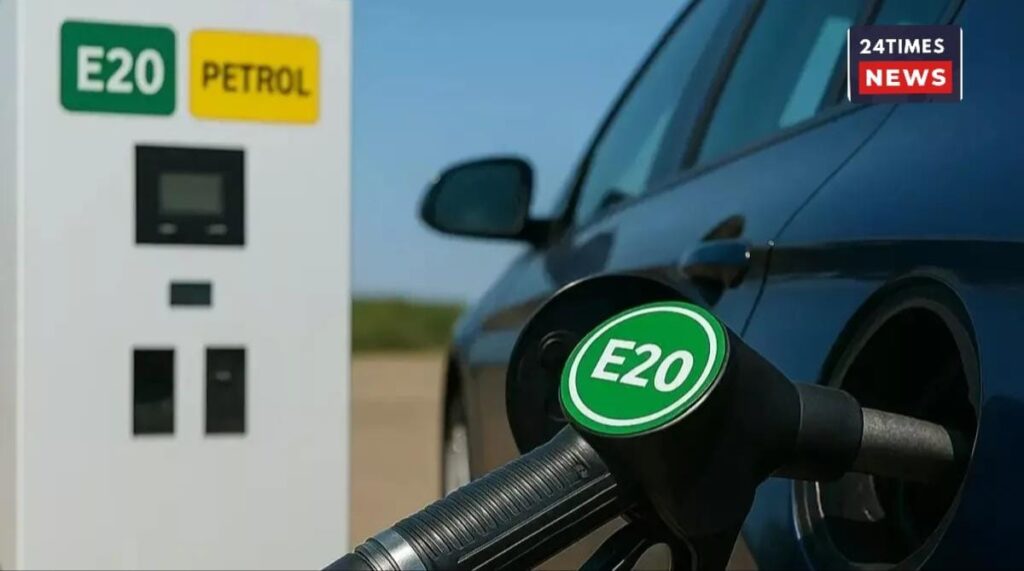
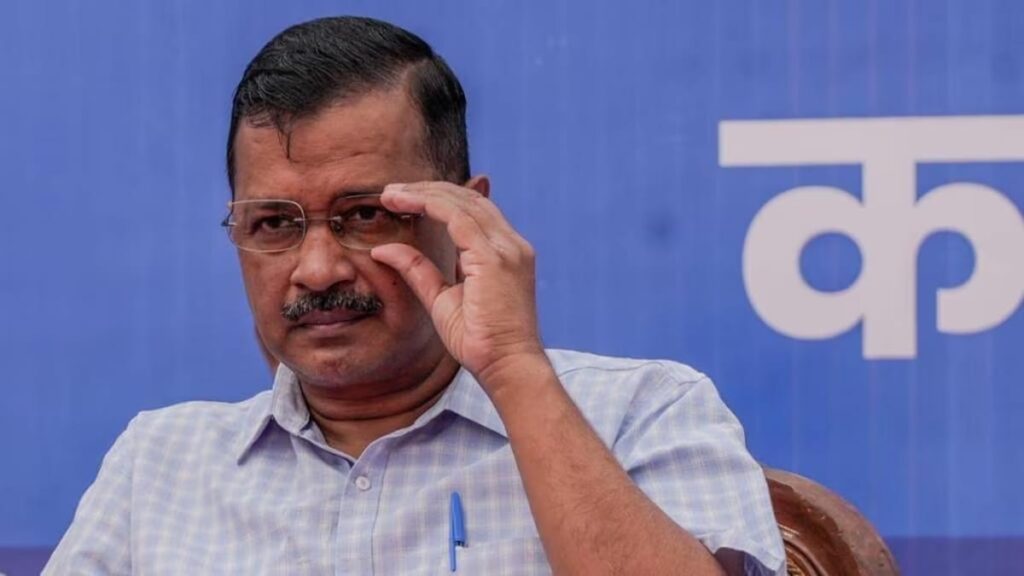
The political debate between the Aam Aadmi Party (AAP) and the Central Government has once again intensified over E20 petrol. The Aam Aadmi Party questioned the central government’s fuel policy by sharing a receipt from an alleged ‘BJP petrol pump’ on social media. The party’s national convener, Arvind Kejriwal, claimed that E20 petrol could affect the mileage and engine performance of vehicles. He also reiterated the demand to give consumers the option to choose fuel.
Kejriwal said that if any vehicle develops a technical problem due to the use of E20 petrol, then who will take responsibility for it. They argue that the concerns of owners of vehicles that are not fully designed to be compatible with E20 fuel should be taken seriously. He demanded the government to have a clear policy on this issue and provide options to the consumers.
On the other hand, the central government has consistently maintained that the E20 fuel program aims to reduce dependence on fossil fuels by increasing the blending of ethanol in petrol by 20 percent, reduce pollution, and reduce expenditure on crude oil imports. The government also says that automobile manufacturers are gradually developing vehicles that are compatible with E20 fuel.
The debate over E20 petrol is not only political but also related to technical and economic aspects. While the government is calling it an important step towards green energy and energy security, the opposition says that the practical concerns of consumers and the problems of vehicle owners should also be given equal importance.Experts believe that along with political rhetoric, discussions on such issues are also necessary based on scientific facts, advice from vehicle manufacturers and official technical standards. This will provide correct information to consumers and will also reduce unnecessary confusion regarding fuel policy.
Why is the controversy over E20 petrol increasing?
The differences between the government and the opposition regarding E20 petrol are continuously deepening. Aam Aadmi Party says that consumers should have the right to choose the fuel suitable for their vehicle. The party argues that if a vehicle manufacturer has not explicitly recommended E20 fuel for a model, vehicle owners’ concerns should be taken seriously.
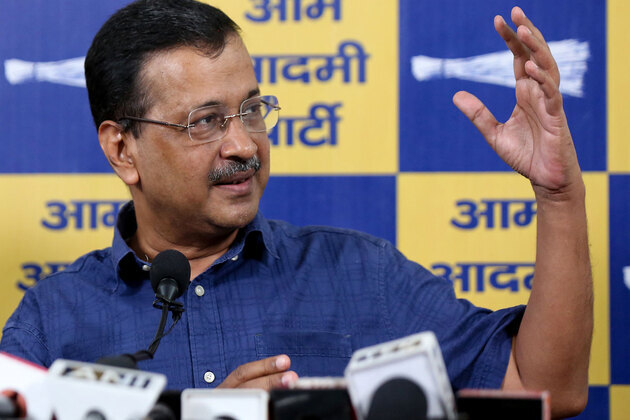
Arvind Kejriwal once again raised the issue of mileage and engine safety and sought an answer from the central government as to who will take responsibility if any vehicle develops a technical problem due to the use of E20 petrol. The Aam Aadmi Party also launched a political attack on the government’s fuel policy by sharing a receipt from an alleged “BJP petrol pump” on social media.
At the same time, the Central Government says that ethanol blended fuel is important for the energy security of the country. According to the government, this will reduce dependence on crude oil imports, save foreign exchange and also reduce pollution. The government has also been saying that the automobile industry is gradually developing vehicles that are E20 fuel compliant.
What is the big question amidst technical debate and political allegations?
The debate over E20 petrol is no longer just political. Technical, economic and environmental aspects are also associated with it. Experts say that the technical capabilities of old and new vehicles may vary, hence vehicle owners should follow the advice and official guidelines of the manufacturing companies.
At the political level, the opposition is demanding a choice for consumers, while the central government says ethanol blending is an important part of India’s long-term energy goals. In such a situation, this issue may remain a topic of political and public discussion in the times to come.
At present, both the parties are putting forward their arguments regarding E20 petrol. Ultimately, the success of this policy will be assessed based on its practical impact, consumer experience and technical data.
What do the different arguments of the government and the opposition say?
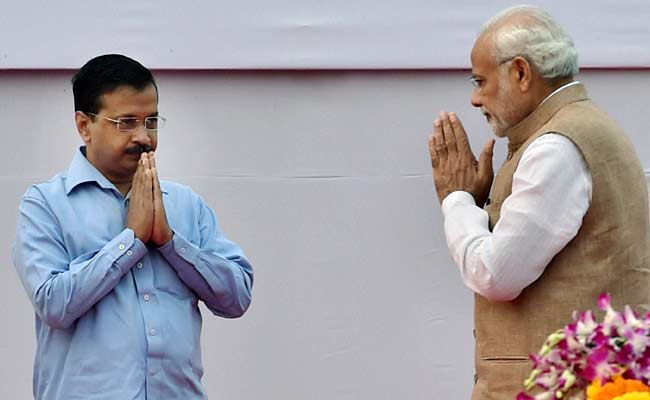
The arguments of the government and the opposition regarding E20 petrol are different. The central government says that increasing ethanol blending will strengthen the country’s energy security, reduce expenditure on oil imports and help in environmental protection. The government has been working on a policy to promote alternative fuels for a long time and considers this an important step in that direction.
On the other hand, Aam Aadmi Party says that while implementing any new fuel policy, practical problems of consumers and concerns of vehicle owners should be given priority. The party argues that if not all vehicles are fully suitable for E20, people should be given the option to choose the fuel as per their requirement. Political analysts believe that this debate may remain important in the future in terms of both energy policy and consumer rights.
In which direction will the debate on E20 petrol proceed?
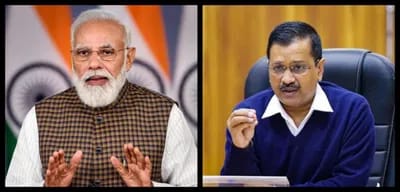
The controversy that started over E20 petrol has now become a topic of discussion at all three levels – policy, environment and politics. On one hand, the Central Government is calling this scheme necessary for future energy needs, while on the other hand, the opposition is making the concerns of consumers the main issue. In the coming times, guidelines issued by the government on this subject, technical advice from automobile companies and experiences of consumers will play an important role.
Experts believe that the success of any new fuel policy depends not only on its objective but also on its effective implementation and public confidence. If the government and the concerned agencies provide factual solutions to the doubts of the consumers, then this debate can get a balanced direction.
At present, the issue of E20 petrol has moved beyond political rhetoric and has become a part of the national energy policy. In the coming days, it will be important to see in which direction the dialogue between the government and the opposition on this issue progresses and what steps are taken keeping in mind the interests of consumers.