Table of Contents
The Supreme Court’s blunt comment on the Karur stampede case, stating that the judiciary cannot become a political platform.
During the hearing of the petition filed in the Karur stampede case, the Supreme Court made a comment that sparked a new debate in both legal and political circles.
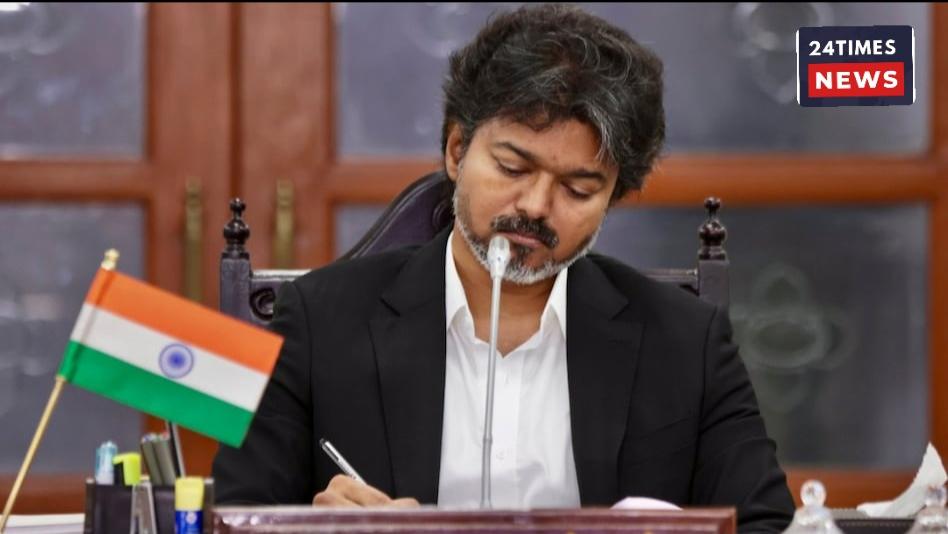
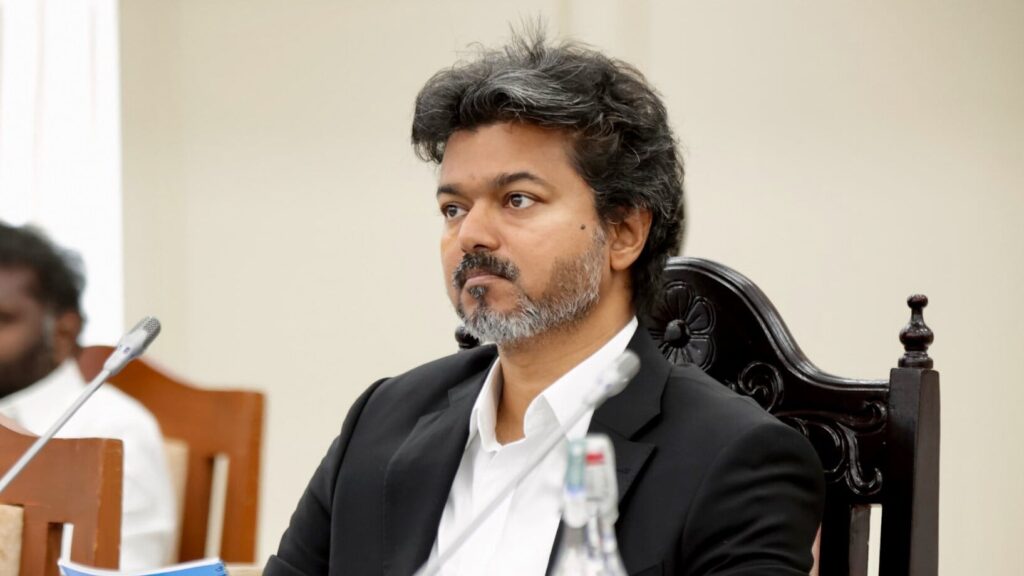
The court dispersed the DMK’s request seeking to hold back Tamilaga Vetri Kazhagam (TVK) chief and Chief Minister C. Joseph Vijay and his party leaders from meeting with the victim families.
During the hearing, the court clearly stated that it cannot interfere in such political disputes. The bench remarked, “Should we regulate the Chief Minister?” This question itself was an indication that the court could not become an institution to monitor the political or administrative behavior of the government. The court also said that there should be no attempt to convert the Supreme Court into a political platform.
The court believed that if a public representative goes to meet the victims of an accident, the question of imposing a judicial stay on that basis alone does not arise. The judiciary refrains from interfering in such matters unless there is a clear violation of a constitutional or legal right.
After this decision, the round of allegations and counter-allegations intensified in Tamil Nadu politics. The DMK justified its legal stand, while the TVK called it a victory for democratic rights. Political analysts say that the court order is not limited to this case only, but it also clarifies the boundaries between the judiciary and politics.
At present, the investigation into the Karur stampede and issues related to relief to the affected families are going on under a separate process. During this time, the court’s comment has given the message that political differences should be resolved not through the court but through democratic and constitutional process.
What was the request in the DMK petition and why did the Supreme Court reject it?
The DMK, in its petition filed in the Supreme Court, had requested that Chief Minister C. Joseph Vijay and TVK leaders be prevented from meeting or interacting with the families of the victims of the Karur stampede. The petitioner argued that this could affect the investigation process and the fairness of the case.
However, the Supreme Court did not agree with this argument. The court said that a Chief Minister or a political leader meeting the families of the victims is not in itself an act which should be judicially prohibited. The court also elucidate that its job was not to control political activities.
During the court hearing, the bench vocalised that if the court starts hindering in such matters, it will be made a manifesto for political battles, which is not in accordance with the spirit of the Constitution.
According to legal experts, the judiciary usually intervenes only in cases where there is a violation of fundamental rights, obstruction of the legal process or constitutional questions. In this case, the court did not find any basis on which the petition should be accepted.
Constitutional Significance of the Supreme Court’s Comment
The Supreme Court’s comment is not limited to a single petition, but is also considered significant in the context of the constitutional role of the judiciary. The court clearly indicated that it is not the function of the judiciary to conduct or control political activities.
Under the Indian Constitution, the powers of the executive, legislature and judiciary are separately determined. This arrangement causes courts to refrain from interfering in ordinary political activities unless a clear legal or constitutional question arises.
Experts believe that this comment has once again underlined the principle of balance of powers between institutions.
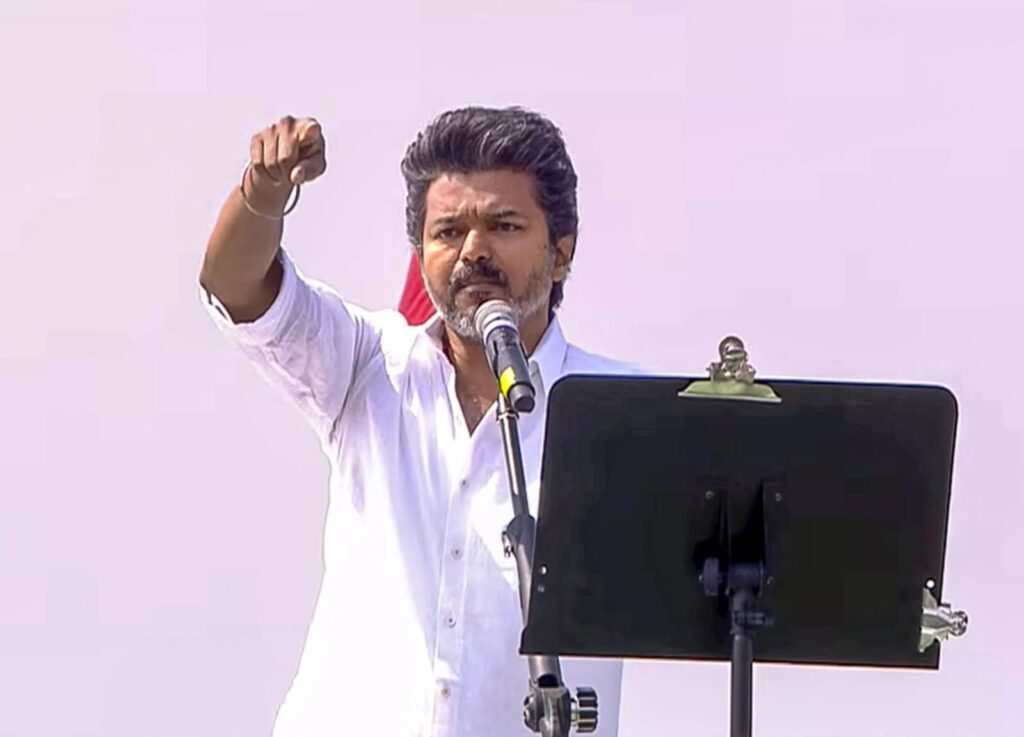
Why did Tamil Nadu politics heat up after the Karur stampede?
After the Karur stampede incident, political parties reacted in different ways. The government kept talking about relief and investigation, while the opposition raised questions of administrative responsibility and accountability. Meanwhile, a new political controversy erupted over Chief Minister C. Joseph Vijay’s programme to meet the families of the victims.
The DMK decided to take it to the judicial level, but the Supreme Court did not accept its demand. After this, both the parties interpreted the decision in their own way. The TVK described it as respect for democratic rights, while the DMK tried to justify its legal stand.
Political analysts believe that political competition in Tamil Nadu is no longer limited to election speeches. Legal battles are also being seen in the courts regarding many sensitive matters. However, experts also say that the judiciary cannot be expected to resolve every political dispute.
The core issue of the Karur stampede is justice to the victim families and a fair investigation into the incident. Therefore, along with political rhetoric, the public is also keeping an eye on administrative action and the progress of the investigation.
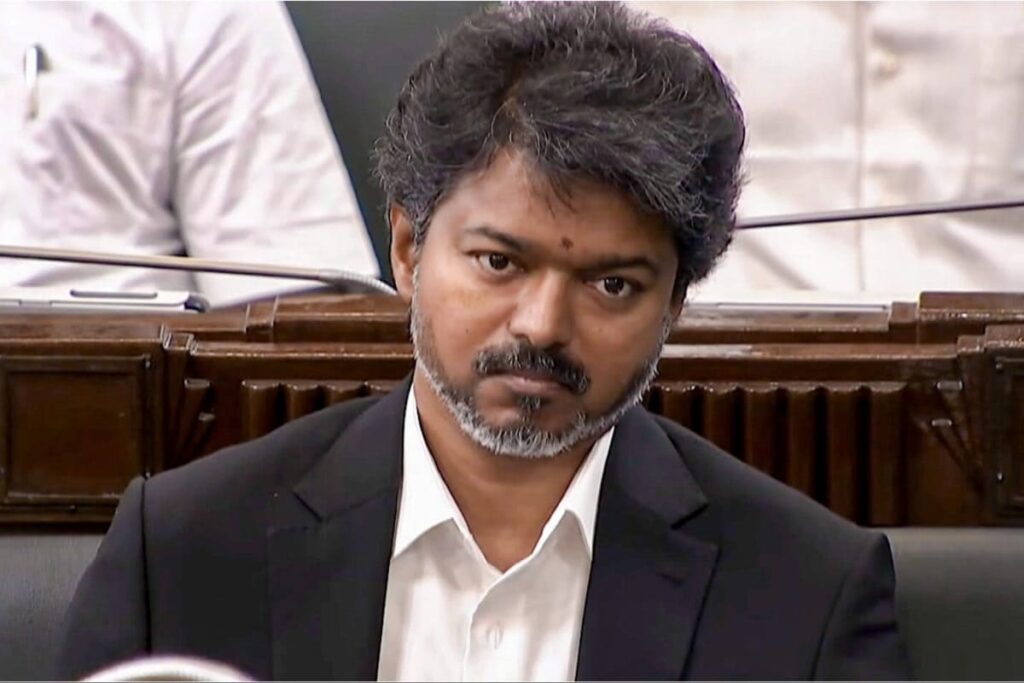
The Court’s message- political disputes must be resolved through democratic processes.
The Supreme Court’s decision in the Karur stampede case is not limited to dismissing a petition. This decision has also clarified the role of the judiciary and its constitutional limits. The court clearly said that it cannot become an institution controlling political activities. This is being considered the most important message of this decision.
It is normal for there to be differences between political parties in a democratic system. Sometimes, these disagreements even reach the courts. But the judiciary does not interpret every political disagreement. The court interprets only in cases where there is a clear question of law, the Constitution or fundamental rights.
In this case, the court held that a meeting by a Chief Minister or a political leader with the families of the victims is not in itself a ground for a judicial stay. This also made it clear that the roles of the judiciary and the executive are different and respect for the jurisdiction of both is a basic requirement of a democratic system.
Political researcher say that after this decision, political debate may continue in Tamil Nadu for some time. However, ultimately this decision has made it clear that the biggest platform for political competition is the public and elections, not the courts.
Now, all eyes will be on the investigation into the Karur stampede, the assistance provided to the affected families and the government’s further action. At the same time, the Supreme Court‘s comment can also be seen as an important judicial reference in such cases in the future.