Table of Contents
Samajwadi Party eyes Dalit vote bank, will the new strategy change the electoral picture of Uttar Pradesh?
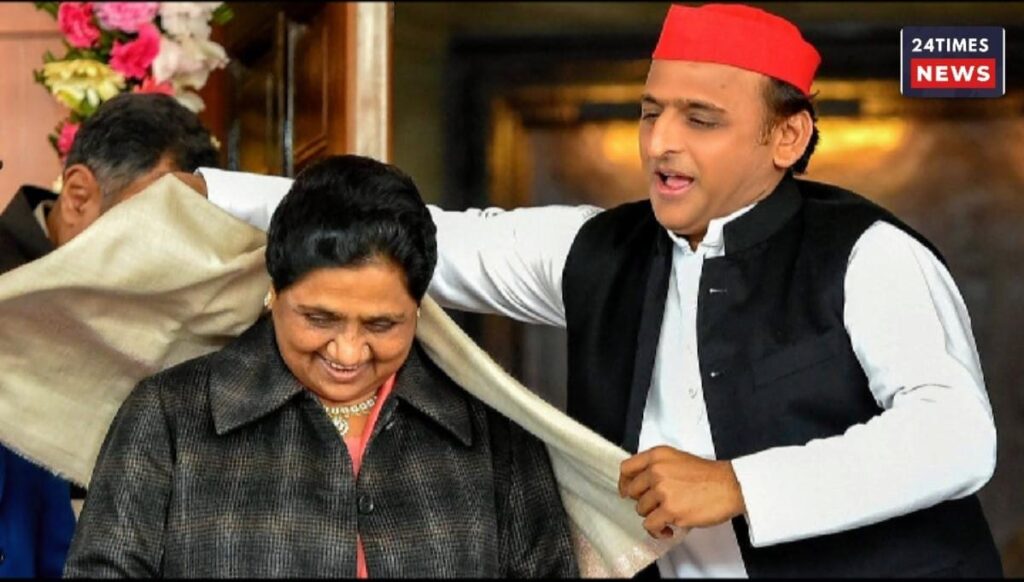
Before the assembly elections, the discussion on social equations has once again intensified in the politics of Uttar Pradesh. Samajwadi Party (SP) president Akhilesh Yadav is reportedly working on a strategy to field a large number of Dalit candidates. There is talk in political circles that the party may be preparing to field around 100 Dalit candidates. However, the party has not yet released a final list of candidates.
Political researcher believe that if this happens, its aim will not only be to increase the number of candidates but also to strengthen its acceptance among Dalit voters. Caste equations have always played a crucial role in the politics of Uttar Pradesh. In this type of situation, before every election, political parties try to build up their social base by including dalit votes.
This strategy is also being compared to SP’s ‘Ayodhya Model’. Samajwadi Party had achieved electoral success in Ayodhya Lok Sabha seat by balancing different social equations. Now the question arises whether the same kind of social engineering can prove effective in the entire Uttar Pradesh.
However, the political situation is different in Lok Sabha and Assembly elections. In assembly elections, many factors like local leadership, candidate’s image, regional issues and strength of the organization influence the results. Therefore, it would be premature to claim that any one model will give similar results across the state.
Political experts say that this move of SP can also be seen as an attempt to influence the traditional Dalit vote bank of Bahujan Samaj Party (BSP). At the same time, Bharatiya Janata Party has also been trying to strengthen its political hold among the Dalit community for the last few years. In such a situation, the competition for Dalit votes is likely to become more interesting in the upcoming elections.
In such a situation, it is clear that the coming assembly elections in Uttar Pradesh will not be limited only to issues like development and law and order, but social equations will also play an important role. Now it remains to be seen how the Samajwadi Party implements its strategy and how the voters view it.
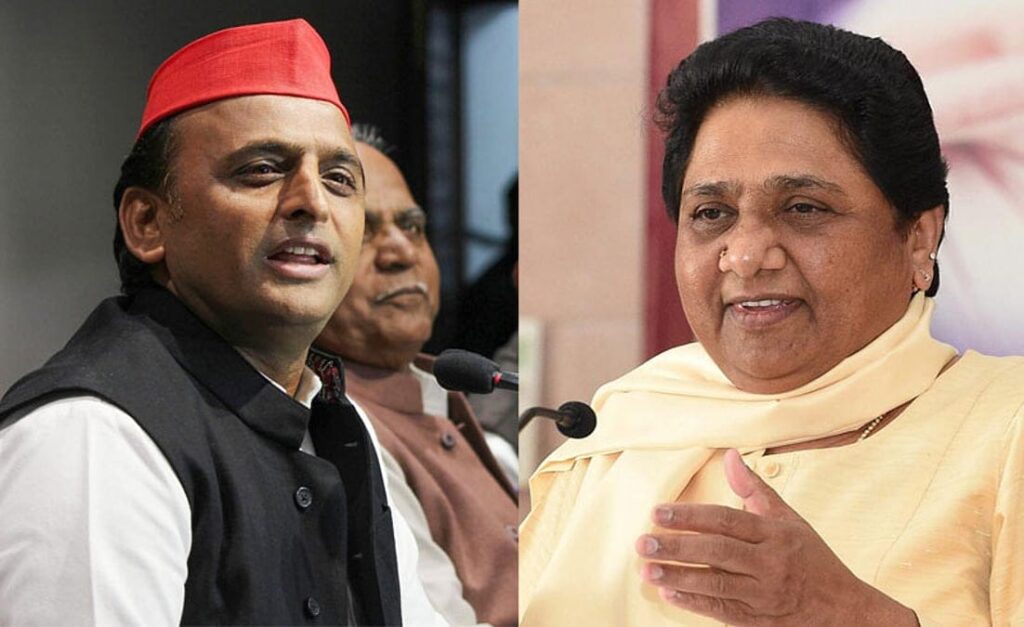
What is the ‘Ayodhya Model’?
The “Ayodhya Model” being discussed in political discussions refers to the Samajwadi Party’s strategy to build broad political support among various social groups. After the party’s success in the Ayodhya seat in the Lok Sabha elections, it was believed that SP effectively balanced the caste and social equations.
Now if the party fields a large number of Dalit candidates in the assembly elections, it can be considered an extension of the same strategy. According to political analysts, this could be aimed at sending a message that the Samajwadi Party does not want to be limited to its traditional vote bank, but also wants to strengthen its hold among other sections including the Dalit community.
However, it must also be kept in mind that the political scenario of assembly elections is different from that of Lok Sabha elections. Local conditions and the acceptability of the candidate in each seat also influence the results. Therefore, the success of any strategy can be assessed only after the election results are out.
Can the strategy of 100 Dalit candidates prove to be a game changer for SP?
Dalit voters have always played a decisive role in the politics of Uttar Pradesh. For a long time, a large section of this class was considered a strong base of the Bahujan Samaj Party (BSP), but in the last few elections, different parties have also tried to strengthen their hold among this social group.
In such a situation, if the Samajwadi Party fields a large number of Dalit candidates, it will not only be a decision of ticket distribution but will also be considered a broader political message. The party may be trying to signal that it prioritizes social representation and wants to give the Dalit community more leadership space.
However, political analysts believe that elections are not won only by the number of candidates. The local identity of the candidate, strength of the organization, election issues and trust of the voters are equally important. Therefore, the real success of this strategy will be clear only after the election results.
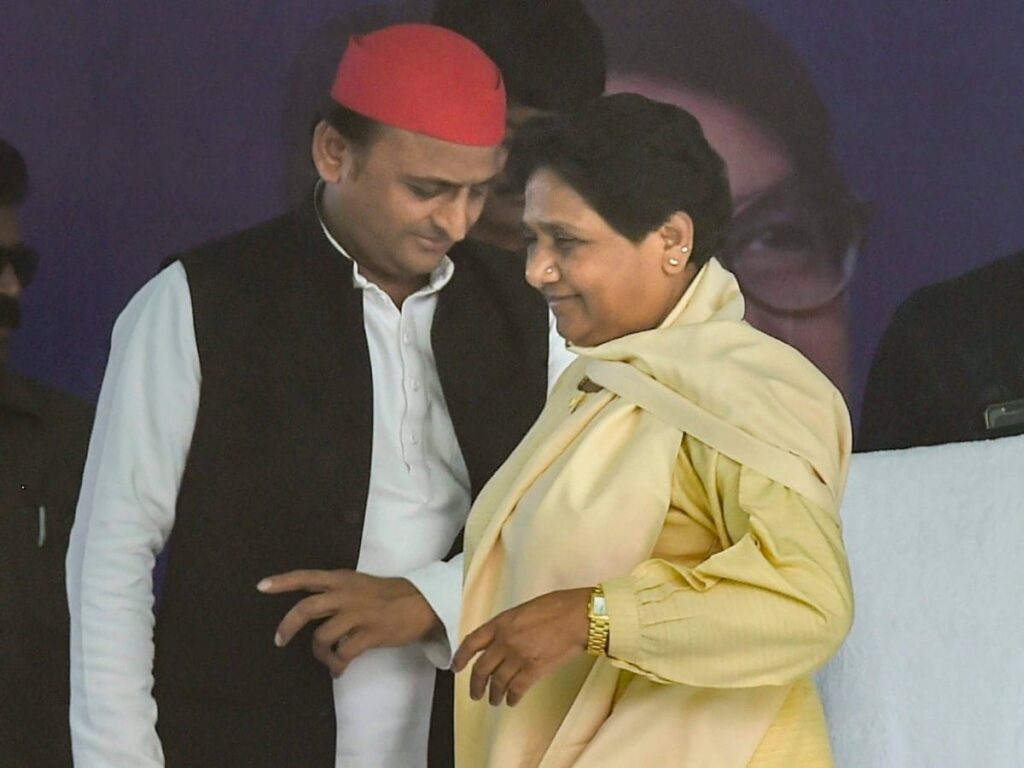
Will this strategy increase the challenge for BSP and BJP?
If the Samajwadi Party gives tickets to a huge number of Dalit candidates, it may affect the electoral equations in Uttar Pradesh. Political researcher believe that this shows an attempt to make inroads into the traditional vote bank of BSP. On the other side, BJP has also been continuously campaigning for the last few years to increase its political reach among the Dalit community.
In such a situation, the competition between the three major parties for Dalit voters in the upcoming elections may become more interesting. However, it would be premature to say which party will benefit the most from this.
In a big state like Uttar Pradesh, the social and political equations of every region are different. Therefore, it is not necessary that the impact of any one strategy will be seen equally across the state.
How effective can the ‘Ayodhya Model’ prove to be in the entire Uttar Pradesh?
After the Samajwadi Party’s victory in the Ayodhya seat in the Lok Sabha elections, political analysts had described it as the result of effective social equations and local strategy. Now if the same experience is tried to be implemented on a large scale in the assembly elections, then it can be one of the most important election strategies of SP. However, the format of assembly elections is different from Lok Sabha elections. Here every assembly constituency has its own social structure, local leadership and political conditions. Therefore, it is not considered easy to implement any one successful model in the entire state.
Experts say that if the party maintains a balance between Dalit candidates as well as backward classes, minorities and other social groups, it can get huge political benefits. But if the balance between social representation and local organization is not achieved, the strategy may not yield the desired results.
For now, this strategy remains a subject of political debate. The final decision will be taken by the voters as to on what basis they give priority to the candidate, party and election issues.
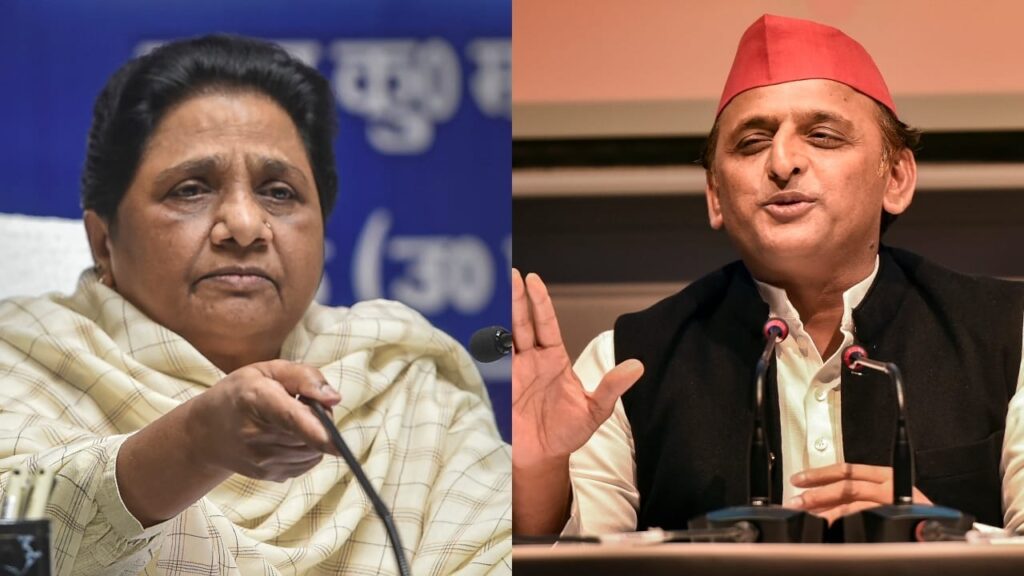
A new battle of social equations before the assembly elections, whose strategy will be successful?
As the Uttar Pradesh Assembly elections approach, all major political parties have started working to strengthen their social base. The possible strategy of the Samajwadi Party is being considered as a part of this comprehensive political preparation. If the party indeed gives tickets to a large number of Dalit candidates, it could become an important issue in the elections.
Political observers believe that in the upcoming elections, not only caste equations but also employment, inflation, law and order, farmers’ issues and local development will influence the decision of the voters. Therefore, it would be premature to deem any single election strategy as decisive.
The SP may try to expand its social base, while the BJP will try to maintain and strengthen its existing support base. At the same time, BSP will also face the challenge of maintaining its traditional hold among Dalit voters.
At present, the political debate regarding “100 Dalit candidates” and “Ayodhya model” is intensifying. But its actual success will depend on the selection of candidates, election campaign, local equations and ultimately the decision of the voters. In Uttar Pradesh politics, the final picture often becomes clear only after the voting, hence the real impact of this strategy will also be visible only after the election results are out.