Table of Contents
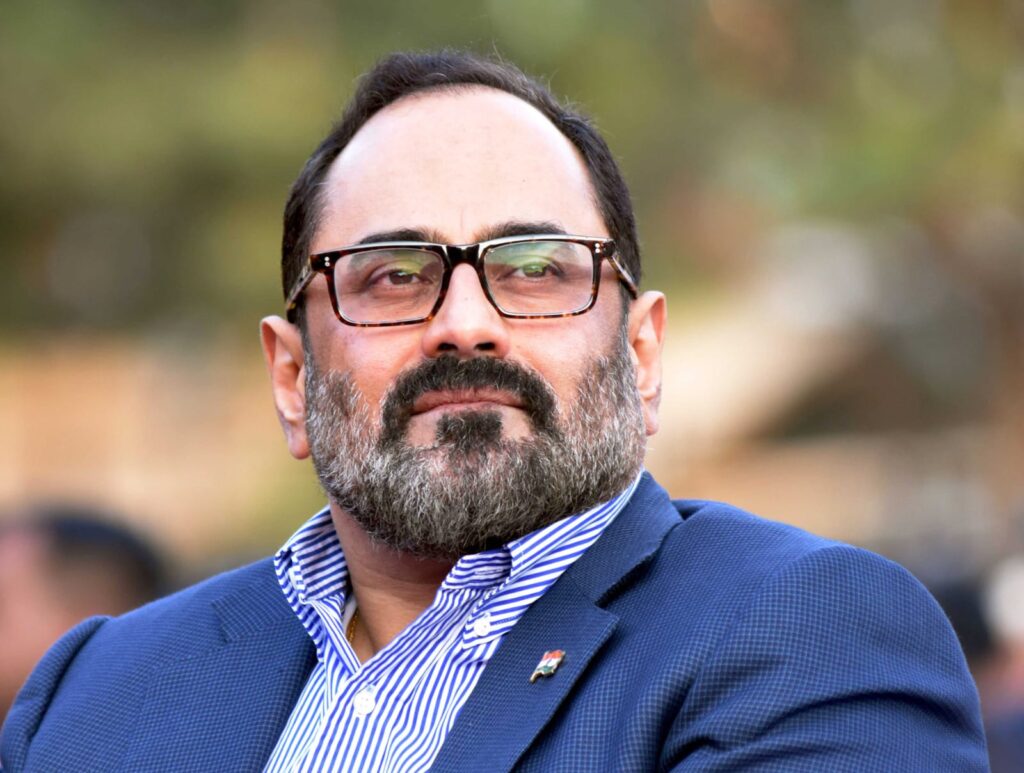
Rajiv Chandrashekhar said, ” mollification politics has harmed Kerala’s development and social balance.”
The Oratory in Kerala politics has once again intensified. Senior Bharatiya Janata Party (BJP) leader Rajiv Chandrashekhar has accused the Congress and the CPI(M) of indulging in mollification politics. He says that this politics, which has been followed in the state for a long time, has pushed back the basic issues like development and good governance.
Rajiv Chandrashekhar said that in any democratic system, the priority of the government should be to provide equal treatment and development opportunities to all citizens. According to him, if political parties make policies keeping a particular class in mind or do identity-based politics for electoral gains, then it can affect the balance in the society.
He alleged that Congress and CPI(M) gave priority to vote bank politics for years. According to him, this has also affected the political culture of the state. He said that BJP believes in the politics of development, transparency and equal opportunity for all citizens.
However, Congress and CPI(M) have previously rejected such allegations. These parties have been saying that their policies are based on the values of the Constitution, social justice and equal development of all communities. He argues that the accusations made by the opposition are part of political Oratory.
Political researcher that issues like development, social justice, secularism and appeasement often become part of the major debates during electoral politics in Kerala. Different parties have different views on these issues according to their ideology.
It is also worth nothing that “mollification” is a political charge, interpreted differently by different parties. Any allegation can be substantiated only on the basis of a comprehensive analysis of the relevant facts and policy decisions.
At present, this statement of Rajiv Chandrashekhar has given rise to a new debate in Kerala politics. The detailed response of the Congress and the CPI(M) in the coming days and the political developments on this issue in the election environment will determine the direction of this debate.
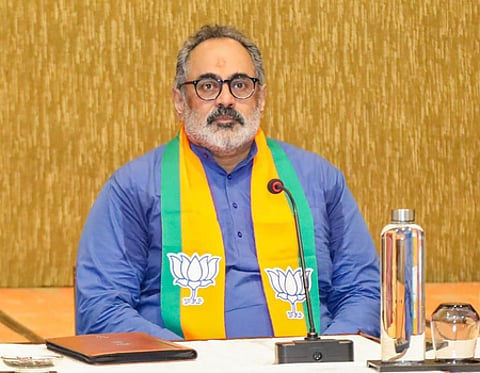
What accusation did Rajiv Chandrashekhar make go against Congress and CPI(M) and what is the stand of the opposition?
Rajiv Chandrashekhar said in his statement that Kerala’s politics has long been influenced by policies aimed at politically appeasing certain sections. He alleged that the Congress and the CPI(M) gave more importance to identity-based politics rather than development.
On the other hand, the Congress and the CPI(M) have consistently maintained that their policies are based on the principles of the Constitution, social justice and inclusive development. He says that BJP’s allegations are made for political purposes and have no connection with the actual facts.
Political experts believe that ideological differences between political parties are natural in a democracy. But any allegation or claim must be evaluated on the basis of facts, government policies and public experience.
Why does the issue of ‘appeasement’ arise again and again in Kerala politics?
Kerala politics has long been based on ideological competition. In the state, the Congress-led UDF, the CPI(M)-led LDF and the BJP go to the public with different political ideologies. In the election environment, issues like development, social justice, secularism and appeasement often become part of the political debate.
Rajiv Chandrashekhar’s recent statement is also being considered a part of this political discussion. He has accused Congress and CPI(M) of doing appeasement politics. Opposition parties, however, reject these allegations, saying their policies are based on equal development for all sections and constitutional values.
Political analysts say that “appeasement” is a political term, which is interpreted by different parties from their own perspective. Therefore, any claim should be assessed based on government policies, available facts and public experience.

Is this issue is important for the BJP in Kerala?
BJP has been trying to increase its support base in Kerala for the last few years. The party has consistently raised issues like development, good governance and equal opportunity. Under this strategy, its leaders criticize the current political system of the state and the policies of opposition parties.
Rajiv Chandrashekhar’s statement is also being considered a part of this wider political campaign. BJP claims that it is in favour of development based politics rather than identity based politics. Congress and CPI(M) disagree with this claim and say that BJP makes such allegations only for political gain.
If election activities intensify in the coming times, this issue may emerge more prominently in the political debate.
Can this statement have an impact on Kerala politics?
Rajiv Chandrashekhar’s statement has come at a time when political parties in Kerala are active among the public on their respective issues. The purpose of such statements is not only to get an immediate reaction but also to clarify one’s political thinking and election message. Political experts believe that BJP has been trying to strengthen its political presence in Kerala for a long time.
In such a situation, raising questions on the policies of Congress and CPI(M) can be considered a part of its strategy. On the other hand, both opposition parties dismiss these allegations as political rhetoric and cite their record of development, welfare schemes and social justice.
Kerala voters have traditionally engaged in serious discussions on political issues. Therefore, the impact of any major statement depends on how many facts and public concerns are attached to support it.
At present it would be premature to say how much impact this statement will have on electoral politics. But it is certain that this has given a new impetus to the political debate, and in the coming days, various parties will clarify their positions on this issue.
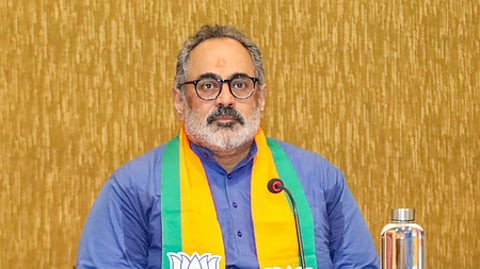
Amidst the accusations and counter-accusations, the public’s focus will remain on developments and policies.
The cycle of statements and counter-statements is nothing new in Kerala politics. During election seasons or major political events, parties frequently question each other’s policies and working styles. This statement of Rajiv Chandrashekhar is also being considered a part of the same political sequence.
It will now be important to see how the Congress and CPI(M) respond to this issue and how the BJP incorporates it into its political campaign. Political analysts believe that ideological debate is necessary in any democracy, but its basis should be facts, policy and public interest.
The most important question for voters remains which political party has the ability to do better work on issues like development, employment, education, health and infrastructure. Therefore, in electoral politics, along with allegations and counter-allegations, the public’s attention also remains on the performance and policies of the governments.
At present, Rajiv Chandrashekhar‘s statement has started a new discussion in Kerala politics. But the real impact of this debate will become clear in the coming times based on the strategies of political parties, public reaction and the election environment. In a democratic system, the final decision always lies with the voters, who evaluate all claims and promises based on their experience and preferences.