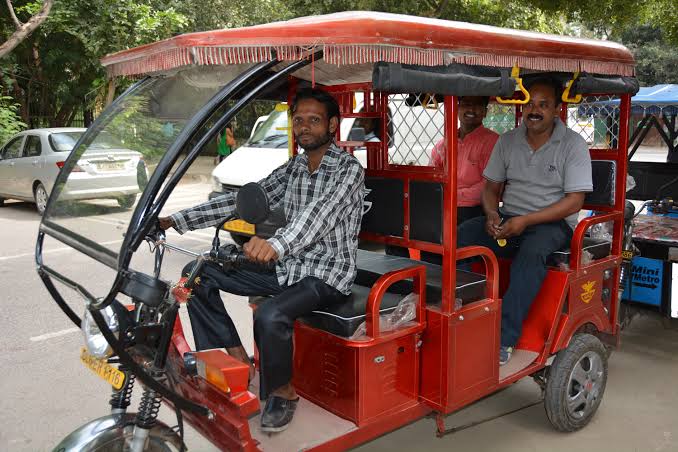

The world can’t stop talking about electric vehicles, and the technology behind them is changing fast. Stuff that used to be tucked away in labs now lands in the pockets of everyday folks, sometimes with unexpected results. One app making a lot of noise lately, especially in India and other countries where electric vehicles are booming, is called BAT-BMS. If you’ve seen the name trending, you’re not alone. But let’s look past the viral stories for a moment and see what’s really going on with this app.
Table of Contents
What’s a BMS, Anyway?
Imagine a car battery. Not that big old lead brick from your parent’s car think new age lithium-ion batteries. These batteries don’t work alone. Instead, you’ll find them stuffed with dozens, even hundreds, of tiny battery cells packed into a metal shell. If a few cells act up, the whole thing gets risky not just a dead battery, but real danger: fires, breakdowns, you name it.
This is where the Battery Management System, or BMS, comes in. It’s basically a green circuit board, stuck right onto the battery pack, doing three big jobs:
- Keeps every cell charging and discharging at the same speed, so none get out of sync.
- Keeps an eye on the temperature, slowing things down if the battery gets hot.
- Shuts off power as soon as charging is done, so cells don’t fry from overcharging.
In other words, the BMS is like the traffic cop, coach, and safety inspector all rolled into one.
Smart Batteries Get Smarter
For a while, if something went wrong with the battery, only a trained mechanic with special tools and a screwdriver had any way to check it out. It was a pain not to mention dangerous.
But in the last decade, manufacturers started adding little Bluetooth chips straight onto the BMS board. Suddenly, the battery could talk to smartphones using Bluetooth signals. That meant a repair shop worker (or, honestly, anyone with the right app) could stand nearby and see all the battery’s data, right on their phone.
Okay, So Where Did BAT-BMS Come From?
Apps like BAT-BMS started popping up as handy tools to help techs and builders keep tabs on battery health, but their influence really took off thanks to Asia’s huge EV industry. Companies like Shenzhen Grenergy Technology in China built these apps, making them free to download from the big app stores.
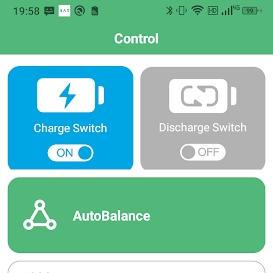
BAT-BMS looks pretty simple. Open the app, connect to a smart battery, and you can see the charge level, what the whole battery is doing, individual cell health, and system controls. For busy workshops, it’s a lifesaver six core details, updated in real-time, right there on your dashboard, so no more guesswork or risky repairs.
Because the app was free and easy to use, small battery factories all over Asia adopted the BAT-BMS system. Instead of building their own software, they bought ready-made circuit boards that worked instantly with BAT-BMS. This combo spread through supply chains like wildfire.
How Did Things Go Off Track?
Here’s the catch: Security. With big brands like Tesla or Ather, you can’t just connect your phone. Their batteries have strong passwords and encryption total lockdown. But in the cheaper e-rickshaw markets, cutting costs wins out. Workshops use less expensive parts, often with zero or super simple security, like a default password anyone could guess. Sometimes it’s left open entirely, no password needed.
The result? With a regular phone and the BAT-BMS app, strangers walking down the street can find and connect to batteries in nearby vehicles.
The Problem on India’s Streets
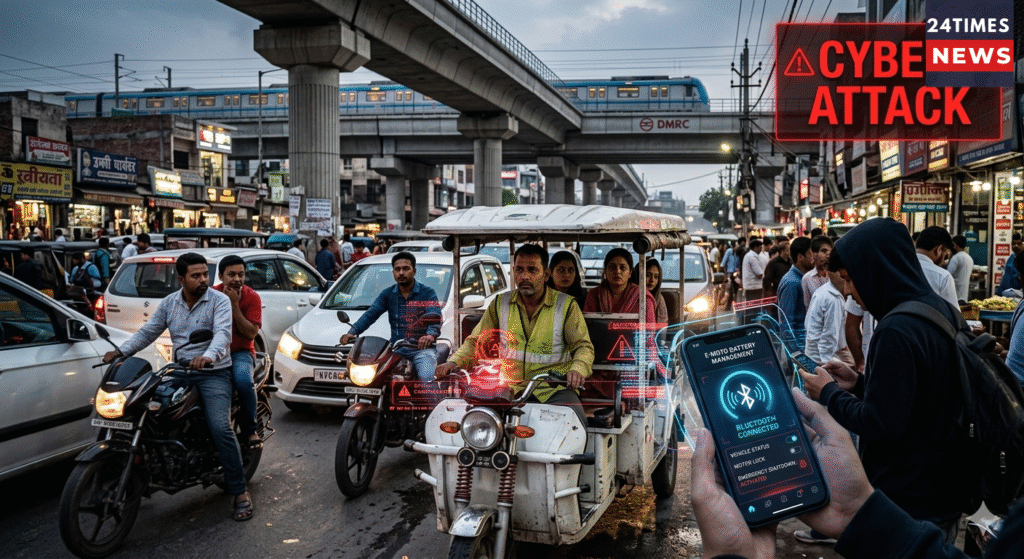
Here’s where things get dicey. The BAT-BMS app includes some powerful controls, like the “Discharge Switch.” Mechanics use it to cut off power safely before making repairs. But out on the street, pranksters have started using this feature to shut down moving e-rickshaws. They just tap their phone, the vehicle loses power, and suddenly, drivers and passengers are stuck in traffic or worse, right in the way of other cars and bikes. It’s not just annoying; it’s dangerous.
What Happens Next? Securing the Smart Battery Future
This whole BAT-BMS situation is a wake-up call. As battery-powered vehicles get smarter, they also open the door to new risks. It’s not enough to just build a strong battery it has to be digitally secure, too.
People are already acting. Transport authorities and local tech groups are teaching battery owners how to set strong passwords and block random users out. At the same time, tech experts want strict import rules, so only batteries with proper encryption make it to market.
In the end, the story of BAT-BMS is more than just a tech glitch. It shows us that when smart tech grows faster than common sense safety, problems can hit close to home. As EVs spread across more streets and countries, both builders and users have to treat digital security as a basic need, just like a good brake or a sturdy frame. No shortcuts because these days, the risks are only a tap away.