
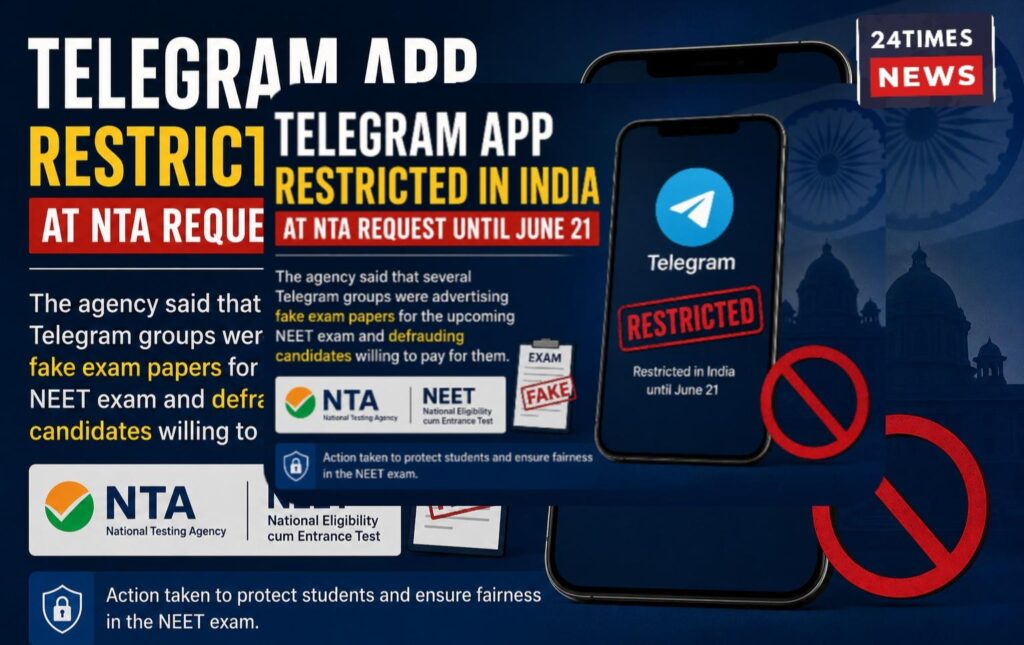
Telegram banned in India: Why was the ban imposed until June 21st at the request of the NTA?
Amid growing fraud concerns regarding competitive exams in India, a major development has come to light. According to reports, discussions regarding Telegram restricted in India have intensified as the Telegram app has been restricted till June 21 on the request of the National Testing Agency (NTA).
Officials say that this step has been taken with the aim of stopping suspicious activities related to the NEET fake paper scam. For some time now, several Telegram groups were allegedly involved in selling fake question papers of the upcoming NEET exam and defrauding students of their money. For this reason, NTA Telegram restriction has now become a big discussion topic among the education sector, parents and students.
It is being told that many Telegram groups were giving fake promises to the students in the name of exam papers. Some channels were reportedly claiming to have “original” or “leaked” question papers and were asking for money from interested candidates. Authorities say that this was not just a cheating concern but also a case of financial fraud as many students and families could have fallen prey to the scams.
However, mixed reactions are coming out regarding the Telegram restricted in India decision. Some people say that strong action was necessary to prevent exam fraud, while on the other hand, some users are expressing concern that the complete platform restriction may affect general users and educational communities as well.
Telegram is considered to be a very popular communication platform among students, educators, professionals and communities in India. It has also been used for notes sharing, study groups, educational discussions and academic resources. In such a situation, the temporary restriction has also affected many genuine users.
On the other hand, supporters of NTA Telegram restriction are arguing that preventive measures are necessary to prevent exam integrity from being compromised. He believes that if fake paper rackets had remained unchecked, it could have directly affected the hard work of lakhs of aspirants and the fairness of the exam.

Big But Important Points Regarding the NTA Telegram Restriction
- The NEET Fake Paper Scam is the Biggest Reason
According to authorities, several Telegram groups were claiming to sell fake NEET papers. Reports suggest that some students were being given false promises in exchange for money.
Education experts say that such scams are not just financial fraud but also take advantage of the emotional vulnerabilities of students. Under the pressure of competitive exams, many candidates believe in fake claims of shortcuts or leaked papers.
- Telegram Restricted in India Decision Said to Be Temporary
According to reports, the restriction is reportedly in effect until June 21. This means it is being considered a temporary preventative action rather than a permanent ban.
However, there is confusion among users regarding the technical level at which the restriction will be implemented and how many users will be affected.
- Students and educational communities are also affected.
Telegram is not only a social communication app but also an academic resource hub for many students. A large part of the study materials, notes and group discussions take place on this platform.
Some students have expressed concern that access to genuine academic groups may be affected.
- Increased Focus on Exam Integrity
Fairness and transparency in competitive exams have become a major public concern in recent years. Authorities say that it is important to stop exam-related fraud so that the hard work of honest candidates is not affected.
Experts believe that digital scams are becoming increasingly sophisticated, hence monitoring and preventive actions are also becoming stronger.
- The Digital Freedom vs. Regulation Debate Intensifies
Restriction has also sparked a broader debate is restricting platforms justified to prevent fraud, or might targeted action be a better option?
Some say a focused crackdown on illegal groups could have been more effective, while others believe stronger measures were necessary for immediate risk control.
NEET Fake Paper Scam: How do students become targets of such frauds?
The pressure of competitive exams in India is considered very high. Especially in exams like NEET, where lakhs of students compete for limited seats, anxiety and stress are naturally high. Many scam networks try to exploit this vulnerability.
Experts say that fake paper scams often create urgency. Fraudsters try to convince students that they have leaked questions or insider access. Many times trust is built by showing fake screenshots, fabricated testimonials and manipulated documents.
After this, money is demanded sometimes in the name of registration fees, sometimes in the form of advance payment. But in many cases after payment, candidates get fake material or the scammers disappear.
After reports of NEET fake paper scam, education authorities have reportedly become more alert. Their focus is not just limited to preventing fraud but also on increasing awareness among students. Experts repeatedly advise not to trust any claims like “guaranteed leaked paper” or “confirmed exam questions”.
NTA Telegram Restriction: Will this step prove to be a long-term solution?
The big question is whether actions like temporary restrictions can effectively prevent exam fraud. Some analysts believe that immediate disruption could weaken scam networks. If fraudulent groups are unable to remain operational, the short-term impact could be positive.
However, critics argue that scammers often shift to alternative platforms. Therefore, instead of just platform restriction, broader cyber monitoring, legal enforcement and awareness campaigns are equally important.
Some digital policy experts say it’s important to prevent technology misuse but also consider the needs of legitimate users, especially when platforms are widely used for education and communication.
Telegram Restricted In India: What could be the implications for genuine users?
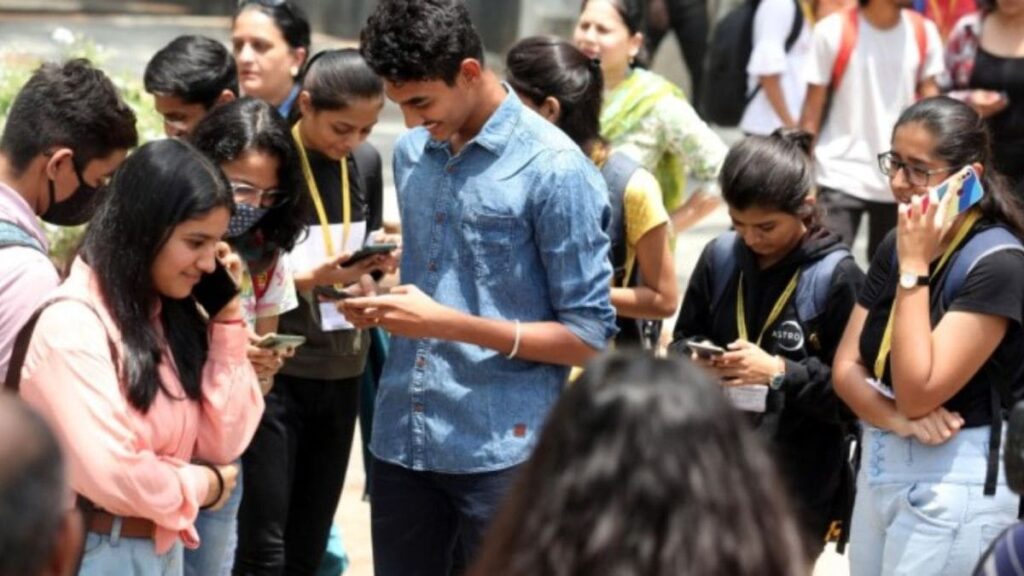
If temporary restriction is implemented at the practical level, its impact cannot be limited to suspicious groups only. Genuine students, teachers and communities who use Telegram for educational purposes may face inconvenience.
Many coaching groups, exam discussion forums and study channels are active on Telegram. In such a situation, temporary access issues can affect the daily preparation routines of students.
On the other hand, supporters say that short-term inconvenience should be seen in the context of larger exam integrity goals. Their argument is that if this ensures a fair exam environment for lakhs of students, then the action can be considered justified.
Currently, Telegram restricted in India, NTA Telegram restriction and NEET fake paper scam remain big topics in education and digital policy discussions. Now everyone’s eyes are on which direction the situation goes by June 21 and what further steps the authorities take.