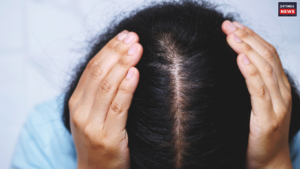
Rapid hair fall has become a major problem for many people today. Even after using different oils and shampoos, hair breakage often does not stop. Both men and women are struggling with hair fall and baldness issues. One of the biggest reasons behind excessive hair loss is lack of proper nutrition in the body. When the body does not get certain important vitamins, hair starts falling much faster than normal. Weak hair may also break easily while combing or touching. Experts say that vitamin deficiency can seriously affect hair health. Knowing which vitamins are lacking and taking the right diet can help reduce hair fall naturally.
Biotin Deficiency
Biotin deficiency is one of the major reasons behind excessive hair fall. Vitamin B7, also known as biotin, is very important for keeping hair healthy, strong, and long. When the body lacks biotin, hair can become weak and start falling quickly. To improve hair health, people should include biotin-rich foods in their daily diet. Foods like eggs, dry fruits, seeds, and green leafy vegetables are considered good sources of this vitamin. Experts also suggest that biotin supplements may help in some cases, but they should only be taken after proper medical advice. A balanced diet can naturally support stronger hair growth.
Vitamin D
Vitamin D plays an important role in maintaining healthy hair follicles. Research shows that a lack of vitamin D can lead to excessive hair fall and slow hair growth. When vitamin D levels become low, hair may turn weak, thin, and more likely to break. To keep hair healthy and strong, people should include vitamin D-rich foods such as fatty fish, eggs, and fortified dairy products in their diet. Spending some time in morning sunlight can also help the body produce vitamin D naturally. In cases of severe deficiency, doctors may also recommend vitamin D supplements for better hair and overall health.
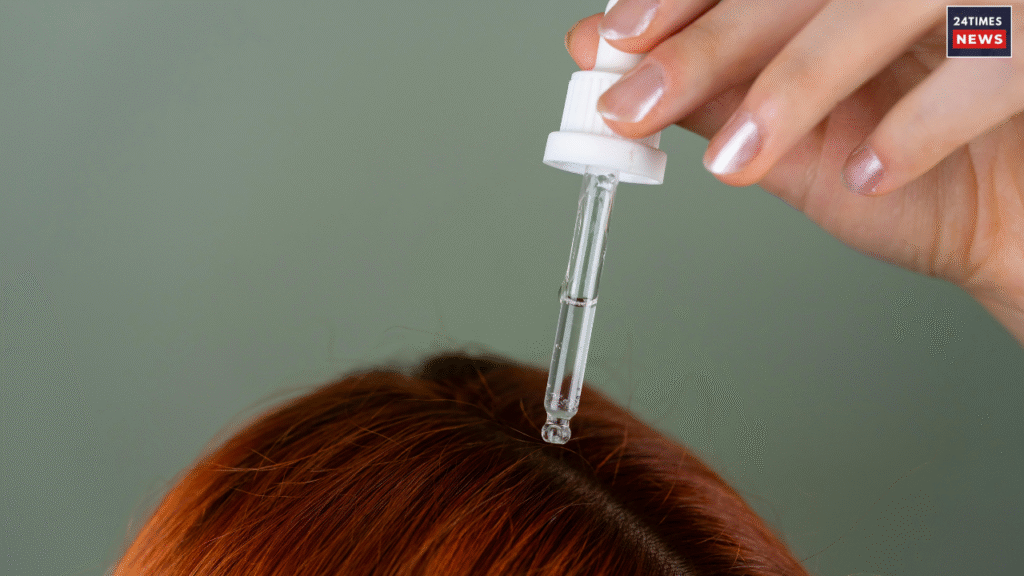
Hormonal Imbalance and PCOD
Hair fall can happen due to several reasons apart from vitamin deficiency. In women, problems like hormonal imbalance, Polycystic Ovary Syndrome and thyroid disorders can also lead to excessive hair loss. Stress, anxiety, and emotional ups and downs may also affect hair health and weaken hair roots over time. Experts say it is important to consult a doctor if hair fall becomes severe or continues for a long time. Along with medical advice, following a healthy lifestyle can help improve hair condition. Eating a nutritious diet, exercising regularly, and practicing meditation may support better hair growth and overall well-being.