
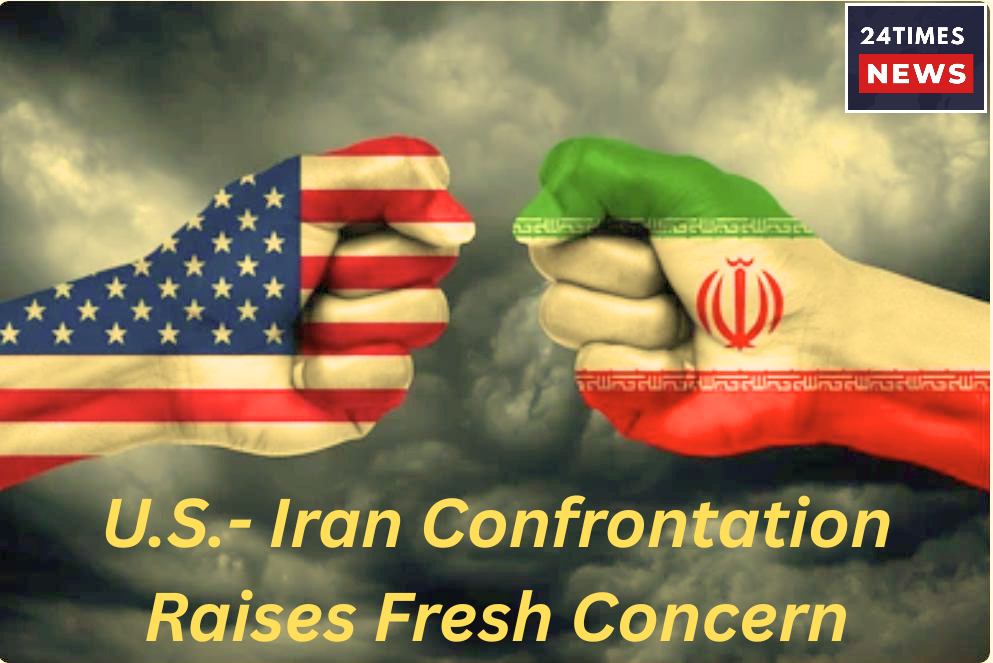
New Delhi: Rising military tensions between the United States and Iran have once again placed West Asia at the centre of global attention, sparking fears of a broader regional conflict and renewed uncertainty in international energy markets.
Iran launched retaliatory actions against the U.S. military
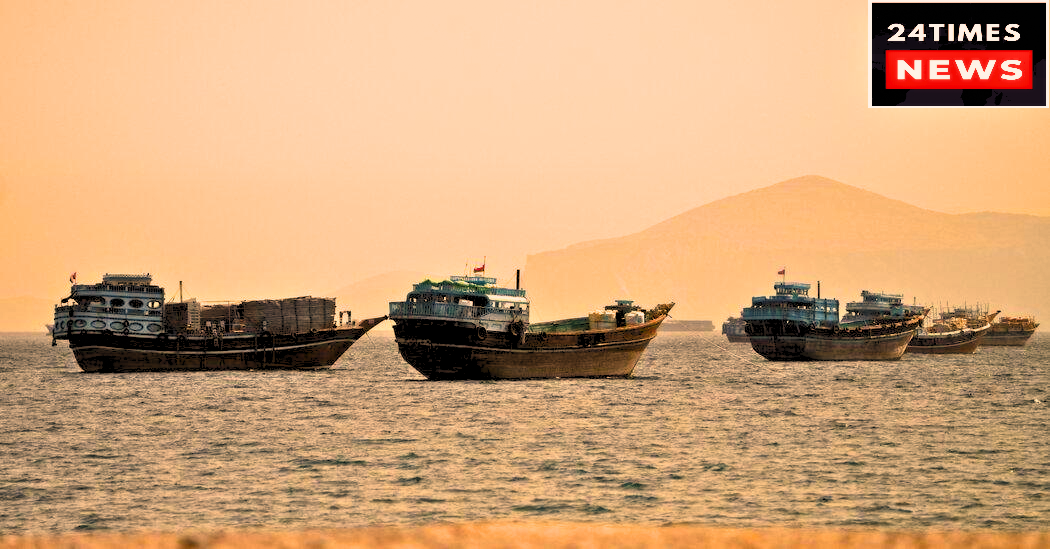
The latest round of hostilities follows U.S. strikes on targets linked to Iran in response to attacks on American interests in the region. Iran subsequently launched retaliatory actions against U.S. military facilities, signalling a dangerous escalation despite repeated international appeals for restraint.
The developments have prompted neighbouring countries to strengthen their security measures. Reports indicate that several states in the region have intercepted missiles and drones, reflecting growing concerns over the possibility of the conflict spreading beyond the immediate parties involved.
A major source of global anxiety is the security of the Strait of Hormuz, one of the world’s most vital maritime corridors. A significant portion of global oil and liquefied natural gas exports passes through this narrow waterway. Any disruption to shipping in the area could trigger volatility in energy prices and affect economies across the globe.
Experts Opinion
Experts warn that prolonged instability in West Asia may have consequences far beyond the battlefield. Increased risks to shipping routes could raise freight and insurance costs, disrupt supply chains, and slow international trade. Such developments would come at a time when many economies are already facing challenges related to inflation and economic uncertainty.
Impact On India
For India, the situation is particularly significant. West Asia remains a key source of India’s energy imports, making regional stability crucial for the country’s energy security. Any sharp increase in oil prices could have a direct impact on domestic inflation and economic growth. Additionally, the safety and welfare of millions of Indians living and working in the Gulf region remain an important concern.
The rivalry between Washington and Tehran has deep historical roots, shaped by disagreements over sanctions, nuclear issues, regional influence, and security concerns. These longstanding disputes have repeatedly fuelled tensions and complicated efforts to establish lasting peace in the region.
The international community has urged both sides to avoid further escalation and prioritise dialogue. Diplomatic engagement is widely viewed as the most effective path to preventing a wider conflict that could destabilise West Asia and disrupt the global economy.
As tensions continue to unfold, the world watches closely. The coming weeks will be crucial in determining whether the region moves towards confrontation or returns to the path of diplomacy and stability.