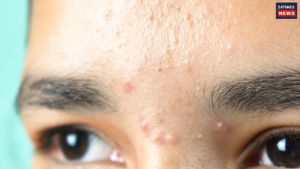

Summer can be very challenging for the skin, especially for people with oily skin. As soon as they step outside in the heat, the face may start feeling sticky, greasy, and uncomfortable. Sweat, dust, pollution, and increased oil production together can make the skin look dull and unhealthy. In many cases, oily skin during summer may also lead to pimples and clogged pores. However, by following a few simple and effective skincare tips, you can keep your skin fresh, clean, and oil-free even in hot weather. Using a gentle face wash, staying hydrated, and keeping the skin clean can help maintain a healthy summer glow.
Why Skin becomes oily in Summer?
During summer, rising temperatures and humidity can make oily skin problems worse. Health experts say that the sebaceous glands, which produce oil in the skin, become more active in hot weather. As a result, they start producing excess sebum, making the skin feel greasy and sticky throughout the day. Along with this, sweat, strong sunlight, and lack of water in the body can also increase oiliness on the skin. These factors may lead to clogged pores, acne, and dull-looking skin. To control excess oil during summer, it is important to stay hydrated, wash your face regularly, and follow a proper skincare routine every day.

Oily skin can cause problems like pimples, clogged pores, stickiness, and an overly greasy appearance on the face. Excess sebum production may also make makeup melt or wear off quickly during summer. Experts advise people with oily skin not to wash their face too many times a day, as over-washing removes natural oils and makes the skin produce even more oil to balance it. Washing the face twice daily is usually enough. For better oil control, using a mild gel-based cleanser with ingredients like salicylic acid or tea tree oil can be helpful. These ingredients help keep the skin fresh, clean, and less oily.
How to keep your skin hydrated?
People with oily skin should choose a gel-based moisturizer during summer, as it keeps the skin hydrated without making it feel heavy or greasy. Experts recommend moisturizers containing hyaluronic acid and niacinamide because they help maintain moisture and control excess oil production. To protect the skin from sun damage, using a matte finish, gel-based sunscreen with SPF 30 or higher is also important. Sunscreens with zinc oxide or niacinamide can help reduce oiliness even more. If your face becomes too oily during the day, blotting papers can quickly absorb excess oil without ruining makeup, leaving the skin fresh and less shiny.