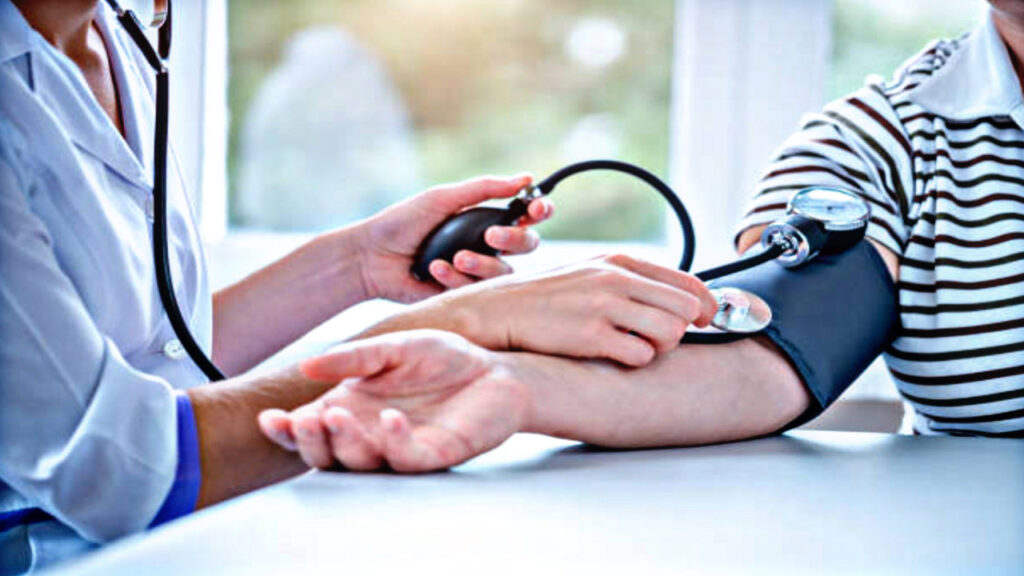
Nowadays, high blood pressure (hypertension) has become a problem that is no longer limited to the elderly. Changing lifestyles, stress, low physical activity, and poor eating habits can affect blood pressure in many people. Our diet plays a significant role in this. We eat many delicious foods every day, but if consumed in excess, they can have negative effects on the body.
Excessive consumption of salt and sodium, in particular, may be linked to increased blood pressure in some people. Similarly, the effects of high-fat foods and caffeine can also depend on the individual’s condition and the amount consumed.
Therefore, if you already have high blood pressure or want to maintain normal blood pressure, it is important to pay attention to your daily diet. Today, we will learn about five common foods whose excessive consumption can increase blood pressure problems. Let’s begin.
- Table Salt
First, let’s talk about table salt. Salt contains sodium, and the body needs a small amount. However, excessive sodium intake can lead to water retention, which can increase blood pressure in some people. Therefore, it’s best to avoid adding too much salt to food and pay attention to your daily sodium intake.
- Pickles
Pickles add flavor to meals, but they often contain high amounts of salt. Consuming too many pickles can increase sodium levels in the body. If you have high blood pressure, limiting pickles rather than consuming large quantities daily may be a better option.
- Packaged Snacks
Chips, namkeen, instant noodles, and other packaged snacks can be high in sodium. Eating them frequently can increase your daily salt intake. Therefore, when purchasing packaged food, be sure to read the nutrition label and keep an eye on the sodium content.
- Full-Fat Dairy Products
Full-fat cheese, cream, and some other high-fat dairy products can be high in saturated fat. Excessive consumption of these foods is not considered conducive to a balanced diet. Therefore, it is best to limit these foods and include fruits, vegetables, whole grains, and other nutritious foods in your diet.
- Caffeine
Caffeine is found in tea, coffee, and some energy drinks. Caffeine can temporarily increase blood pressure in some people. However, the effect varies from person to person. If you notice that your blood pressure rises after consuming tea or coffee, consider reducing your intake and consulting a doctor.
Finally, remember—these foods don’t mean everyone should completely avoid them. The real difference lies in the quantity, your health status, and your overall diet. If you have high blood pressure, get your blood pressure checked regularly as advised by your doctor, limit your salt and processed foods, and maintain a balanced lifestyle. Don’t stop or reduce your medications without consulting your doctor.
To stay healthy, it’s important to focus on your overall diet and lifestyle, rather than focusing on just one food.