Table of Contents
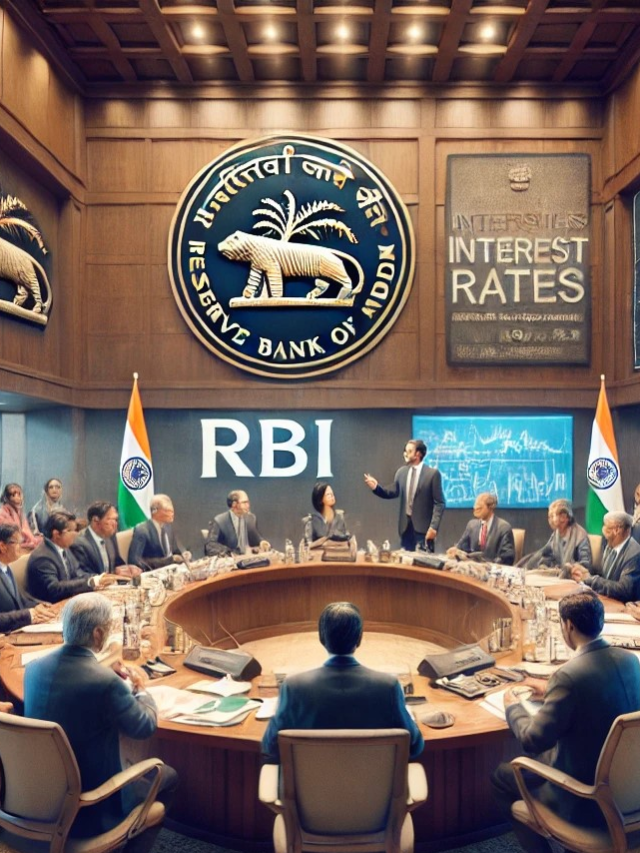
Today, the Reserve Bank of India (RBI) took some big steps that will shape the country’s money flow and the way banks do business for years to come. In a single day, the central bank handled two major events: helping seven states borrow a total of ₹14,500 crore through bond sales, and updating how banks must prepare for future bad loans.
States Raise ₹14,500 Crore for Growth Projects
Seven states – Uttar Pradesh, Madhya Pradesh, Bihar, Kerala, Assam, Chhattisgarh, and Uttarakhand used the RBI’s E-Kuber platform to raise fresh funds. These states will use the money for projects like new roads, better electricity for villages, and water supply upgrades. Uttar Pradesh took the lead, borrowing ₹4,500 crore. The state managed this by re-issuing some of its older bonds, which helps make its bonds easier to buy and sell, something big investors like.
Madhya Pradesh brought in ₹2,800 crore, focusing on electrification and irrigation. Bihar followed with ₹2,400 crore by offering a mix of new and old bonds. Other states like Kerala, Chhattisgarh, Assam, and Uttarakhand also raised funds, picking bond types and timelines that match their different project needs.
Interest rates for these state bonds stayed steady, and that’s good news for banks. They often pick up these bonds because regulators count them towards the banks’ mandatory reserves. Plus, the bonds can be used as easy-to-trade collateral, making them safe bets for big institutions.
New Rules for Banking: ECL Model Arrives
Alongside the auction, the RBI introduced major changes for banks through the “Expected Credit Loss” (ECL) rules. Previously, banks only set aside money to cover bad loans after the loans had already gone sour. With the ECL system, banks now have to look ahead and plan for possible losses before problems show up.
Here’s how it works:
Stage 1: For healthy loans, banks must plan for possible losses over the next year.
Stage 2: If they see early warning signs, they need to cover the potential losses over the whole life of the loan.
Stage 3: Once a loan is clearly in trouble, it gets full “bad loan” status.
Switching to these new rules might mean banks see short-term dips in profits because they’ll need to set aside more money up front. But in the long run, it should make the whole system stronger and more stable.
Smaller Burden for State-Backed Loans
The RBI also made a clear choice to make life easier for banks when lending to states. Because state loans are safer, banks will need to keep aside less money, just 2.5% of the loan value as a buffer. This lower level recognizes that state governments rarely default, so the risk is lower compared to other big loans.
Ordinary Investors Join the Crowd
One eye-catching change in today’s bond auction was the extra participation from individual investors, not just big banks or funds. Through the RBI’s Retail Direct platform, small buyers took advantage of the fact that around 10% of the bonds were set aside just for them. With most bank deposits still paying under 7%, state bonds offering better returns and backed by the government are attracting a lot more interest from everyday people. It’s making it much more common for regular citizens to help fund big infrastructure by directly lending to their own states.
Looking Ahead
By holding a smooth and transparent auction for ₹14,500 crore and creating new forward-thinking rules for banks, the RBI is showing its commitment to a more stable and open financial system. These steps aren’t just about keeping the present running smoothly. The central bank is planning for the future, making sure India’s financial framework can cope with whatever surprises may come.