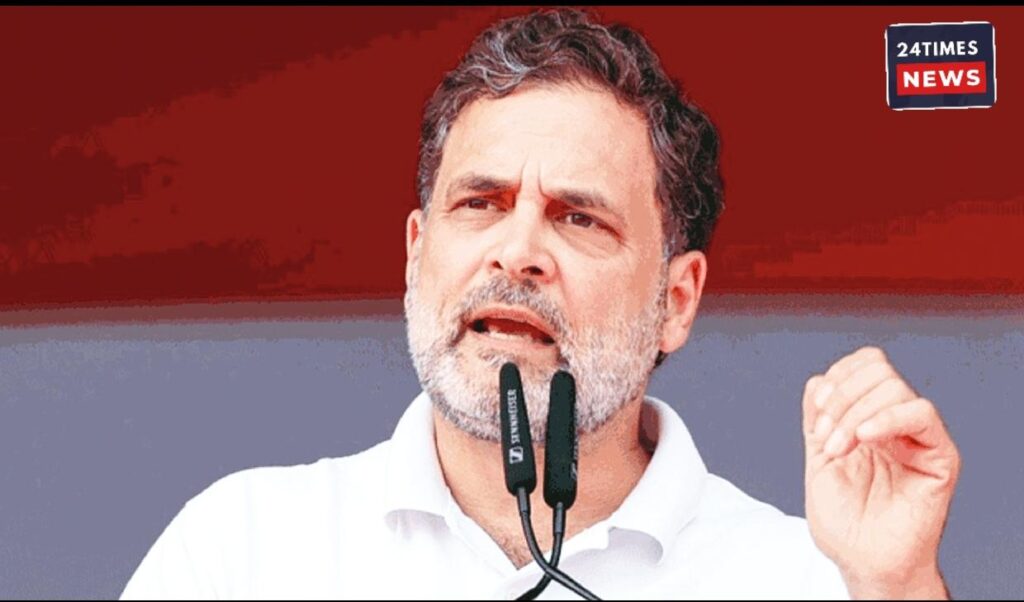
Rahul Gandhi’s Strong and Controversial Remarks Against PM Trigger Major Political Debate Over India’s Global Image and Leadership Narrative
Leader of the Opposition in the Lok Sabha, Rahul Gandhi, has once again launched a scathing and controversial attack on the Prime Minister, sparking a new debate in political circles. In his statement, he referred to the Prime Minister using terms like “obedient servant” and “compromised PM,” further escalating tensions between the ruling party and the opposition. This statement has reportedly been made in the context of some recent political statements made in America and the debate that has arisen regarding India’s international image.
Rahul Gandhi alleged that the Prime Minister is not capable of protecting the dignity of the country as he is dependent on forces that insult India. He said, “A compromised PM will not defend the nation’s honor because he is beholden to those who insult the country.” The comment sparked an immediate reaction in political circles.
The controversy intensified when the statement was seen as linked to India’s foreign policy, global diplomacy and national prestige. Leaders of the ruling party termed it irresponsible and provocative, while in the opposition camp it was considered a statement questioning the accountability of the government.
The entire issue is not limited to just a political statement, but has started a wider discussion on India’s democratic debate, the role of the opposition and the leadership of the Prime Minister. Rahul Gandhi’s supporters are calling it a democratic right and a process of asking questions, while critics are considering it a statement that will damage India’s image at the international level.
After this statement, the atmosphere has become heated from social media to Parliament. Many political analysts believe that this comment could influence the upcoming election environment and political narrative. At the same time, government supporters say that such statements weaken the unity and global position of the country.
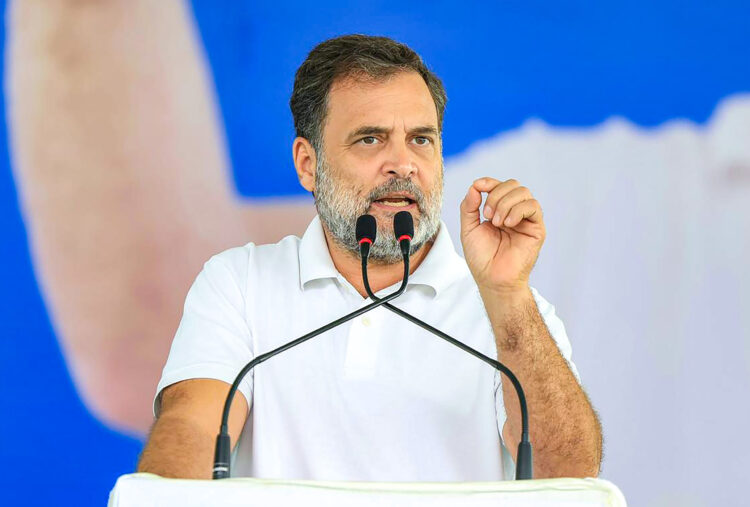
5 Key Political Dimensions and Their Impact on National Discourse.
1. The Political Impact of the “Obedient Servant” Remark on the PM
The term “obedient servant” used by Rahul Gandhi is being considered politically very sharp. The ruling party has described it as a direct attack on the image of the Prime Minister, while the opposition is seeing it as symbolic political criticism. This statement makes the political discourse more polarized.
2. Debate on National Honor and Global Image
A large part of the statement concerns India’s international reputation. Rahul Gandhi alleges that the government is failing to protect the dignity of the country. On this, government supporters argue that India’s global standing has strengthened and such statements present the country’s image in a wrong way.
3. Opposition vs. Government Narrative Clash
This incident once again highlights the narrative war between the opposition and the government. Rahul Gandhi’s statement gives an aggressive tone to opposition politics, while the government calls it irresponsible opposition behaviour. Instead of dialogue, a situation of conflict seems to be developing between the two sides.
4. U.S. Statements Context and Foreign Policy Angle
This controversy is also being linked to some political statements made in the United States. Although the full context is not clear, it is being seen in connection with India’s foreign policy and diplomatic posture. Experts believe that such statements can send a wrong message at the international level.
5. Electoral Politics and Public Perception Impact
According to political analysts, this statement could impact the upcoming election environment. Supporters consider it courageous leadership, while opponents call it a statement that creates unnecessary controversy. This can have an impact on public perception on both sides.
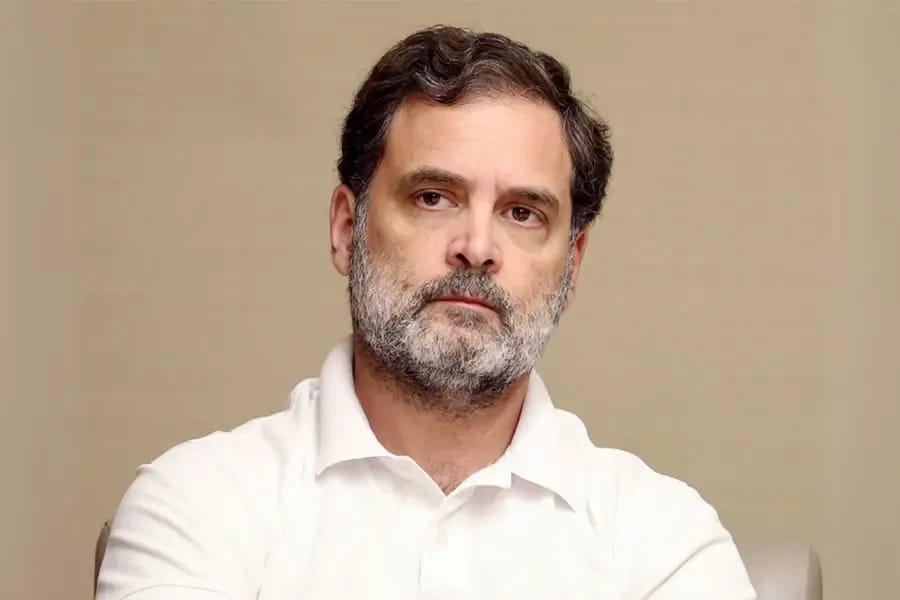
Interpretation, Democratic Debate, and Broader Implications of Rahul Gandhi’s Remarks
This statement by Rahul Gandhi is being seen not just as a political comment, but as an important example of understanding India’s contemporary political structure and the direction of democratic discourse. Sentences like “A compromised PM will not defend the nation’s honour because he is beholden to those who insult the country” have influenced political discourse at many levels.
Sharp rhetoric between the ruling party and the opposition is nothing new in Indian politics, but this time the controversy is being considered more serious because it is directly linked to the international image of the Prime Minister and India’s global position. The ruling party believes that such statements could harm the country’s foreign policy and diplomatic credibility, while the opposition argues that questioning and criticism are necessary in a democracy.
Rahul Gandhi has been questioning the government’s policies and leadership style for a long time. This statement is also being considered as a part of the same political line in which the government is accused of weakening India’s position on global forums. However, this time the controversy has increased further due to the intensity of the words.
Government supporters say the Prime Minister has strengthened India’s position internationally and enhanced the country’s role on several global platforms. In such a situation, the use of words like “compromised PM” is not only politically inappropriate but it can also mislead the public.
Whereas in the opposition camp, it is being seen as a strong political statement that attempts to hold the government accountable. He believes that in a democracy, it is the right of the opposition to question the government and criticise it sharply. In this context, Rahul Gandhi’s statement is being considered a part of his political style.
Sharp reactions are being seen on social media regarding this statement. Some consider it a bold and clear political stance, while others call it an unnecessarily inflammatory and divisive statement. This division reflects the complexity of India’s current political discourse. Experts believe that such statements give rise to healthy debate in a democracy, but when the language becomes overly aggressive, it can also increase political polarization. In this case also both the aspects are clearly visible.
From the foreign policy point of view, this controversy becomes even more sensitive because America is also said to be involved in it. The strategic relationship between India and the US is constantly strengthening, and any political statement can have international implications.
Many analysts also believe that this statement could be part of an attempt to influence the political atmosphere before the upcoming elections. The ruling party calls it a strategy of the opposition, while the opposition considers it a way to raise necessary questions on the government’s policies.
Ultimately, this matter is not limited to just one statement, but it has become a symbol of the growing tension between the ruling party and the opposition in India’s democratic structure. This statement of Rahul Gandhi will continue to play an important role in political debates, media discussions and public discourse in the coming days.