Table of Contents
Challenging the old political system, are PK, Vijay and Annamalai changing the way of politics?
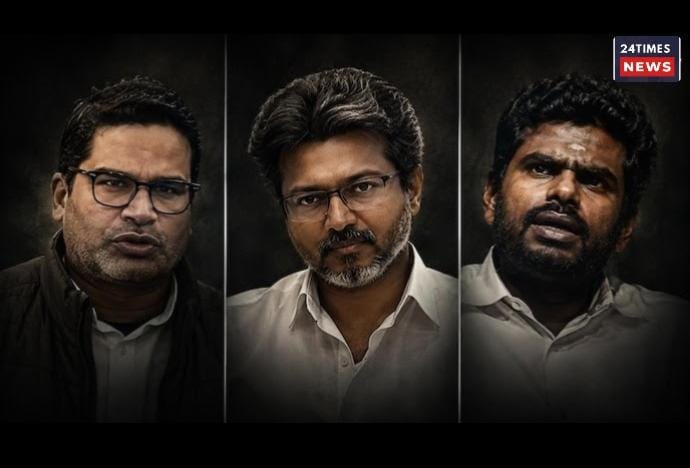
The same old players have been strong in Indian politics for a long time. Caste, religion, family legacy and decades-old organization – a major part of the politics of winning elections revolves around these. But now some new faces are seen challenging this old method in their own style. The politics of Prashant Kishor, Tamil actor-turned-politician C. Joseph Vijay and BJP leader K. Annamalai are being seen in the context of this shift.
The political background of these three is not the same. Prashant Kishore came directly into active politics from being an election strategist and tried to establish his political model through Jan Suraj. Vijay tried to convert his film popularity into political organisation and prepared to make a new place in Tamil Nadu through his party. Annamalai, on the other hand, left the police service and entered politics and became known for his aggressive political style within the BJP.
The similarity between these three is that they are not leaders coming from traditional political families. He created his identity through different paths and then tried to use it in politics.
Prashant Kishor’s model: Trust in issues more than organization?
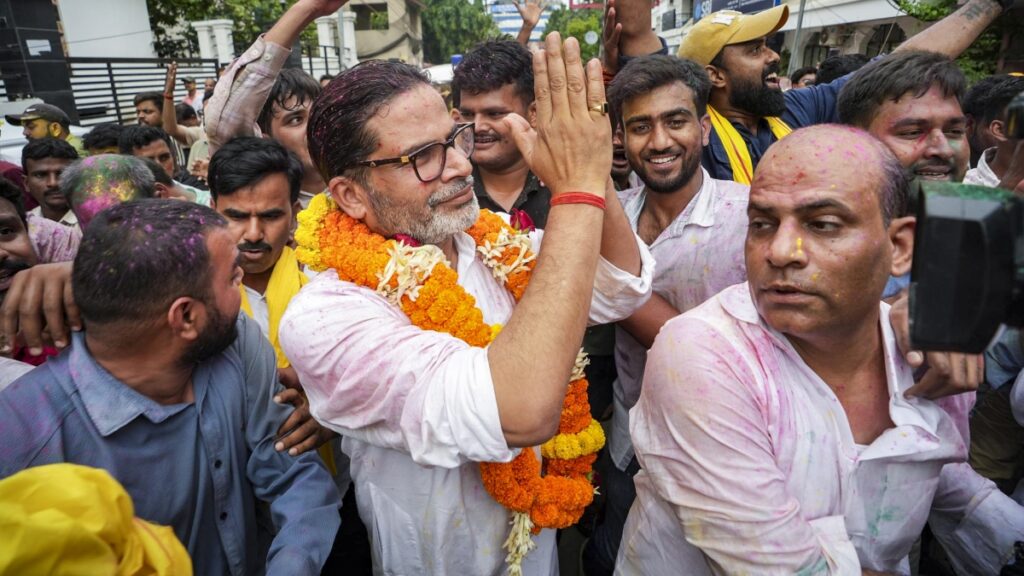
Politics is definitely a new field for Prashant Kishore, but electoral politics is not completely unknown to him. After working with several major election campaigns, he decided to enter the fray himself.
Through Jan Suraj, Kishore used a different language regarding politics. He tried to make a place for himself in Bihar politics by focusing on issues like education, employment, migration and development. He stressed that politics should not depend only on caste equations and the machinery of traditional parties.
However, converting a political idea into electoral success is a different challenge. Popularity as a strategist and gaining public trust by becoming a candidate yourself are two different things. The real test of a teenager also happens here.
The biggest question before him is whether he will be able to transform his personal identity into a strong and long-lasting political organization.
Why is Vijay’s entry being considered different?
C. Joseph Vijay’s politics is quite different from the other two. He is already a big star of Tamil cinema. He already had a huge fan base before entering politics. He tried to convert this popularity into political support.
Through Tamilga Vetri Kazhagam i.e. TVK, Vijay has tried to make his place among the established political parties of Tamil Nadu. Old and strong organizations like DMK and AIADMK have been influential in the state politics for a long time. In such an environment, the rapid rise of a new party to prominence is significant.
This is why Vijay is being considered the biggest example of this ‘start-up’ model. Their political capital comes not from any traditional organization, but from popular culture and a pre-existing identity among the public.
But it is not easy to convert popularity into votes and votes into power. For this, booth level organization, local leadership, clear policies and continuous presence on the ground will be necessary.
How did Annamalai create a distinct identity within the BJP?
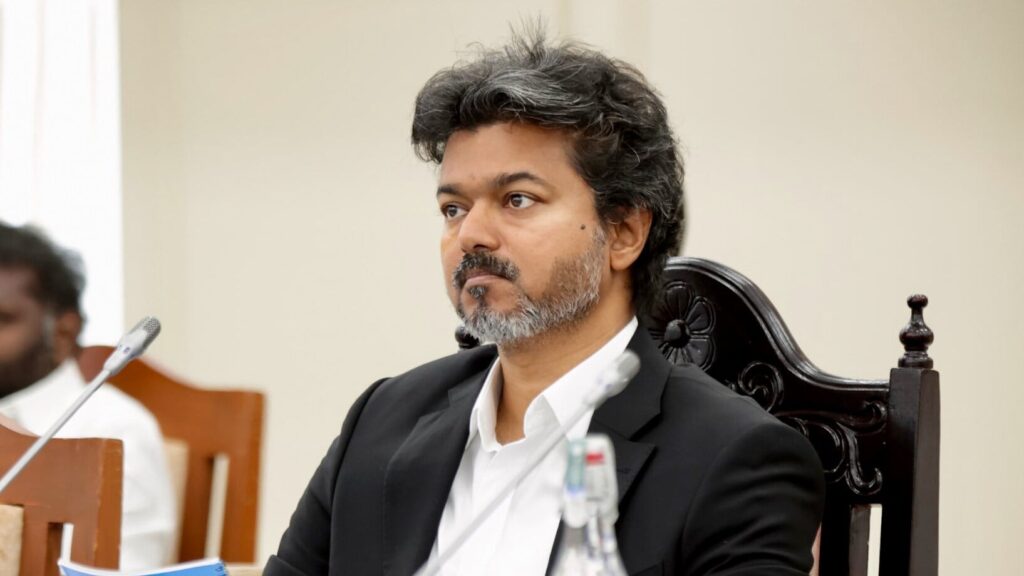
K. Annamalai’s case is a little different. He is not trying to establish a new party, but has already established his political identity within an already strong national party.
Annamalai, a former IPS officer, has developed an image of an aggressive and outspoken leader in Tamil Nadu politics. He continuously targeted other parties including DMK while trying to strengthen BJP in the state.
His style appeared different from traditional Tamil politics. By raising issues like social media, direct communication and corruption, he tried to make his mark especially among the youth.
Yet the challenge before Annamalai is different. He will have to combine his personal popularity with the party’s organisation and election strategy. This will decide whether his politics remains limited to just being a popular face or makes a bigger impact in the long run.
Can Vijay become India’s first ‘Political Unicorn’?
The term ‘unicorn’ is usually used for start-up companies whose value exceeds one billion dollars. In politics, the term can be used to describe a new political player who gains extraordinary influence in a short period of time.
Vijay’s political journey is being seen from this perspective. His biggest strength is his existing support base. But this could also become his biggest challenge. Film popularity and political acceptance are not the same things.
Vijay now has to prove that his supporters can become not just fans but also active political workers and voters. For this, the party will have to strengthen its organizational structure and prepare a new team of leaders at the local level.
If TVK is able to successfully bring about this change, its impact on Tamil Nadu politics cannot be limited to just one election.
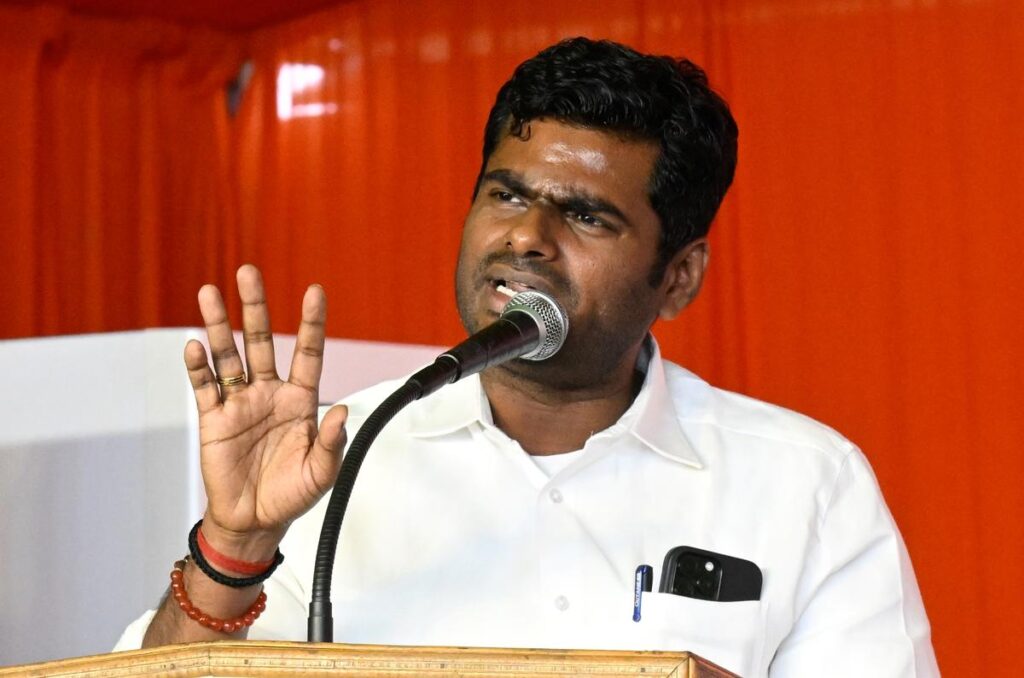
Has the ‘start-up moment’ arrived in Indian politics or is the wait still on?
New parties and new faces have been coming into Indian politics before also. Some made a big impact early on, but faded over time. Therefore, just having a new face or a new party does not in itself guarantee political success.
PK, Vijay and Annamalai have entered politics through three different paths. Kishor talks about electoral strategy and issue-based politics, Vijay is trying to convert popularity into political organisation and Annamalai is making a place for himself through his style within an established party.
The journey of these three points to a big question – is the Indian voter now ready to move beyond traditional political identities and give a chance to new faces and new political models? The answer to this will not be found only through speeches or social media popularity. The real decision will be made on the electoral field, where organisations, candidates, local issues and public trust come together.
At present, it is certain that there is scope for new experiments in Indian politics. If leaders like Vijay, Kishor and Annamalai succeed in converting their popularity into strong organisations and sustainable political ideology, the ‘start-up model’ of politics could become not just a buzzword but a new political reality in the coming years.