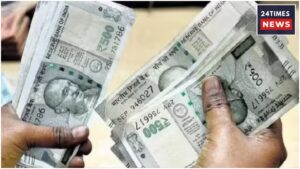

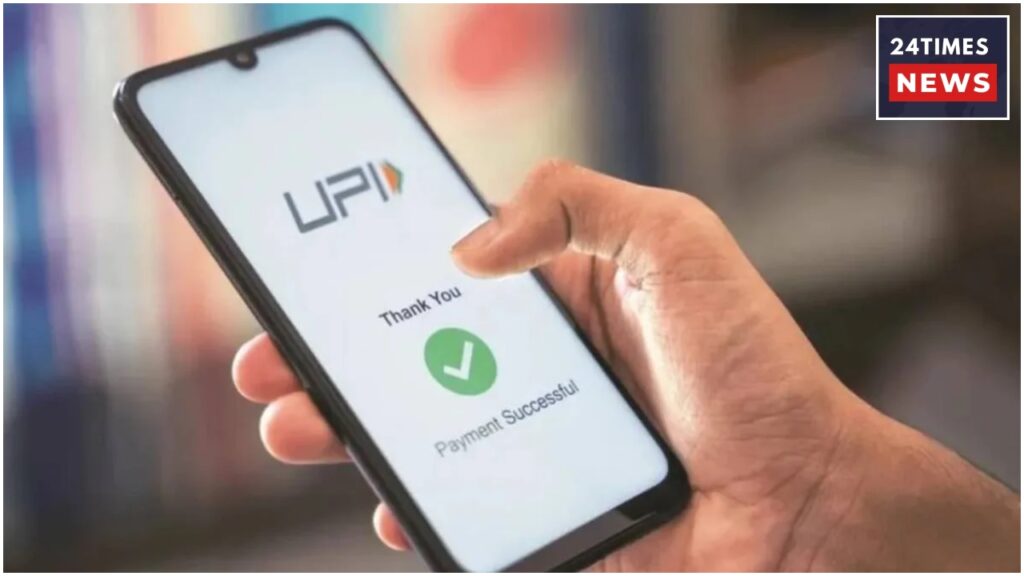
New Delhi: If you make payments via UPI, charges have increased. This hike applies to UPI transactions exceeding ₹2,000. The National Payments Corporation of India (NPCI) has announced the Merchant Discount Rate (MDR) for UPI transactions, stating that a charge of 0.4% will be levied on person-to-merchant payments above ₹2,000.
This means there will be no direct impact on ordinary consumers; however, shopkeepers or merchants will be charged 0.4% on online payments exceeding ₹2,000. The MDR will come into effect on October 15. The NPCI stated that for transactions exceeding ₹75,000, the MDR will be capped at ₹300 per transaction.
Fixed MDR Details
The NPCI announced that for specific merchant categories such as railway and telecom services, insurance, and fuel, a fixed MDR of ₹5 per transaction will apply to payments exceeding ₹2,000. The Economic Times (ET) was the first to report this on July 16, noting that the government would reintroduce MDR on Unified Payments Interface (UPI) transactions.
The NPCI has not set any limits based on merchant turnover for this policy.
In its announcement, the NPCI stated that merchants operating in the person-to-merchant category would continue to benefit from a zero-MDR rate. This category includes merchants who receive less than ₹1 lakh per month in their accounts via UPI—such as small shopkeepers, street vendors, and local businesses. Estimated Revenue
For context, brokerage firm Bernstein had previously estimated that applying a 40-bps MDR to half of the UPI merchant transaction value could generate a revenue pool of ₹22,000 crore by 2027-28. Furthermore, the NPCI stated that the MDR is distributed within the UPI ecosystem to facilitate further investment in infrastructure strengthening, innovation, cybersecurity (securing UPI infrastructure across banks and non-banks), and customer service.

Understand the distinct rates for services.
UPI has introduced significant regulatory changes. Instead of levying percentage-based charges for essential services such as railway tickets, fuel purchases, insurance, and telecom, a flat Merchant Discount Rate (MDR) of ₹5 has been set. This means that for any UPI payment exceeding ₹2,000 (whether it is for ₹2,500 worth of fuel or a ₹50,000 insurance premium), the merchant incurs a fixed charge of only ₹5. This fixed rate keeps costs stable, ensuring that no indirect financial burden is passed on to the customer.
Why is the framework necessary?
According to the government, a massive infrastructure supports the system that handles billions of UPI transactions every month. Keeping servers operational around the clock, thwarting cyberattacks, and preventing fraud are highly costly undertakings. Banks and fintech companies have long been demanding compensation for these costs.