
Table of Contents
While ‘Maachis’ has received praise, why has ‘Satluj’ faced questions? Jimmy Shergill explains the role of politics
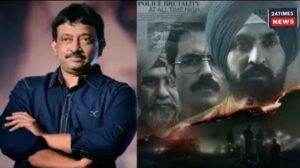
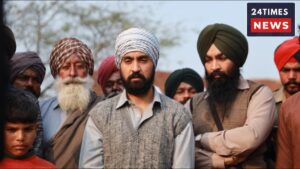
Actor Jimmy Shergill has spoken openly about the relationship between films and politics. He said that politics is a part of society and it is not easy to remain completely away from it. His statement comes at a time when his film ‘Satluj’ is facing controversy and hurdles, while ‘Maachis’, based on the turbulent period of Punjab, received widespread acclaim in its time.
The questions raised about “Satluj” have once again reignited the debate about how easy it is for films dealing with politically sensitive subjects to reach audiences, especially when the film’s story touches on real-life political events, regional identity, or times of violence. Jimmy Shergill’s statement has given new discussion to this question.
The context of his statement also relates to a time when controversies are increasing in the entertainment world regarding films and web content available on digital platforms. Amid the global OTT takedown surrounding Diljit Dosanjh’s film, the comparison between ‘Satluj’ and ‘Maachis’ has brought back old questions about Punjab politics, cinema and censorship.

What did Jimmy Shergill say about ‘Satluj’?
According to Jimmy Shergill, it is difficult to view films completely separate from the political and social environment. He says that politics exists and will continue to exist. Therefore, when the story of a film touches upon a sensitive political or historical period, it is not new for controversy to be associated with it.
The obstacles faced by ‘Satluj’ are being seen in this context. The film’s subject matter and backdrop have generated interest among audiences, but have also raised questions about whether the current environment is more complex than before regarding politically sensitive stories. Jimmy Shergill’s statement directly points towards this contradiction.
While filmmakers may want to portray real events and difficult times in society, such stories can lead to political backlash, controversy, and public pressure.
How did ‘Maachis’ become a special film in Jimmy Shergill’s career?
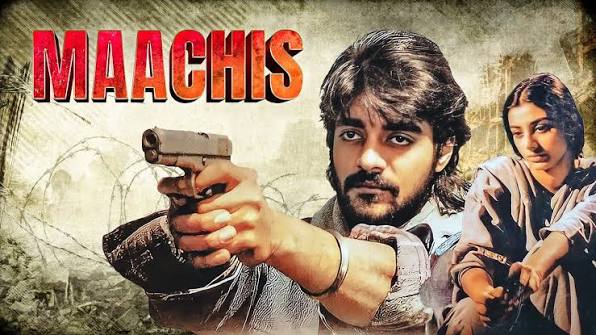
‘Maachis’ was one of the important early films of Jimmy Shergill’s career. Directed by Gulzar, the film was set against the backdrop of militancy in Punjab in the 1980s. The story tried to present the social and political unrest of that period from a human perspective.
The film also starred Jimmy Shergill along with actors like Chandrachur Singh, Om Puri and Tabu. Both the story and the performances received positive response from audiences and critics. The film also made its way to the National Film Awards and won two honours.
These included the award for Best Popular Film Providing Wholesome Entertainment and the Best Actress award for Tabu. This is the reason why ‘Maachis’ is not only considered a political film but is also counted among the important films of Hindi cinema.
Why did the comparison between ‘Maachis’ and ‘Satluj’ increase the debate?
The background of both the films is related to the political and social developments of Punjab, but their times and circumstances are different. ‘Maachis’ based its story on the militancy and its impact in Punjab in the 1980s. The film met with critical and commercial success upon its release.
‘Satluj’ is in the news at a time when social media, OTT platforms and political debates quickly widen the reaction to the content of any film. Controversies related to a film can become a topic of discussion not only at the national level but also at the international level within a few hours.
This change has made the comparison between the two films interesting. The question is not only whether the story of a film is political or not, but also what circumstances such a story has to face in reaching the audience in today’s digital era.
Punjab’s stories have been questioned again amid the OTT controversy.
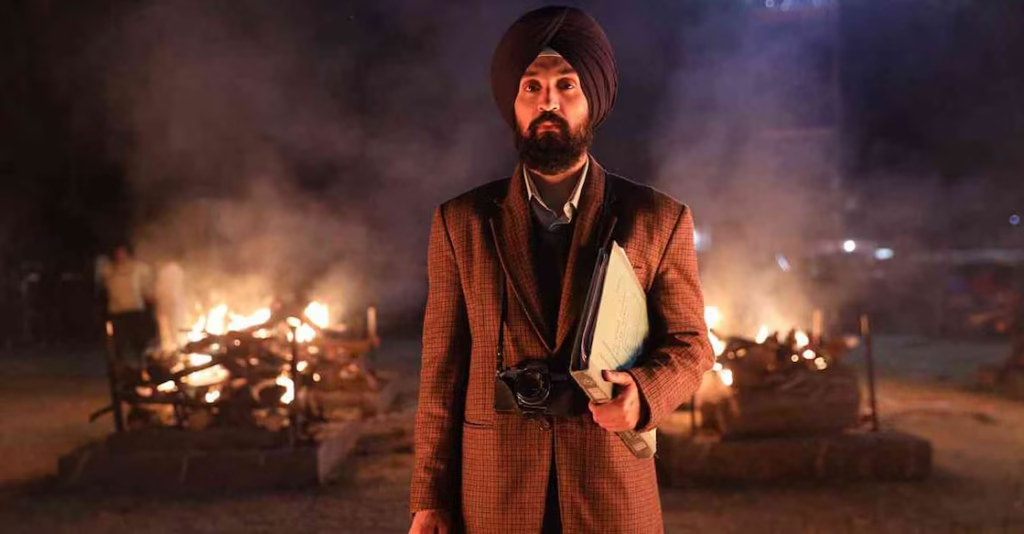
The discussion surrounding ‘Satluj’, amidst the global OTT takedown surrounding Diljit Dosanjh’s film, has also raised questions about the digital future of regional and political stories. OTT platforms have made the reach of films wider than ever before, but with this, new challenges regarding content have also emerged.
Films based on the history, politics and social struggles of Punjab have had a different relationship with the audience. Such stories are not limited to mere entertainment, but also become linked to history and collective memory. For this reason, the reaction to their portrayal may also be more sharp.
Jimmy Shergill’s statement draws attention to the big question of whether artists and filmmakers are forced to be more cautious than before while making films on political subjects. This debate does not seem to end at the moment amid the success of ‘Maachis’ and the obstacles faced by ‘ Jimmy Shergill explains the role of politics’.