

Table of Contents
Morning Shockwave: Nikkei 225 Catches Wall Street’s Cold
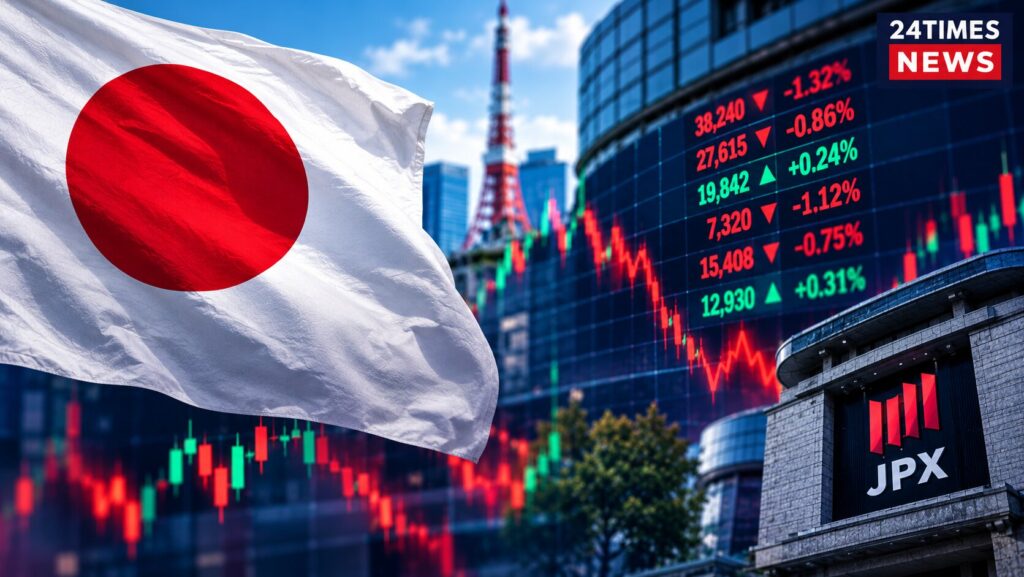
Japanese stocks opened the session on the back foot after Wall Street’s overnight mayhem spilled into Asia. Investors from Tokyo to Seoul couldn’t escape the fallout as the Nasdaq tumbled 2.6% and the S&P 500 lost more than 1.2% the night before. The mood was anything but hopeful when the Nikkei 225 kicked things off at 62,667.05 points already down, straight from the opening bell. By 10:15am in Tokyo, panic selling sent the market all the way down to 61,825, a deep drop of over 1.6%.
Why all the drama? A cocktail of worry was brewing questions about runaway spending on artificial intelligence projects in tech, sky-high valuations for big companies, plus those relentless headaches over Japan’s heavy energy import bills. While Wall Street sparked the fire, it was Asia’s turn to feel the heat.
Late-Day Recovery: Defensive Plays Pull the Market Back
It wasn’t all bad news. After the shaky start, the mood began to shift by the afternoon. Big institutional investors swooped in to pick up shares of defensive sectors think companies selling everyday goods, retailers, and cybersecurity firms. Names like Mercari, Aeon, and Shiseido attracted steady buying, helping the market crawl back. When the closing bell rang at 3pm, the Nikkei 225 had trimmed much of its earlier fall, closing at 62,368.00 points. That’s a loss of just 153.24 points, or 0.25% nowhere near as ugly as the morning looked.
Broad Market Overview: Bigger Picture Moves
The JPX-Nikkei Index 400 lost 0.31%, notching a final reading at 35,420.12 points. The Nikkei Semiconductor Index was hit harder, falling 2.15% as chipmakers led the selling. The yen hovered near 157.08 to the dollar, offering a little help to big Japanese exporters, even as steep energy costs kept everyone on edge. Benchmark oil prices kept climbing, with Brent crude ending above $111 per barrel.
How Tech and Retail Shaped the Day
Tech was the hot potato no one wanted. SoftBank Group plummeted by 7%, Kioxia tumbled by the same percentage, and TDK Corp lost more than 5.6%. Meanwhile, companies selling to everyday Japanese consumers got a lifeline. Investors rushed to retail names. Mercari soared over 7%, Aeon gained 4.5%, and Shiseido jumped almost 4%. Trend Micro, a cybersecurity name, also added 2.15%.
Four Big Forces Drove the Market
1. AI Spending Fears and U.S. Tech Pullback
What really ignited the sell-off? Thursday night’s chaos on Wall Street. Big U.S. tech companies, like Lam Research and Meta, were hammered, falling more than 11% and 7% respectively. Investors grew uneasy about whether massive spending on high-tech data centers and AI would ever pay off in the near-term. This sense of doubt hit every corner of Asia, especially tech-heavy markets. South Korea’s Kospi fell 2.4%. Back in Japan, the impact was immediate: SoftBank and Kioxia, who are deeply tied to the tech and chip world, saw their shares plunge.

2. Shift to Defensive Sectors
As tech’s troubles deepened, investors needed somewhere safer for their money. Instead of holding onto volatile tech stocks, they switched to companies who make money from steady, everyday business with Japanese consumers. Retail, online shopping, cosmetics, and even cybersecurity software companies became hot picks. That explains why Mercari, Aeon, and Shiseido made such big moves on a shaky day.
3. Energy Costs and Currency Buffers
The yen staying weak (around 157 per dollar) means Japanese exporters earn more when they convert overseas sales—good news for firms like Toyota, Honda, and Komatsu, especially as they get ready to report quarterly results. On the other hand, Japan still has to buy most of its fuel from abroad. Every time oil jumps higher, it squeezes profits for manufacturers and raises living costs, keeping the pressure on companies and policymakers alike.
4. Market Volatility & Bond Moves
With stocks swinging wildly, many turned to government bonds for safety. Yields on the 10-year Japanese Government Bond dipped as investors sought shelter, easing the blow for real estate and utility companies. Banks, though, tracked those yields lower, making for a mixed bag.
Detailed Performance: Winners and Losers
Let’s break it down a little more. On the Tokyo Stock Exchange’s Prime Market, losing companies outnumbered winners two-to-one: 2,345 stocks fell, while just 1,120 gained. Still, there were bright spots.
Top Gainers
- Mercari Inc: Soared 7.33% to close at 3,704 yen. It benefitted from steady consumer traffic and investors hunting for shelter from tech’s storms.
- Aeon Co Ltd: Jumped 4.51% to 1,181 yen. Defensive retail is never quite out of fashion in a down market.
- Shiseido Co Ltd: Rallied 3.92% to 3,709 yen, bouncing back thanks to revived faith in homegrown brands.
Biggest Losers
- SoftBank Group: Fell hard down 7% to 4,020 yen, its ties to tech and AI made it too risky for most.
- Kioxia Holdings: Dropped 7% to 11,700 yen as the memory chip sector took a beating.
- TDK Corp: Down 5.61%, landing at 2,624.5 yen after a tough session for tech hardware.
- Hitachi Ltd: Lost 4.37% following profit-taking in capital equipment.

Technical Check: Where Is The Nikkei Headed?
Opening near 62,667, the Nikkei 225 dropped quickly but then staged a comeback to settle at 62,368. It managed to hold above major technical support at 61,800. Just below that, the 200-day simple moving average stands around 60,500 a key “line in the sand” for traders.
Strong resistance now sits at Wednesday’s high near 64,621, with an even tougher barrier at the 50-day moving average around 66,290. If the index breaks through these resistance zones, things could look up, but slipping past the 61,800 floor would spark worries about a deeper fall.
The Nikkei Volatility Index hovered near 30.85 down from the morning’s panic, but it still signals that traders are keeping their guard up, especially with big policy updates and earnings on the way.
Currency, Bonds, and Commodities: Looking Beyond Stocks
Cross-asset markets painted a mixed picture. The U.S. dollar remained firm at 157.08 yen. This helps Japanese exporters but makes everything bought from abroad pricier. The 10-year JGB yield fell just a touch, a sign investors prefer the safety of bonds when stocks wobble. Oil prices are a constant thorn, with Brent crude ending above $111 and WTI over $99 both up more than 2% in a single day, meaning higher input costs for manufacturers and less wiggle room on profits.
Gold slipped as investors cashed out metals to cover stock losses. Meanwhile, South Korea’s Kospi index followed the same tech-led decline as Tokyo.

The Road Ahead: Late October Market Watch
Looking forward, three events matter most for anyone with skin in the game:
- Bank of Japan Policy Review (October 29–30): Everyone’s waiting for signs on where interest rates, inflation, and bond buys might be heading next. Governor Kazuo Ueda’s comments could sway things a lot.
- Japanese Corporate Earnings (Fiscal Q2): Next week, major exporters and tech conglomerates will update investors on their yearly targets and how they’re dealing with a shifting yen.
- US Federal Reserve Decision (October 27–28): Forget about Tokyo the whole world will be watching the Fed’s take on inflation and rates. Whatever happens there is sure to wash up on Japanese shores.
Where Market Pros See the Nikkei Going
If the Nikkei falls below 61,825, the next stop could be the long-term support near 60,500 points. If it holds between 61,825 and 63,500, expect some sideways, back-and-forth trading while everyone waits and watches. A break above 64,621 would be a bright sign, possibly targeting the 50-day moving average near 66,290.
Key Market Stats for October 23, 2026
- Nikkei 225 closed at 62,368.00, down 0.25%
- JPX-Nikkei 400 finished at 35,420.12, down 0.31%
- Nikkei Semiconductor fell to 21,210.45, down 2.15%
- Intraday trading range was 61,825.26 to 62,667.05
- Advancers: 1,120, Decliners: 2,345
- Dollar/Yen exchange rate: 157.08
- Support at 61,825 and 60,500 // resistance at 64,621 and 66,290
Final Word: Uncertainty Hangs Over Tokyo Markets
Friday’s trading shows just how tightly Japan is tied to the rest of the world, especially the fate of big U.S. tech companies. A lot is still up in the air earnings, central bank policy, global energy prices. Until there’s more clarity, you can count on more swings, more split-second moves by investors, and plenty of headlines still to come.
Remember, these numbers and takes are for market tracking and general info only, not investment advice everyone should do their own homework before making a move. The only thing certain in markets right now is the uncertainty itself.