
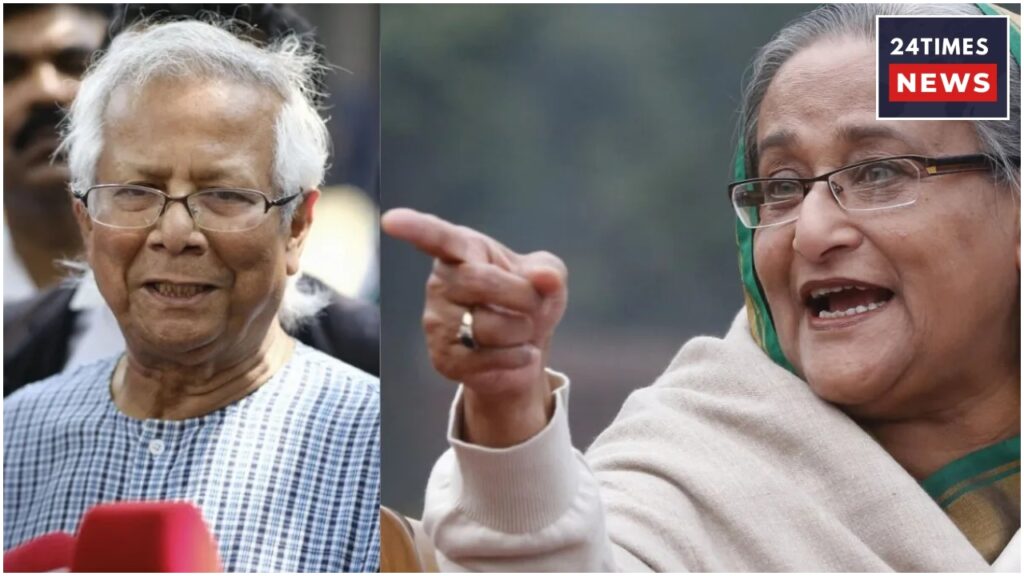
New Delhi: It is no secret to the world that a coup took place in neighbouring Bangladesh two years ago. The events ranged from political conflict to bloodshed and mass killings. As the situation deteriorated, the then-Prime Minister, Sheikh Hasina, was forced to flee the country. Amidst efforts to restore normalcy, Muhammad Yunus was named the head of the interim government. However, the situation has not yet returned to normal.
Religious violence has raised questions about the democratic framework of Bangladesh. A new revelation has emerged regarding how the coup in the country was orchestrated. It is alleged that a senior journalist from the news agency AFP acted as an intermediary, facilitating contact between student leaders and Muhammad Yunus.
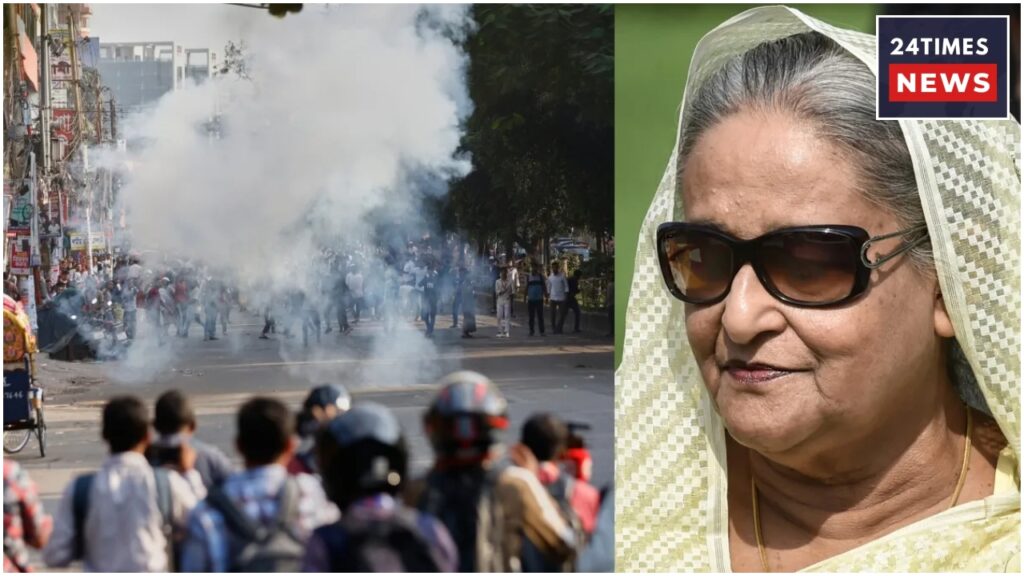
A major claim regarding the coup in Bangladesh
Shafiqul Alam, a former press secretary to Yunus and a former AFP journalist, has made a startling claim. His revelation has raised new questions about the sequence of events during the coup in Bangladesh and the strategy behind it. According to Shafiqul Alam, in August 2024—at the height of the backlash against Sheikh Hasina student leaders taking to the streets were looking for someone who could convey their message to Muhammad Yunus.
Kadruddin Shishir, an editor with AFP’s fact-check team, reportedly took charge of this highly sensitive and covert operation. From the AFP office in the capital, Dhaka, Shishir allegedly scripted the entire sequence of events. This occurred at a time when the Sheikh Hasina government’s intelligence apparatus was actively operating across the country. Had the government caught wind of these secret communications, the journalists involved could have faced severe consequences.
Understanding the full script of the coup
This significant revelation was made by Alam in a Facebook post. In his post, he wrote that it was Shishir who first reached out to Yunus on behalf of the student leaders, and also facilitated the initial communication regarding the two letters. According to Alam, Shishir sat just a yard away from him in their office and carried out this highly sensitive task with complete discretion.
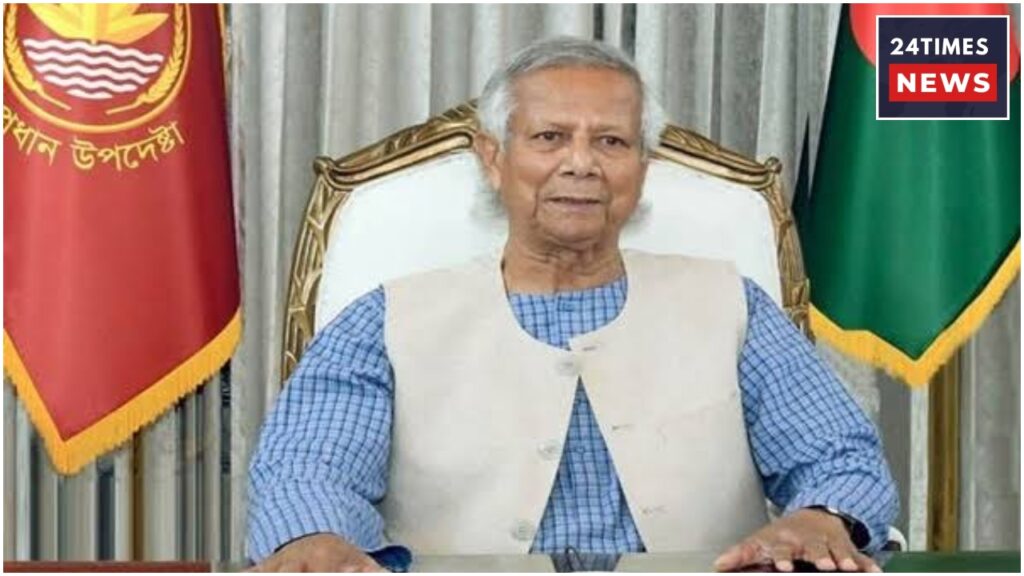
He noted that while Sheikh Hasina’s government was weakening at . the time, the effort to orchestrate a regime change was fraught with significant risk. Had the Hasina administration caught wind of this, Shishir and the entire AFP team would likely have ended up in the ‘Ainaghar’a term used in Bangladesh for a notorious secret detention centre where, under the Hasina regime, political opponents were allegedly held illegally, tortured, and even killed.
Alam wrote, “Throughout this, Shishir remained remarkably calm and composed; he even quietly began gathering video evidence of the atrocities allegedly committed by the government.” According to the Bangladesh Sangbad Sangstha (BSS), in June 2025, months after Hasina’s ouster,r Shafiqul Alam won an award from the Society of Publishers in Asia (SOPA) for breaking the news of Hasina’s flight from Bangladesh.