

New Delhi: Central government employees are eagerly awaiting the implementation of the 8th Pay Commission. It has been exactly one year since the government constituted the 8th Pay Commission on November 3. The committee formed for this purpose is currently holding meetings across the country to gather feedback from central government employees. All eyes are now on the extent to which the salaries of central government employees and pensioners will increase.
The salary hike will be based on a ‘fitment factor,’ and it remains to be seen what this factor will be under the 8th Pay Commission. This is expected to benefit 5 million (50 lakh) central government employees and 6.5 million (65 lakh) pensioners. Other key questions include when employees will begin receiving their increased salaries and how the payment of any arrears will be handled.

When was the 8th Pay Commission constituted?
The central government constituted the 8th Pay Commission on November 3, 2025. It is chaired by Justice Ranjana Prakash Desai, a former judge of the Supreme Court. Professor Pulak Ghosh serves as a member, while Pankaj Jain serves as the member secretary. The Commission has been given 18 months to prepare its recommendations, with a deadline of May 3, 2027, for the submission of its report. Its mandate includes reviewing the salaries, allowances, pensions, and other benefits provided to central government employees.
What could the fitment factor be?
A major point of interest for central government employees is the fitment factor, which will be used to convert the current basic salary into a new basic salary. Under the 7th Pay Commission, a fitment factor of 2.57 was applied, which raised the minimum basic salary from ₹7,000 to ₹18,000.
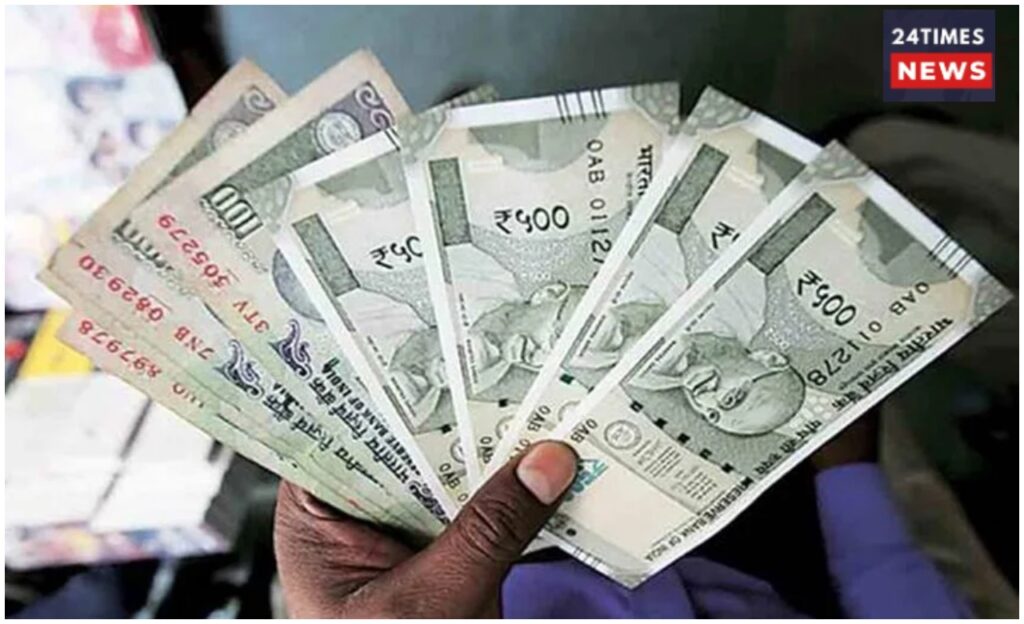
Employee unions have now requested a higher fitment factor from the 8th Pay Commission. Meanwhile, the staff side of the National Council-JCM has proposed a fitment factor of 3.833 and a minimum basic salary of Rs 69,000. However, these are merely the demands of the employee organisations; the government has not yet approved any specific fitment factor or new minimum salary.
Changes to Pensions
It should be noted that the scope of the 8th Pay Commission also includes pensions and retirement-related benefits. Consequently, existing pensioners and recipients of family pensions are likely to receive some relief. However, the extent of the pension increase and the method for its calculation have not yet been determined. A final decision will be reached only after the Commission submits its recommendations and the government grants its approval.
When Will Arrears Be Paid?
If the government implements the recommendations of the 8th Pay Commission effective from January 1, 2026, employees and pensioners may become eligible for arrears covering the intervening period. In such a scenario, the government would disburse these arrears as a lump sum, credited directly into the accounts of the employees.