
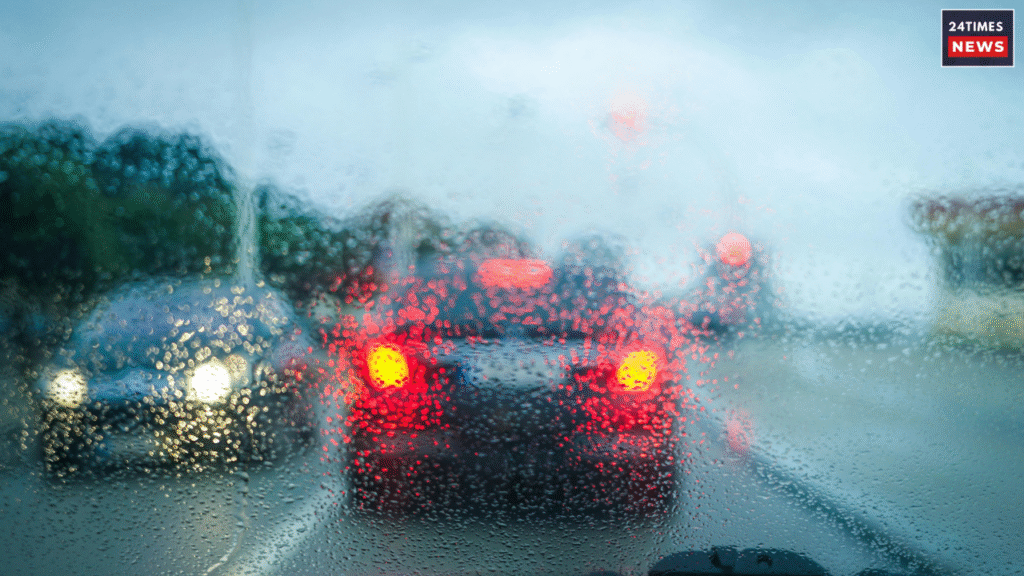
Rainy weather can be challenging not only for drivers but also for their vehicles. Continuous exposure to rain, muddy roads, and waterlogged streets can affect a car’s engine, electrical components, brakes, and overall performance. Even a small mistake while driving through flooded areas may lead to costly repairs. That is why taking a few preventive measures before and during the monsoon season is important. Proper vehicle care and safe driving habits can help avoid unexpected breakdowns and keep your car running smoothly. Here are five simple but effective tips to protect your car from rain-related damage and ensure a hassle-free driving experience.
Ways to Protect Your Car During the Rainy Season
One of the simplest ways to protect your car during the rainy season is to avoid heavily waterlogged roads. Deep water can easily enter critical parts of the vehicle, leading to costly damage. Since most hatchbacks and sedans are not built for flooded conditions, it is always safer to take an alternate route if the water level looks high. A small detour can save you from major repair bills and unexpected trouble later.
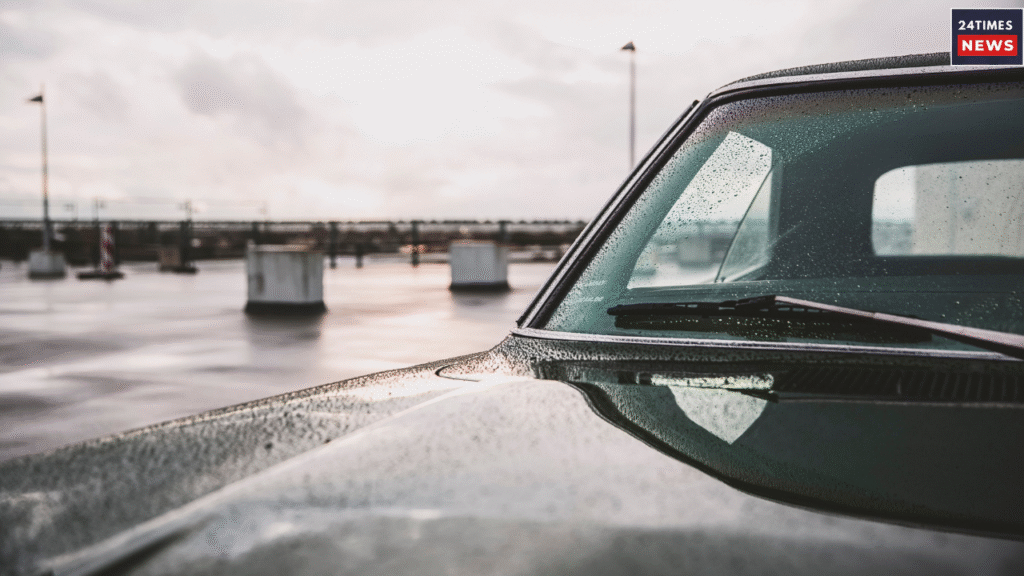
If your vehicle stops in a waterlogged area, resist the urge to restart the engine repeatedly. When water enters the engine system, attempting to start the car can lead to severe internal damage and significantly increase repair costs. In such situations, it is advisable to move the vehicle to a dry and elevated spot with assistance and seek professional inspection. Taking this precaution can help protect the engine and prevent a minor issue from turning into a major mechanical problem.
Driving through flooded roads can leave moisture trapped in key braking components, which may affect stopping performance. Once you have safely crossed a waterlogged stretch, it is advisable to test the brakes by applying them gently several times. This process helps remove any water that may have accumulated between the brake pads and discs, allowing the system to regain its normal efficiency. Regularly checking brake response after driving through standing water is a simple yet important precaution that can help maintain vehicle safety during the rainy season.
If you have no option but to drive through a waterlogged road, try to keep the car moving at a slow and steady speed. Avoid stopping in the middle of the flooded area, as this can increase the risk of water entering the engine. It is also important not to switch the engine on and off repeatedly while crossing such stretches. Following these simple precautions can help protect your car from damage and reduce the chances of unexpected breakdowns during the rainy season.