Tips
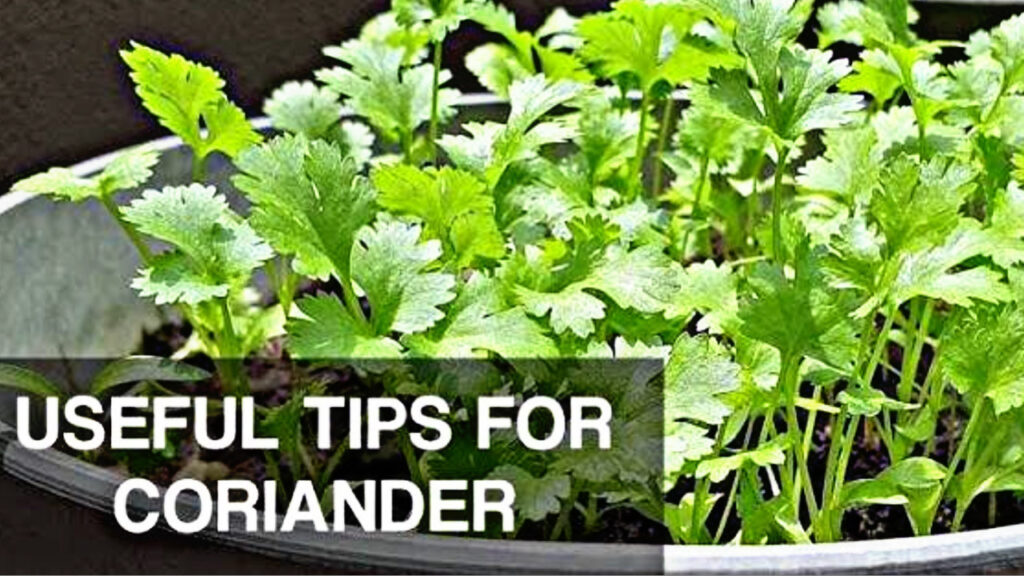
Coriander, known as dhania in Hindi, is a versatile herb that adds a fresh, aromatic flavor to many dishes. Growing coriander at home is not only cost-effective but also ensures that you have fresh, organic leaves available whenever you need them. Whether you have a spacious garden or just a small balcony, growing coriander is simple and rewarding. Here are some easy tips to help you grow coriander at home.
1. Choose the Right Container
Coriander can be grown in almost any container. If you don’t have a garden, pots, planters, or even recycled containers can work well. The key is to ensure the container has proper drainage holes. Coriander has long roots, so choose a container that is at least 6-8 inches deep. A shallow container may not allow the plant to grow properly.
2. Pick the Right Soil
Coriander thrives in well-draining, fertile soil. Use a mix of garden soil, compost, and sand. You can also purchase a ready-made potting mix that’s specifically designed for herbs. The pH of the soil should ideally be neutral to slightly acidic (6.5–7). If the soil retains too much water, the roots may rot, so make sure the soil drains properly.
3. Seeds or Seedlings?
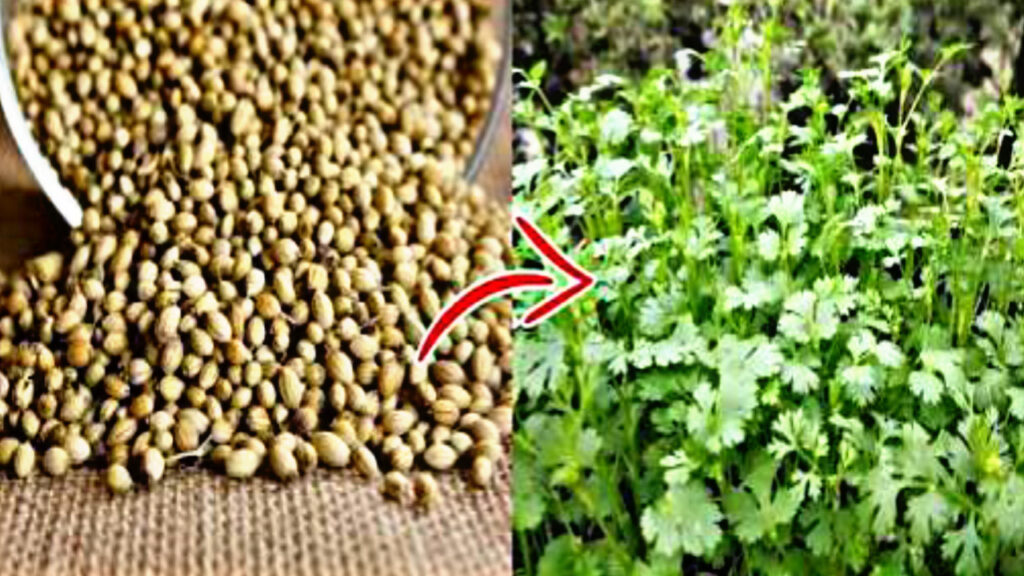
Coriander can be grown from both seeds and seedlings. However, starting from seeds is the most cost-effective and simple way. You can buy coriander seeds from a local nursery or online. Soak the seeds in water for about 24 hours before planting to improve germination. Alternatively, you can purchase young coriander plants, though they may not grow as quickly or as abundantly as those grown from seeds.
4. Planting Coriander
Plant coriander seeds about half an inch deep in the soil. Leave about 1-2 inches between seeds to allow them room to grow. If you’re planting in a pot, scatter the seeds evenly over the surface and lightly cover them with a thin layer of soil. Keep the soil moist but not waterlogged, as coriander does not like to sit in water.
5. Location and Light Requirements
Coriander requires full sunlight to grow well, ideally 4-5 hours of direct sunlight daily. Place your pots or containers in a sunny spot, such as a balcony, windowsill, or terrace. However, in the peak of summer, a little afternoon shade may protect the plants from scorching heat. If you are growing coriander indoors, you may need to supplement with artificial grow lights if there isn’t enough natural light.
6. Watering Coriander
Coriander likes moist soil but is not fond of being waterlogged. Water your coriander regularly, but ensure that the water drains well. Watering should be done in the morning to avoid fungal growth in the soil. If the weather is hot, you may need to water it more often. Always check the soil’s moisture level before watering to prevent overwatering.
7. Harvesting Coriander
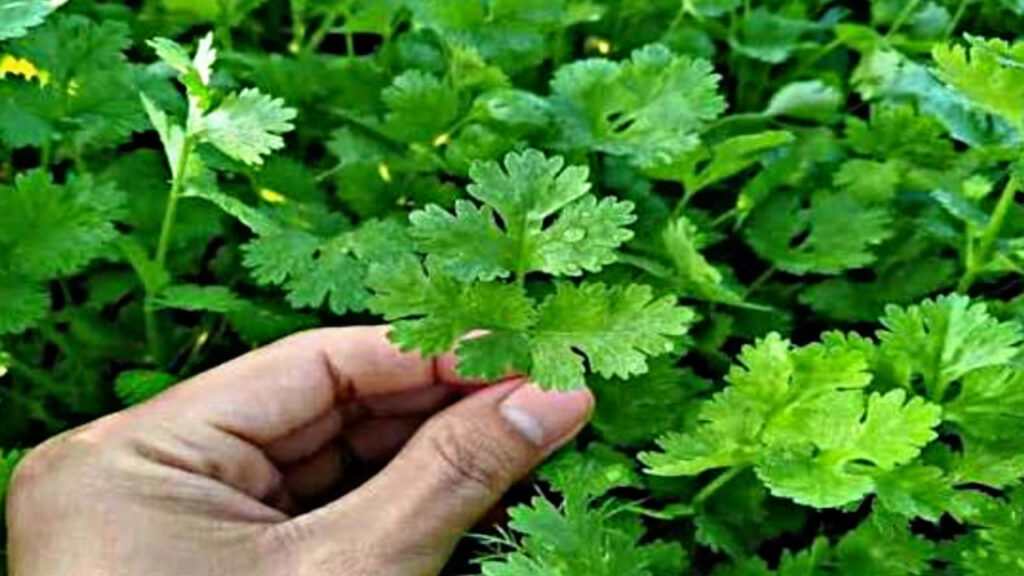
Once your coriander plants have grown a few inches tall and have formed lush green leaves, you can start harvesting. To encourage new growth, it’s best to trim the leaves gradually, cutting off the outer stems. Coriander tends to bolt (flower and go to seed) quickly in warm weather, so regular harvesting can help delay this process. Once the plant bolts, it will stop producing leaves, but you can use the seeds for cooking or replanting.
8. Common Problems and Solutions
- Yellowing Leaves: This can happen due to overwatering or poor drainage. Make sure your pot has proper drainage.
- Slow Growth: If your coriander isn’t growing well, it could be due to insufficient light or poor soil. Ensure it gets enough sunlight and nutrients.
- Pests: Keep an eye out for pests such as aphids and spider mites. If you notice them, wash the plant with a mild soapy water solution.
9. Tips for Success
- Coriander is a cool-season herb and tends to grow best in temperatures between 18–25°C. During hotter months, try to keep the plant in partial shade.
- If you’re growing multiple coriander plants, you can stagger the sowing of seeds every 2-3 weeks. This will ensure a continuous harvest.
By following these simple tips, you can grow fresh, fragrant coriander at home with little effort. Whether you use it in curries, salads, or as garnish, home-grown coriander will elevate the flavor of your dishes and give you a sense of satisfaction. Happy gardening!