
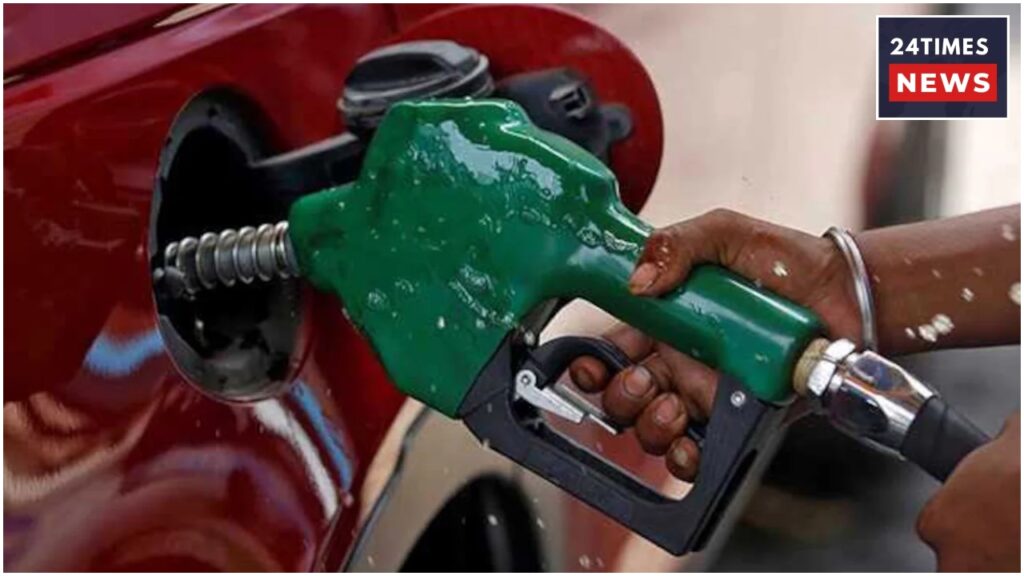
New Delhi: Rising crude oil prices in the global market have created the risk of petrol and diesel becoming more expensive in many countries. Brent crude has reached a five-month high, trading above $113 per barrel. If this situation persists, petrol and diesel prices in India could see an increase.
India imports a large portion of its fuel requirements. Purchasing crude oil on such a large scale could impact India’s financial reserves. Consequently, Indian petroleum companies might raise the prices of petrol and diesel, which would significantly disrupt the budgets of consumers.
On Friday, Indian oil marketing companies kept petrol and diesel prices unchanged. If you are planning to refuel your vehicle, you may want to check the prices in your specific city.
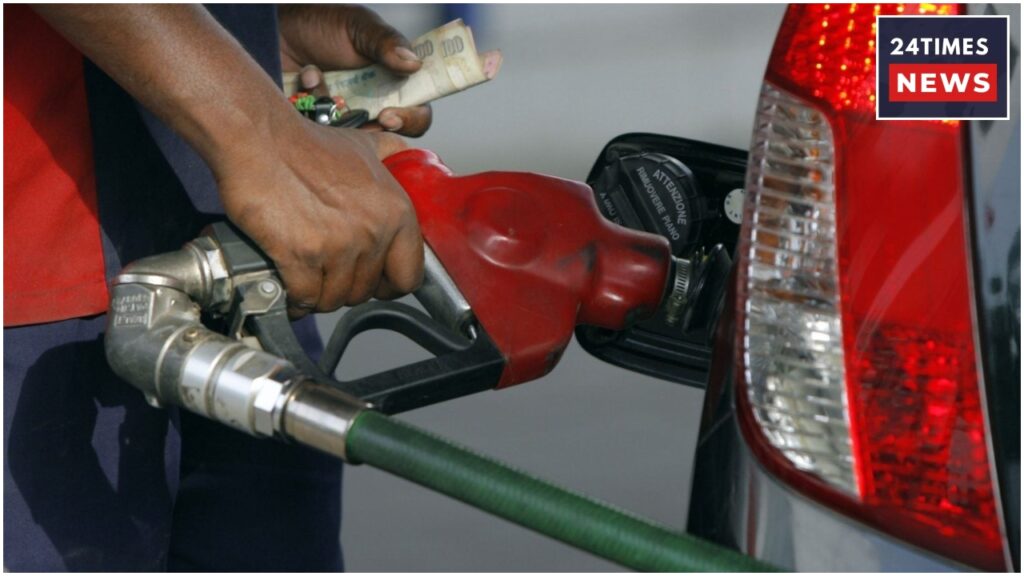
Check petrol and diesel prices by city.
In Mumbai, the capital of Maharashtra, the price of petrol is ₹111.21 per litre, while diesel is trading at ₹97.83 per litre. In Chennai, the capital of Tamil Nadu, petrol is priced at ₹107.76 per litre, and diesel is at ₹99.55 per litre.
In Kolkata, the capital of West Bengal, petrol is priced at ₹113.51 per litre, and diesel is trading at ₹99.82 per litre. In Bengaluru, the capital of Karnataka, petrol costs ₹111.68 per litre, while diesel is priced at ₹99.56 per litre.
In Hyderabad, the capital of Telangana, the price of petrol is ₹116.15 per litre. Here, the price of diesel is currently at Rs 104.23 per litre.
In Lucknow, the capital of Uttar Pradesh, the price of petrol is recorded at ₹101.86 per litre, while the price of diesel stands at ₹95.36 per litre. In Kanpur, petrol is priced at ₹102.35 per litre, and diesel is recorded at ₹95.79 per litre.
In Agra, the price of petrol is ₹101.54 perlitrer. In Chandigarh, the capital of Punjab, the price of petrol is recorded at ₹101.54 per litre, while the price of diesel is ₹89.47 per litre. Meanwhile, in Thiruvananthapuram, the price of petrol is recorded at ₹115.49 per litre.
Oil prices continue to rise.
Saudi Arabia’s infrastructure is facing persistent attacks, resulting in significant economic losses. The risk of supply disruptions in the Middle East has also increased. Consequently, crude oil prices are on a continuous upward trend, and this rise may persist for a third consecutive week.
This tension has disrupted the movement of vessels through the Strait of Hormuz, driving up the price of crude oil. The situation remains delicate due to the ongoing tensions between the United States and Iran.