The Dawn of Ancient Persia and the Ascent of a Great Empire
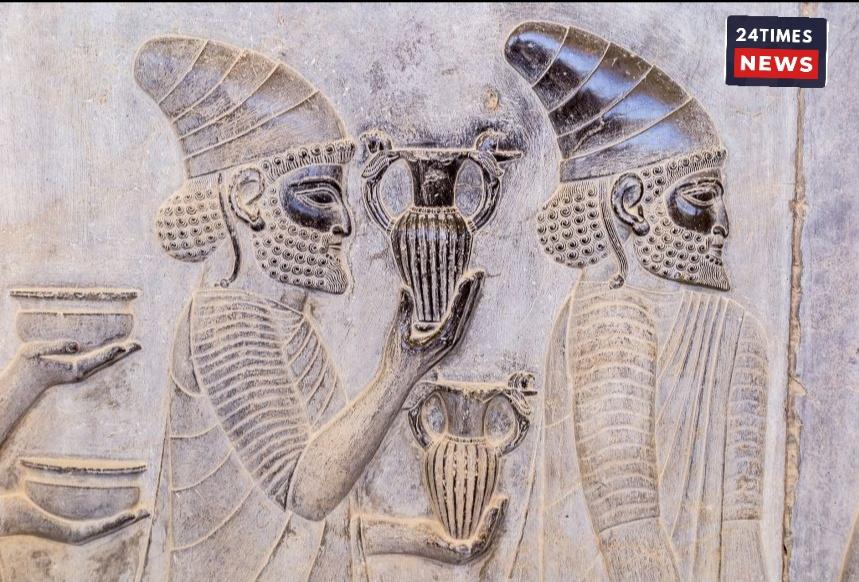
Iran was once known as Persia; it is one of the oldest and most influential civilisations in the world. People started settling in Iran thousands of years ago. Gradually, small communities were formed, farming began, trade increased, and society began to take an organised form. A major turning point came around 550 BC, when a ruler named Cyrus the Great created a strong empire in Iran, which later came to be known as the Achaemenid Empire. During that period, the power of Persia had increased so much that its influence spread far and wide. Its borders extended to many of today’s countries, and it came to be counted among the biggest powers of that time.
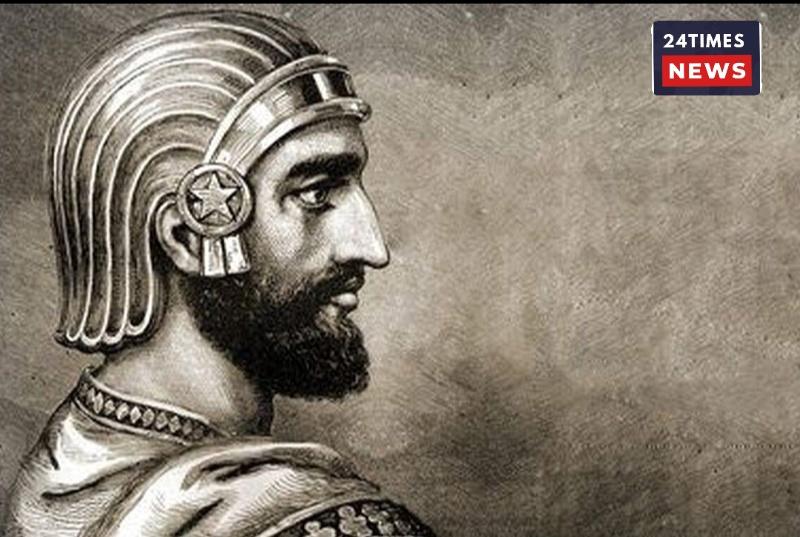
Cyrus the Great is known as the war winning king. Cyrus is one of the wisest rulers in the history of Iran who gave place to every different religion and their cultures in his empire. This is why people idolized him as a visionary leader. During his time, people started trading and the government became more organized than before. After Cyrus, ruler like Darius worked really hard to strengthen the empire further.
A network of roads was laid to facilitate access to remote areas. The tax system was streamlined and efforts were made to run the administration better. At that time, Persia was recognized not only as a powerful empire but also as a well-organized empire.
But no power remains the same forever in history. Times changed and Persia also faced challenges. Alexander the Great attacked in 330 BC. After a long struggle, the Persian Empire weakened and eventually collapsed. Although the power was lost, Persian culture, language and thinking remained alive among the people. Perhaps this is the reason why, despite facing so many ups and downs, Iran remained safe from completely losing its identity.
Roads were built, the tax system was improved and the administration was streamlined. It is said that at that time the influence of Persia was so great that many other states were influenced by it.
But over time, this power began to weaken. In 330 BC Alexander the Great invaded Persia. After a long struggle, the Persian Empire broke up. Although the empire ended, Persian culture and identity did not. This is why Iran was able to maintain its distinct cultural identity even in later times.
The emergence of Islam and shifting socio-religious identities
The history of Iran took a new turn in the seventh century AD. Arab armies began to occupy the region and gradually the influence of Islam began to grow. Earlier, Zoroastrianism was mainly followed here, but with time Islam became the main religion of Iran.
However, despite changing religion, Iran did not completely abandon its cultural identity. The Persian language survived, literature continued to develop, and the influence of art also remained. This is why Iran appears culturally different from many other Islamic countries.
Iran also faced many difficult times during the medieval period. The Mongol invasions caused heavy damage to cities and trade. Many historical cities were destroyed and people had to go through difficult times. But the speciality of Iran has been that it has rebuilt itself after every crisis.
The 16th century saw the rise of the Safavid Empire, which gave Iran a strong identity again. During this period, Shia Islam was declared the state religion. Even today, Iran is among the largest Shia majority countries in the world. The impact of this decision is visible in the politics and society there till date.
Art, architecture and trade received a significant boost during Safavid rule. Mosques, markets and historical buildings were built. At this time Iran again emerged as a strong and organized nation.
Foreign influence, monarchy, and the beginning of modern Iran
By the 19th and 20th centuries, the world was changing, and Iran was no exception. Major powers like Britain and Russia began to increase their influence in the region. After the discovery of oil, Iran’s importance increased further as the world’s attention turned towards its natural resources.
In 1925, Reza Shah Pahlavi came to power. He took many steps towards modernizing the country. New roads were built, railways were expanded and efforts were made to improve the education system. Emphasis was also placed on improving the status of women and promoting western lifestyle.
Later his son Mohammad Reza Shah came to power. Initially, people hoped that the country would develop rapidly, but gradually discontent against the government began to grow. People began to feel that power was moving away from the common people and religious values were being ignored.
This discontent took the form of the Islamic Revolution of Iran in 1979. There were massive protests and ultimately the Shah had to leave the country. A new system was formed under the leadership of Ayatollah Ruhollah Khomeini and Iran became an Islamic Republic. This change was so big that it completely transformed Iran’s politics, society and international relations.
Iran Today – Sanctions, Politics, and a Changing Generation
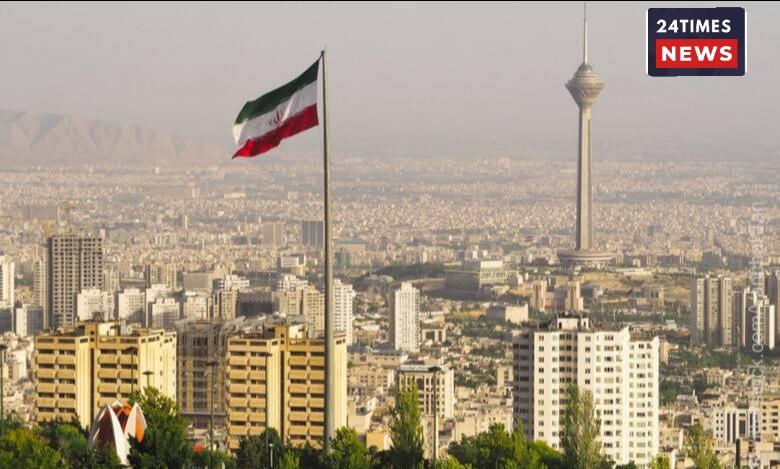
Today’s Iran seems to be a country of contradiction. On one hand there is strong religious tradition and strict rules, while on other hand there is a coming generation which talk about freedom and trying to keep the pace with rest of the world. Especially among the youngsters this is a discussion about employment and social change.
Iran has large reserves of oil and gas, so it is not considered to be short of resources. But the international sanctions imposed over the years have also affected the lives of ordinary people. Challenges like inflation, economic pressure and employment are often part of the discussion there. At the same time, tension in relations with America and some Western countries regarding the nuclear program has also been increasing from time to time.
Despite these difficulties, Iran did not let its importance diminish in the Middle East. He is considered to have a strong hold in regional politics, and his influence is clearly visible on many surrounding issues. This is the reason why the world’s attention is often focused on Iran.
If we look back at the history of Iran, it does not seem to be just a story of the power of kings, wars or political conflicts. This is the story of a country that witnessed the era of many empires, faced foreign invasions, underwent major social changes and yet did not completely lose its language, culture and identity. Perhaps this is the reason why this country with a history of thousands of years remains a subject of curiosity and discussion for people even today.