Court highlights the importance of an impartial Election Commission, says democracy becomes stronger when elections are conducted without political influence
Supreme Court of India stresses importance of independent Election Commissioners
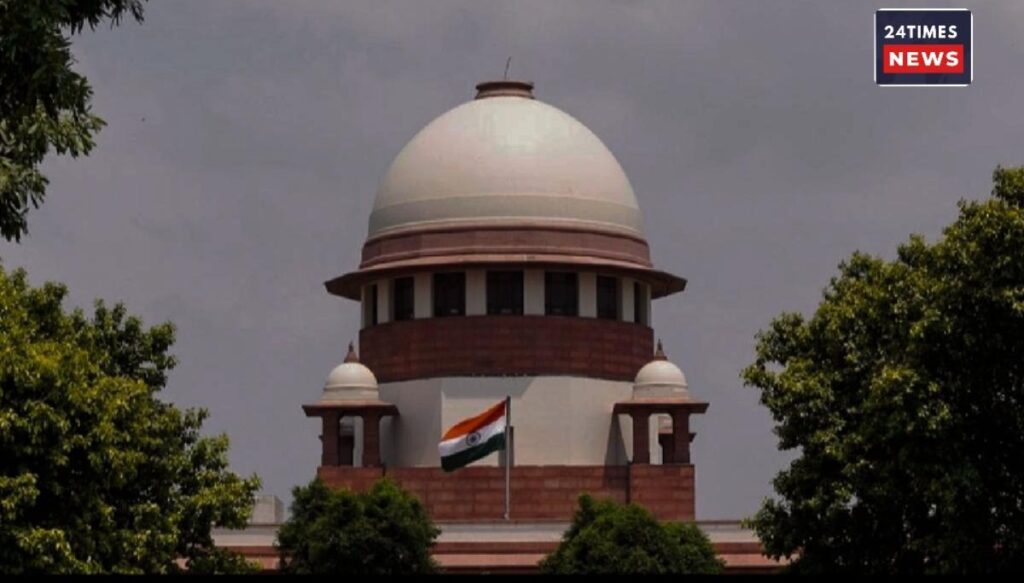
The Supreme Court of India has once again highlighted the importance of maintaining the independence of Election Commissioners for protecting the democratic system of the country. During an important hearing, the court observed that free and fair elections can happen only when Election Commissioners work independently and without any kind of political pressure or outside influence.
The court’s remarks have attracted nationwide attention because elections are considered the foundation of democracy in India. According to the Supreme Court of India, people can truly trust the electoral system only when the institutions responsible for conducting elections remain neutral, transparent, and completely independent in their functioning.
The observations were made during discussions on the appointment process and the functioning of Election Commissioners. The court reportedly emphasised that the Election Commission of India plays a critical role in ensuring that every political party has a fair opportunity in elections and that every citizen’s vote is protected equally.
Legal experts believe the statement from the Supreme Court is significant because it reinforces the idea that democracy depends not only on voting but also on the credibility of institutions conducting the elections. If people lose confidence in the election process, it can weaken public trust in democratic governance itself.
Political observers say that India, being the world’s largest democracy, conducts elections on a massive scale involving millions of voters, thousands of candidates, and multiple political parties. In such a large and diverse country, the neutrality and independence of the Election Commission become extremely important for maintaining public confidence.
The Supreme Court of India also reportedly underlined that Election Commissioners should be able to take decisions fearlessly and independently in the interest of the Constitution and democracy. According to experts, institutions become stronger only when they are protected from unnecessary political interference.
Why independence of the Election Commission is considered essential for democracy
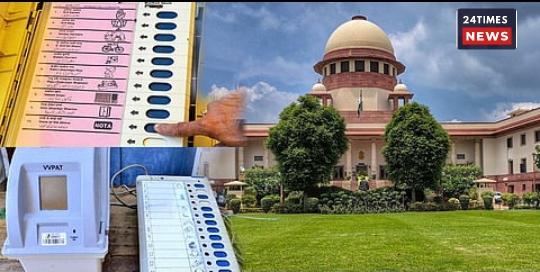
The Election Commission of India is one of the most important constitutional bodies in the country. It is responsible for conducting elections for Parliament, state assemblies, and other important democratic processes. Because of this responsibility, the Commission is expected to function impartially and maintain equal treatment toward all political parties.
Experts say that during elections, the Election Commission takes several critical decisions, including election scheduling, enforcement of the Model Code of Conduct, monitoring campaign activities, and ensuring peaceful voting. These decisions directly affect the fairness of the electoral process.
If Election Commissioners are not independent, there is always a risk that decisions could be influenced by political pressure or favoritism. This could damage the fairness of elections and create doubts in the minds of voters. The Supreme Court’s remarks reflect concerns that institutions responsible for protecting democracy must remain free from external control.
Constitutional experts believe that the credibility of elections depends heavily on the trust citizens place in the Election Commission. People participate in elections because they believe their vote will be counted fairly and honestly. If this trust weakens, democratic participation can also be affected.
Several legal scholars also point out that independence does not only mean freedom from political influence, but also the ability to take tough decisions without fear. Election Commissioners are often required to act against powerful individuals or political parties if rules are violated. Therefore, institutional independence becomes extremely important.
The discussion regarding the appointment process of Election Commissioners has also remained an important topic in recent years. Some experts and political leaders have argued that a transparent and balanced appointment system can help strengthen public confidence in the institution. Others believe that constitutional safeguards must be further strengthened to ensure complete autonomy.
Court’s observations spark wider debate on democratic institutions and reforms
The Supreme Court’s remarks have triggered fresh political and legal discussions across the country regarding electoral reforms and the functioning of democratic institutions. Political leaders, legal experts, and civil society groups are now debating how institutions like the Election Commission can be made stronger and more transparent in the future.
Some political leaders welcomed the court’s observations and said that independent institutions are necessary for protecting democracy. According to them, the Election Commission must always remain neutral and should not come under any form of political pressure. They believe that strong institutions help maintain fairness, accountability, and stability in democratic systems.
At the same time, some experts argue that strengthening democratic institutions requires continuous reforms, transparency, and accountability. They say that institutions become stronger not only through legal protection but also through public trust and ethical functioning.
Political analysts believe that discussions around free and fair elections have become increasingly important in modern democracies across the world. In many countries, questions about electoral transparency, institutional independence, and democratic accountability are regularly debated. India, being one of the largest democratic nations, is often closely observed internationally for the way it conducts elections.
The court’s statement has also started conversations among young voters and students about the importance of constitutional institutions. Experts say that understanding the role of bodies like the Election Commission is essential because these institutions protect citizens’ democratic rights.
Many observers believe that the Supreme Court’s observations serve as a reminder that democracy is not only about political competition but also about maintaining strong and independent institutions. Elections are considered meaningful only when voters trust the system and believe that the process is transparent, unbiased, and fair for everyone.
Legal experts also noted that the judiciary has repeatedly emphasized constitutional values such as fairness, transparency, equality, and accountability in democratic governance. According to them, the latest observations continue that larger constitutional principle.
As discussions continue, many citizens and experts hope that future reforms will further strengthen the independence and credibility of institutions responsible for protecting democracy in India. The debate has once again highlighted how important free and fair elections are for maintaining public trust and ensuring that democratic values remain strong in the country.