Table of Contents
A Big Change in Indian Car Showrooms
Walk into a car showroom in India today. You will notice something is different. For more than thirty years, buyers picked diesel SUVs because they looked strong and sounded powerful. Now, things have changed. People are calling this the “Hybrid Revolution.” More buyers want SUVs that are smart, quiet, and easy on the wallet.
Strong hybrids are now selling more than diesel SUVs in the premium segment, which means cars that cost above ₹20 lakh. The numbers prove it: Indian car buyers want something new. This report explains why diesel is losing its fans, how hybrid SUVs are winning, and what the latest sales data shows.
Why Diesel SUVs Are Losing
Only five years ago, diesel SUVs made up half of sales in big cities. Now, diesel has dropped to less than fifteen percent. There are three big reasons for this fall.
First, there is the resale value problem. Most cities like Delhi, Mumbai, and Bangalore have strict rules for diesel vehicles. You can only drive a diesel car for ten years. After that, you have to sell it. But buying a diesel SUV is not a good deal anymore, because the second-hand prices have crashed. A Diesel SUV that cost ₹25 lakh five years ago is now worth very little. Hybrid SUVs keep over 85 percent of their value.
Second, there is the fuel price shock. Diesel now costs ₹106 per liter in many states. It used to be cheaper than petrol. Now, it is not, so the “cheap fuel” reason to buy diesel is gone.
Third, modern diesel engines are complex. Repairs and maintenance after five years are expensive. Most middle-class families do not want big repair bills. They are choosing simpler petrol-electric hybrids.
How Strong Hybrids Work and Save Money
A lot of people are still not sure what a “strong hybrid” means. It is different from a full electric car. You do not need to plug in a strong hybrid. The technology has two main parts.
First, the electric motor takes care of city driving and slow traffic. It uses a battery and is very quiet. You use almost no petrol in these conditions.
When you need more power or speed, the petrol engine takes over. But it only works when you need it, so you save fuel.
The best part is something called “regenerative braking.” Every time you press the brakes, the car takes the lost energy and puts it back into the battery. In cities like Bangalore, a strong hybrid runs on just electricity for 60 percent of the trip. That is why the mileage is so high.
Hybrid SUVs Leading the Charts
The latest government data shows hybrid SUVs leading the market in April 2026. Here are the top models and their details:
| Model | Technology | April 2026 Units (Est.) | Real-World Mileage |
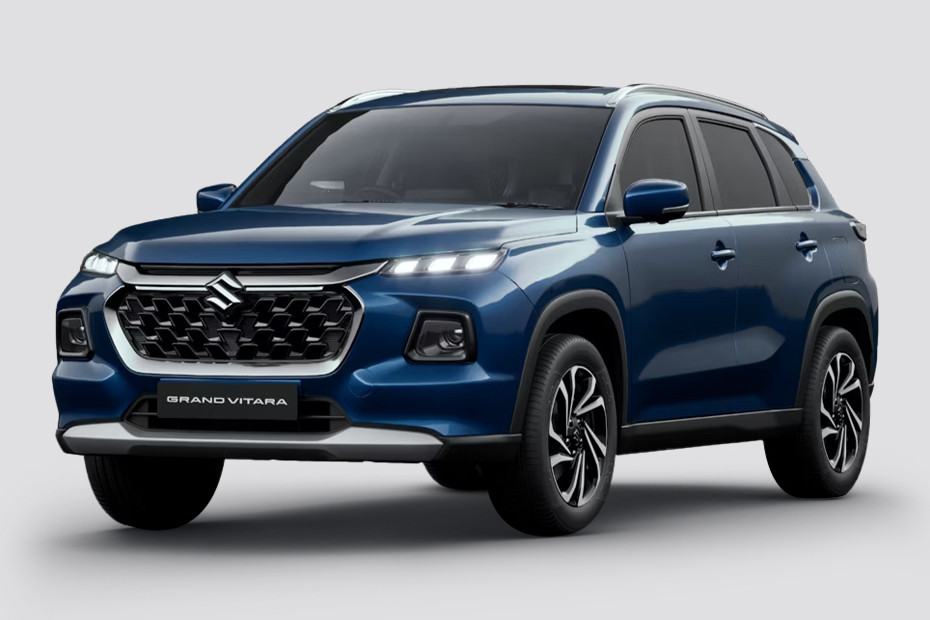
| Maruti Grand Vitara | Strong Hybrid | 12,400 | 27.97 kmpl |
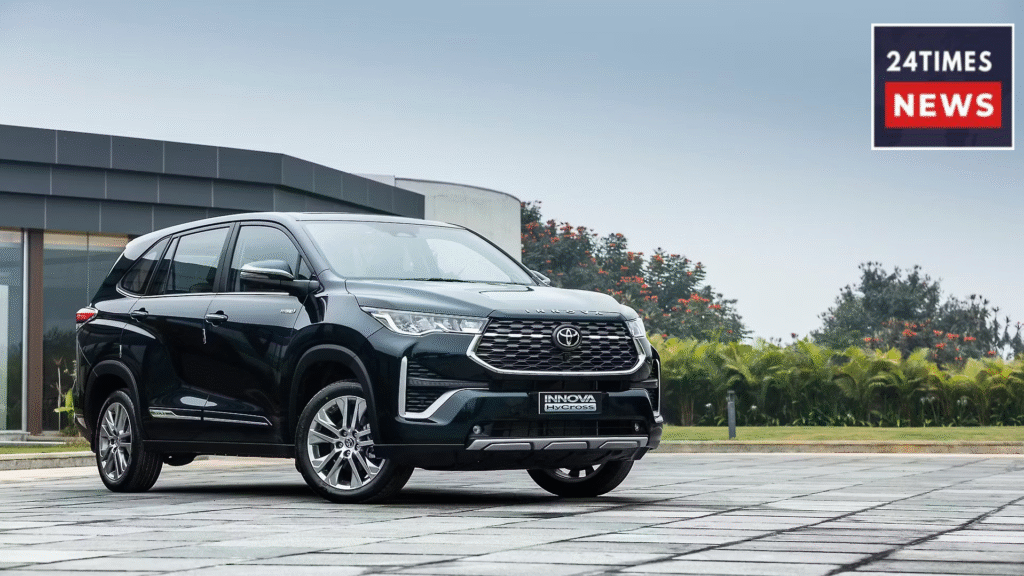
| Toyota Innova Hycross | Strong Hybrid | 9,800 | 23.24 kmpl |
| Toyota Fortuner MHEV | 48V Mild-Hybrid | 3,200 | 14.20 kmpl |
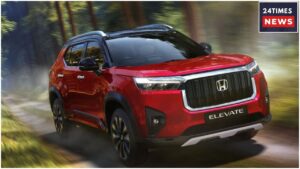
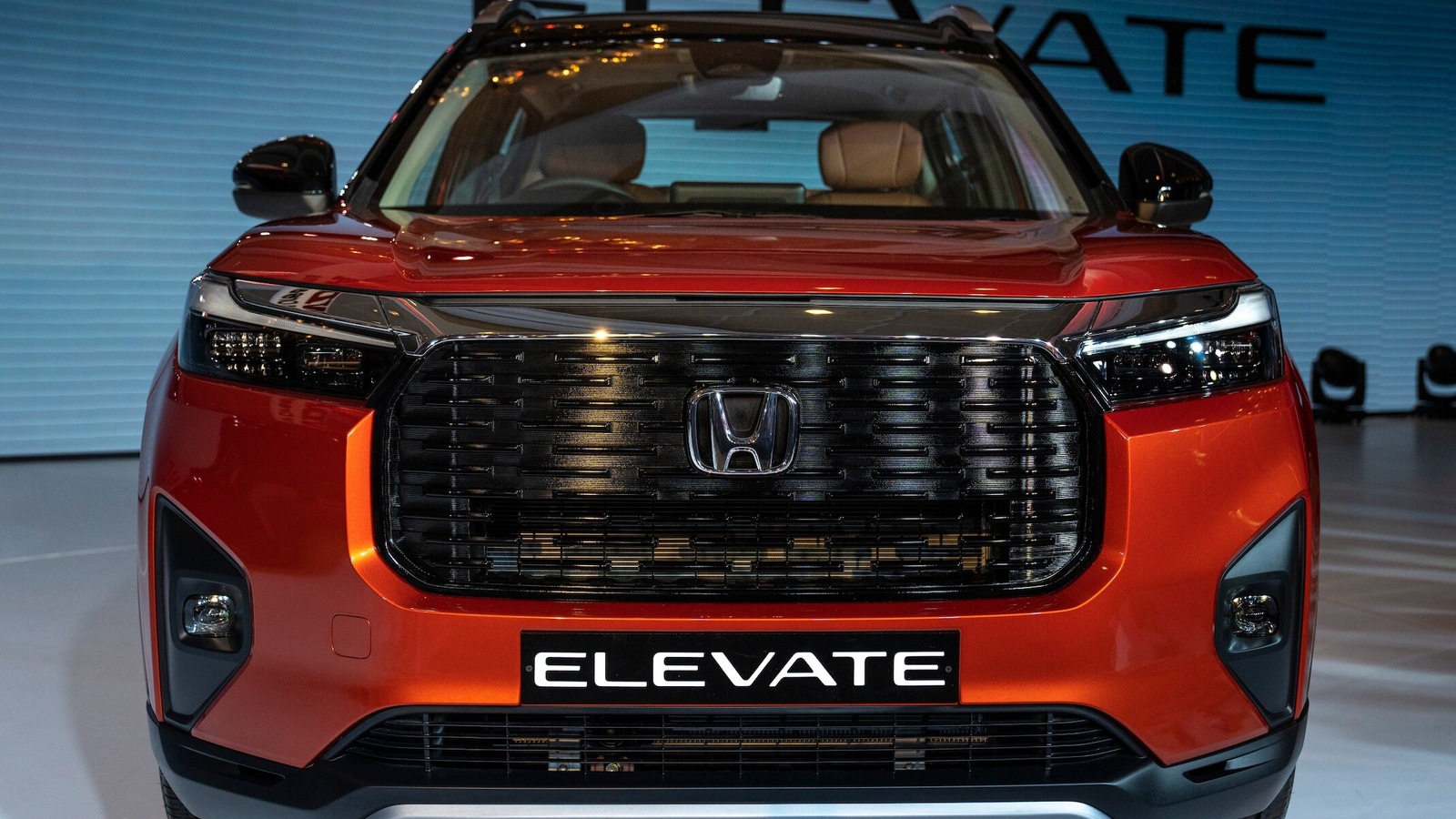
| Honda Elevate e:HEV | Strong Hybrid | 4,100 | 26.50 kmpl |
The Fortuner Change: Big Diesel Turns to Hybrid
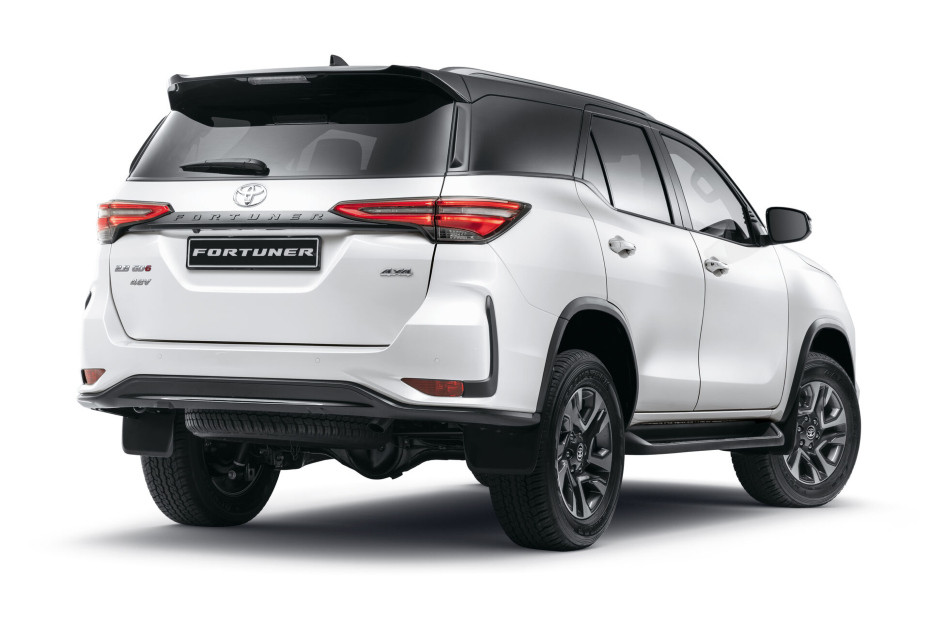
Toyota Fortuner was known for its diesel engines. Now, even Fortuner has changed. Toyota has launched the Fortuner 48V Mild-Hybrid. It still has diesel, but also uses an electric motor as a helper. This small change makes the start and stop smoother and adds extra power when needed. The result is ten percent better mileage, or about 14.2 kilometers per liter. It is not a full hybrid, but it shows that all automakers are moving towards electric.
Waiting Lists Are Getting Longer
Hybrid SUVs are so popular that buyers have to wait months. The demand is more than the supply. If you book a Toyota Innova Hycross today, you might wait seven to nine months. For the Maruti Grand Vitara Alpha+, it is four to five months in Delhi and Mumbai.
Car dealers say people do not want normal petrol cars, even if they are available right away. Buyers are ready to wait for a hybrid because the savings are worth it, month after month, year after year.
Mahindra and Tata Join the Hybrid Race
Until now, Toyota and Maruti have ruled the hybrid market. But now, Mahindra and Tata Motors want to enter this space.
Mahindra is speeding up a hybrid version of the XUV 7XO. They know that pure electric cars are good, but many Indians like long trips and need more charging stations. Tata Motors is testing a range-extender hybrid. This car’s wheels run only on electricity, but a small petrol engine charges the battery.
Experts believe new competition will bring the prices of hybrid SUVs down by ₹1 to ₹1.5 lakh by the end of 2026.
Final Thoughts: The Smarter Choice
It is clear that, as of April 27, 2026, hybrid SUVs are the smart pick for India. Families are saving money, cars are running quietly, and demand is still growing. Diesel SUVs, for now, are moving to the back seat. The Hybrid Revolution is here, and Indian car buyers are driving it forward.