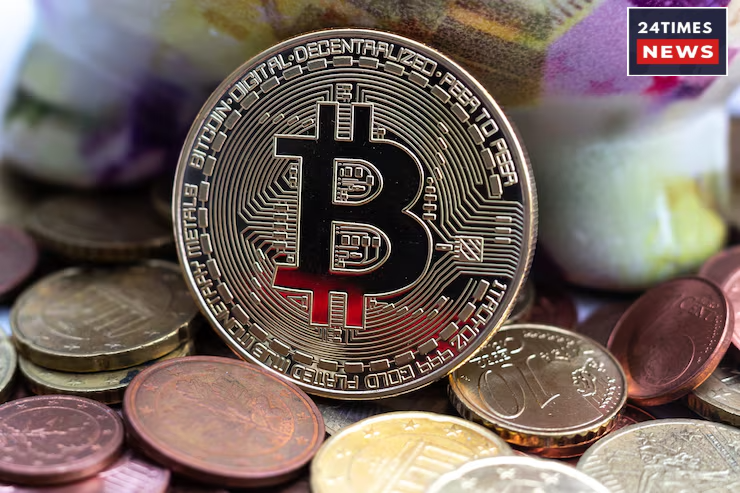

April 19, 2026 – The cryptocurrency world has been anything but dull this weekend. Tensions in the Middle East flared up again, and just like before, Bitcoin felt the heat. On Wednesday, April 17, everything looked calm. Bitcoin powered through resistance, briefly tapping a new high – $78,400, all thanks to a ceasefire deal and promises the Strait of Hormuz would stay open. For a moment, it seemed like maybe things would finally cool off.
But nothing lasts forever in this market. By late Saturday, fresh reports broke: the Strait had shut down again. That news hit crypto traders like a thunderclap. Suddenly, the peaceful optimism vanished, replaced by a wave of panic selling across “risky” assets. Bitcoin prices tumbled, dropping from their $78k peak to just over $75,000 before finding a shaky footing at $76,083 as of Sunday.
Table of Contents

How Geopolitics Hijacked Crypto Prices
People love calling Bitcoin “digital gold,” but honestly, in moments like these, it acts more like a high-flying tech stock than a haven. Here’s what’s really going on:
1. Oil Prices and the Ripple Effect
When the Strait of Hormuz responsible for about a third of global oil shipments, closes, the price of oil doesn’t just rise, it rockets. That makes everything else more expensive, too. So, global inflation jitters go up. Central bankers in Washington see that, and they start holding off on interest rate cuts or, sometimes, even hint at hikes. Higher interest rates drain money away from riskier assets like Bitcoin, so traders start looking for exits.

2. Liquidity Freakouts
Whenever there’s chaos, big investors want cash and fast. That means selling off liquid assets. Bitcoin, for all its wild swings, is one of the easiest things for big players to sell. So, every time there’s a military headline, you see a big red candle on the Bitcoin chart.
3. Uncertainty and Raw Fear
This recent ceasefire wasn’t supposed to end until April 22. But with the Strait closing ahead of schedule, it’s clear the underlying issues aren’t fixed. As a result, the “Fear & Greed Index,” one of crypto’s favorite ways to measure market nerves, spiked higher overnight. When people don’t know what happens next, they tend to sell now and ask questions later.
Key Levels: Where Bitcoin Gained and Lost Ground
Right now, traders are glued to two key price points:
- Resistance: $78,000. This is the wall Bitcoin hit during the ceasefire optimism. Unless those ships start moving again, it’s tough to imagine Bitcoin climbing past this level.
- Support: $74,000–$75,000. If Bitcoin drops under $75k and stays there, many analysts think it’ll open the floodgates for a steeper slide, possibly all the way down to $60,000 or even $63,000 by month’s end.
Crypto on the Front Lines: The Unexpected Side Story
What’s wild is that, on the ground near the Strait, people are actually using crypto in a real, practical way. Mainstream banks can’t operate in the blockade zone, but some reports say smaller transactions for shipping fees and cross-border deals are getting settled in Bitcoin or stablecoins. That’s not nearly enough volume to move the global price, but it’s a reminder that sometimes, when traditional finance freezes, crypto finds a way.

What Happens Next? The Countdown to April 22
So, all eyes are on the next 72 hours. The ceasefire’s original expiration date is just around the corner, and nobody’s quite sure what will come next.
Best Case: If diplomats hash out a new deal and the Strait opens again, Bitcoin could snap right back, maybe even push past $80,000 in a hurry.
Worst Case: If fighting ramps up after April 22, experts warn the markets could go into a “deep correction.” That means more selling and a risk-off mood hitting not just crypto, but global equities as well.
One thing is clear: Crypto is no longer just about code and computers. It’s tightly connected to headlines, geopolitics, and world events. For traders and investors, that means keeping a close eye not just on charts, but on everything happening beyond the screen.