

Health
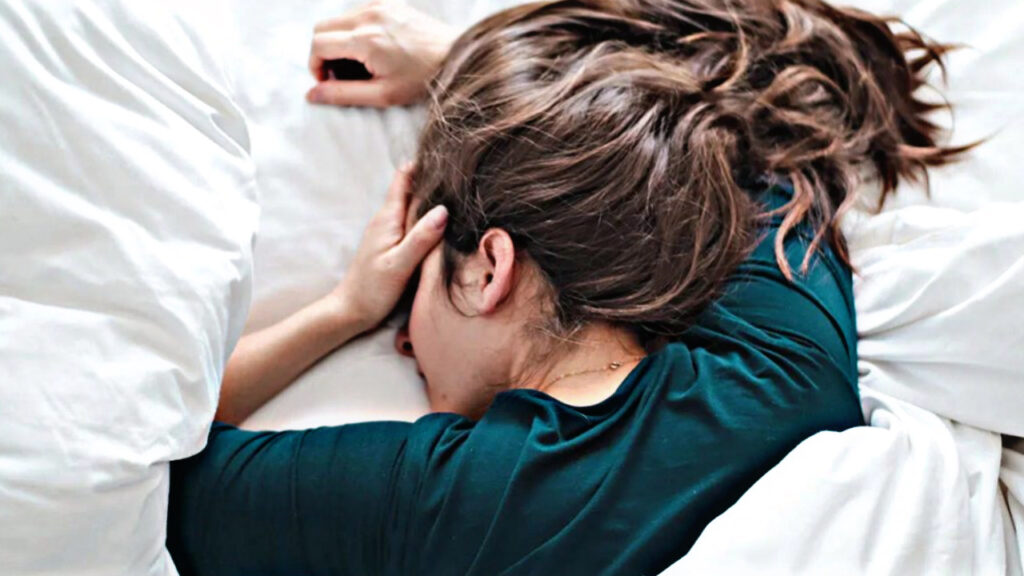
Sleep is essential for the body to function properly. It plays a critical role in maintaining both physical and mental health. However, not all sleep is beneficial. The quality and duration of your sleep can have a significant impact on your overall well-being. Poor sleep or “kharaab neend” (bad sleep) can lead to numerous health problems that may affect your daily life, productivity, and quality of life.
The Importance of Proper Sleep
A good night’s sleep helps the body and mind recharge, repair, and rejuvenate. Adults typically need around 7-9 hours of sleep each night to feel rested and restored. During sleep, various biological processes take place, including the consolidation of memories, tissue repair, and the regulation of hormones. However, when sleep is disturbed or inadequate, it can lead to various health issues, both short-term and long-term.
1. Increased Risk of Heart Disease
One of the most serious consequences of poor sleep is its impact on heart health. Studies have shown that chronic sleep deprivation can increase the risk of developing heart disease. During sleep, the body undergoes processes that help lower blood pressure and reduce inflammation. Insufficient sleep can cause high blood pressure, increased stress hormone levels, and irregular heart rhythms, all of which are risk factors for heart disease.

2. Diabetes and Weight Gain
Poor sleep is also linked to a higher risk of developing type 2 diabetes. Sleep deprivation can interfere with the body’s ability to process glucose effectively, leading to insulin resistance. This, in turn, can cause elevated blood sugar levels. Additionally, lack of sleep affects hunger-regulating hormones, such as ghrelin and leptin, causing an increase in appetite, especially for high-calorie foods. This can lead to overeating and weight gain, further increasing the risk of diabetes.
3. Mental Health Disorders
Sleep problems are closely associated with mental health disorders, particularly depression and anxiety. Chronic sleep deprivation can lead to mood swings, irritability, and difficulty concentrating. It can also impair the brain’s ability to cope with stress, exacerbating feelings of anxiety and sadness. Long-term sleep issues can trigger or worsen mental health conditions, making it more difficult to manage stress and emotions effectively.
4. Weakened Immune System
A lack of proper sleep can weaken the immune system, making the body more susceptible to infections. During sleep, the immune system releases cytokines, which help combat infections and inflammation. Sleep deprivation reduces the production of these essential immune cells, making it harder for the body to fight off illnesses like colds, flu, and other infections. Chronic sleep deprivation may also increase the severity and duration of illnesses.
5. Cognitive Impairment and Memory Loss
Sleep is crucial for cognitive function, including memory consolidation, learning, and problem-solving. When sleep is inadequate, the brain cannot process information effectively, leading to difficulty concentrating, reduced alertness, and memory problems. Over time, chronic sleep deprivation can impair long-term memory and cognitive performance, increasing the risk of developing conditions such as Alzheimer’s disease or other forms of dementia.
6. Reduced Physical Performance
Lack of sleep can affect your physical performance and stamina. During sleep, the body recovers from physical exertion, and muscle repair takes place. Without enough sleep, muscles do not fully recover, which can lead to fatigue, reduced endurance, and poor performance in physical activities. Athletes or individuals with physically demanding jobs are especially vulnerable to the consequences of sleep deprivation.
7. Higher Risk of Accidents
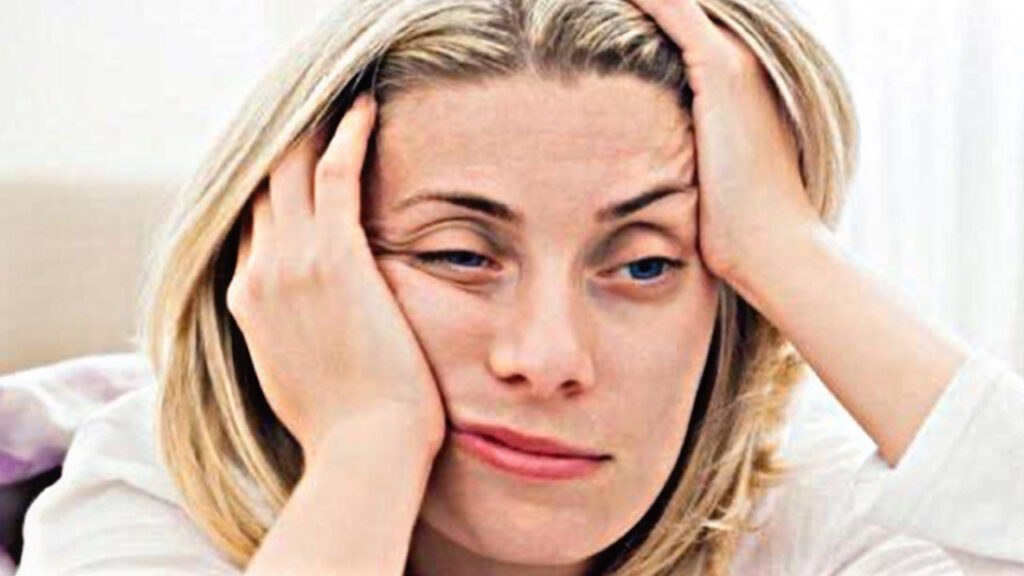
Sleep deprivation affects reaction time, coordination, and judgment, increasing the likelihood of accidents. People who don’t get enough sleep are more prone to falling asleep while driving or operating heavy machinery, putting themselves and others at risk. In fact, studies have shown that sleep-deprived individuals are as impaired as those under the influence of alcohol.
Proper sleep is vital for overall health and well-being. Sleep deprivation or poor-quality sleep, on the other hand, can lead to a variety of serious health issues, ranging from heart disease and diabetes to mental health disorders and cognitive decline. It is essential to prioritize good sleep hygiene such as maintaining a regular sleep schedule, creating a comfortable sleep environment, and avoiding stimulants before bedtime to promote restful and rejuvenating sleep. By understanding the consequences of poor sleep, we can take proactive steps to improve our sleep habits and, in turn, protect our health.