
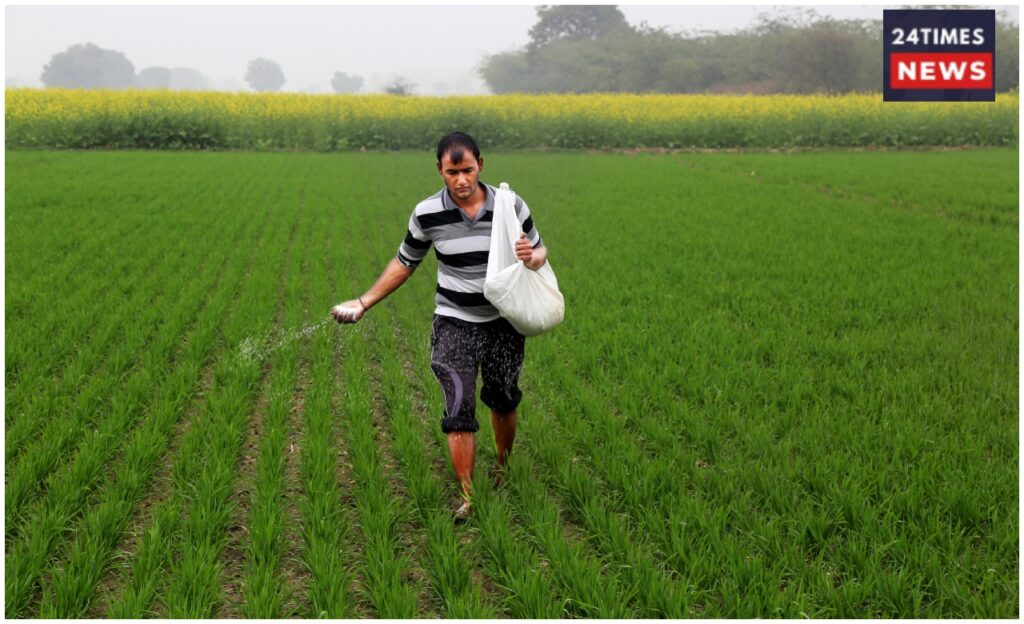
Rabi Crop Sowing 2026: Although the monsoon has retreated from across the country, cyclonic rains continue in several regions. Meanwhile, the sowing season for Rabi crops is underway. In many parts of the country, fields have become waterlogged, making the sowing of Rabi crops a challenging task. If your field is waterlogged and you are unable to prepare it for wheat cultivation, do not worry.
We will share an effective method that will allow you to sow your Rabi crops with ease. Once the field is ready for sowing, farmers can proceed with crops like wheat, mustard, chickpeas, and peas without any hassle. You simply need to plan your preparations by keeping the weather conditions in mind.
What should you do before sowing?
If rainwater has remained in your field for an extended period without drying, it leads to a lack of aeration in the soil. In such conditions, plant roots cannot “breathe” properly, which can negatively impact crop growth. Therefore, it is essential to drain any excess water from the field before sowing.
To address this, create drainage channels along the edges of your field to allow the accumulated water to flow out. After draining the water, let the field dry for a while until the soil reaches a state where it can be easily tilled and sown. Note that operating a tractor or tilling the soil while it is still wet can cause it to become compacted and hard.
How to sow wheat
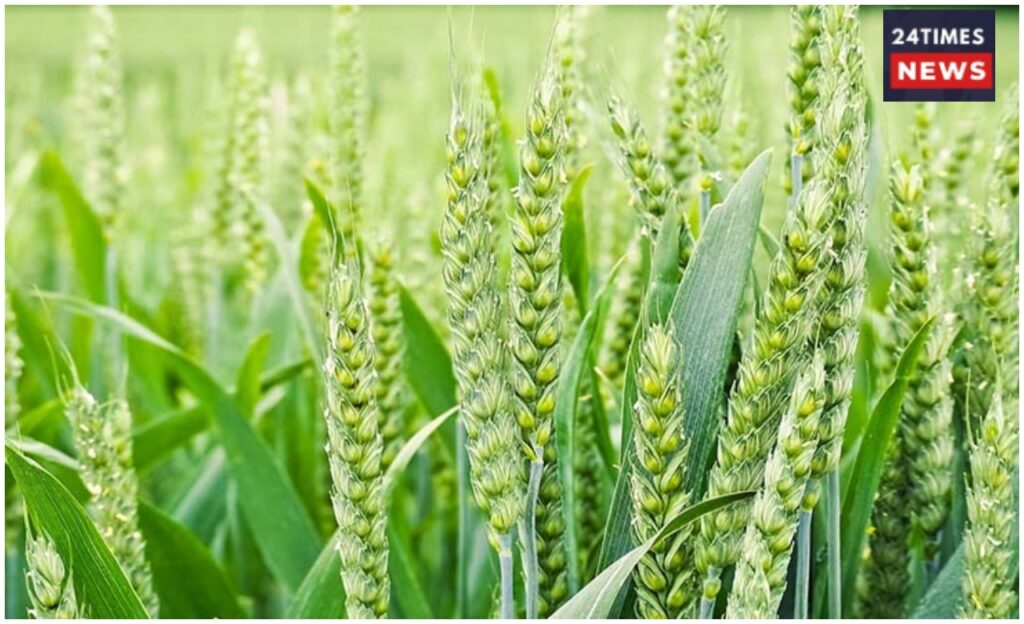
Once the rainwater has been drained and the soil retains the appropriate level of moisture, farmers can proceed with wheat sowing. Wheat is the primary Rabi crop in North India; therefore, avoid any significant delays in sowing. Consult your local Krishi Vigyan Kendra (Agricultural Science Centre) to determine the optimal timing and the most suitable crop varieties for your specific region. If water stagnation remains an issue, ensure that proper drainage is established first.
Sowing the Mustard Crop
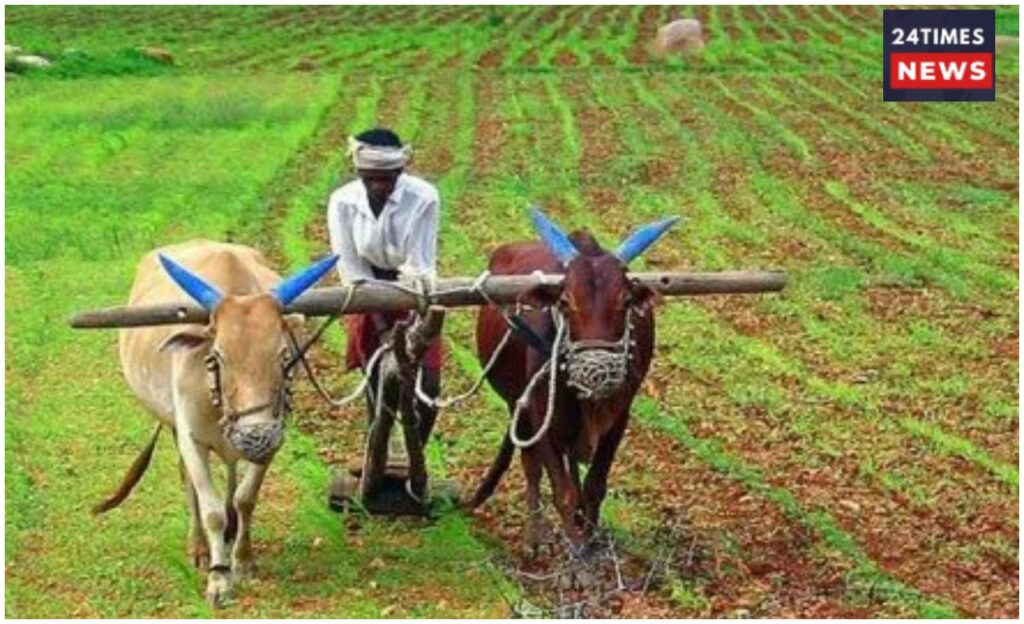
Did you know that mustard is an excellent option for farmers among the Rabi crops that require less water? It can be easily sown in well-drained soil. However, if water tends to stagnate in the field for long periods, the land must be prepared properly before sowing mustard. Planting seeds in waterlogged soil can negatively affect germination and plant growth.
Farmers Can Also Grow Chickpeas and Peas
Depending on the soil type and local weather conditions, farmers can also consider sowing crops like chickpeas, peas, and barley. Chickpeas thrive best in land where water does not stagnate. For peas, ensuring proper drainage is also crucial, as excess water can adversely affect the yield. Barley is another crop grown during the Rabi season. Before sowing these crops, consult an agricultural expert in your district to get information about the most suitable varieties and the optimal time for sowing.